Advanced interlink wire fence Solutions for Kenya Infrastructure

High-performance fencing machinery and materials engineered for the challenging terrains and industrial requirements of the East African market.

Advanced interlink wire fence Solutions for Kenya Infrastructure

Providing heavy-duty wire mesh production technology and durable fencing systems specifically designed to withstand Kenya's diverse climatic conditions, from the coastal humidity to the highland terrains.

The State of Fencing Manufacturing in Kenya

Analyzing the demand for durable perimeter security in the East African hub.

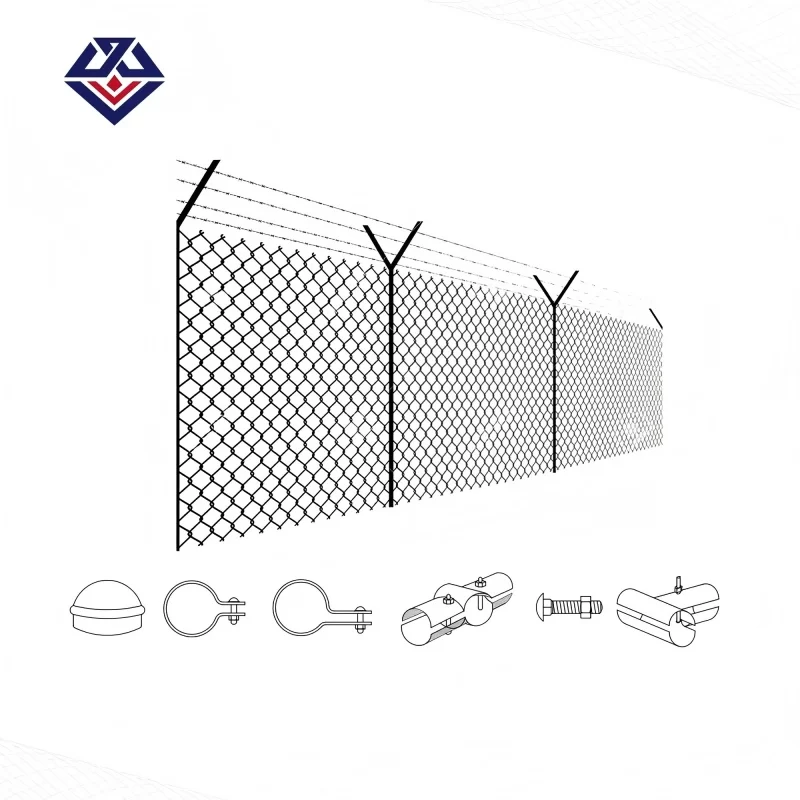
In Kenya, the demand for perimeter security is driven by rapid urbanization in Nairobi and the extensive agricultural sectors in the Rift Valley. Currently, the market relies heavily on iron chain link fence options to protect commercial assets and livestock, though corrosion remains a significant challenge due to varying soil acidity and coastal salinity.

The economic landscape has led to a critical focus on gi wire fencing cost, as local contractors seek a balance between long-term durability and initial capital expenditure. The shift toward galvanized industrial standards is evident as the construction of Special Economic Zones (SEZs) increases the need for professional-grade boundaries.

Furthermore, the regional climate—characterized by intense UV exposure and seasonal heavy rains—demands materials that can resist structural fatigue. This has pushed the local manufacturing sector to upgrade from manual weaving to automated machinery to ensure consistent gauge and tension across large-scale installations.
Evolution of Wire Mesh Technology in East Africa

From artisanal weaving to high-precision automated manufacturing.

Market Development History

Between 1990 and 2005, the Kenyan fencing market was dominated by manual production and imported low-grade materials, where simple garden chain link fence types were common for residential use but lacked industrial longevity.

From 2006 to 2015, the introduction of semi-automated weaving machines allowed for the mass production of galvanized wires. This era saw a surge in the adoption of standardized GI (Galvanized Iron) coatings to combat the humid climate of Mombasa and Kisumu.

Since 2016, the integration of CNC-controlled machinery has enabled the production of high-tensile interlink wire fence systems, providing superior stability for mining and metallurgical sites throughout the region.

Future Development Trends

Automated Precision Weaving

The transition toward fully automated production lines will reduce human error and lower the unit cost of high-security mesh.

Advanced Anti-Corrosive Coatings

Moving beyond standard galvanization to Zn-Al alloy coatings to extend the lifecycle of fences in high-salinity coastal areas.

Smart Integration

Integration of sensor-based security systems into the physical wire structure for real-time perimeter monitoring in industrial zones.

Industry Trends and Future Outlook

Predicting the trajectory of construction machinery and fencing materials for 2025-2030.

High-Tensile Material Shift
Increased adoption of high-carbon steel to reduce the number of support posts required for large perimeters.
Cost Optimization Logic
Using AI-driven estimation tools to calculate precise gi wire fencing cost based on site topography.
Modular Gate Engineering
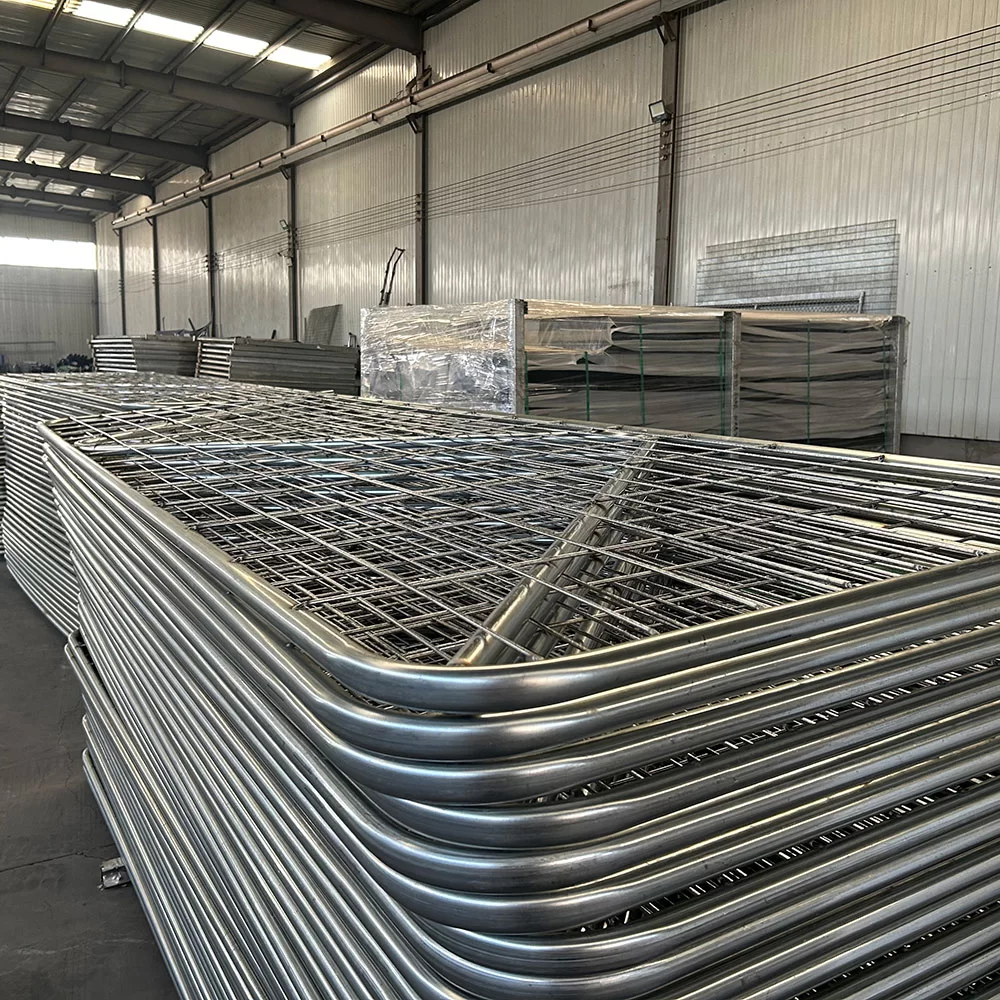
Development of prefabricated large chain link fence gate units for rapid industrial deployment.
Eco-Friendly Production
Implementing closed-loop water systems in the galvanizing process to meet Kenyan environmental standards.

Industry Outlook

Based on Google search trends in East Africa, there is a rising interest in "industrial security" and "long-term fencing durability." We expect a 15% annual increase in the demand for high-grade galvanization machinery as Kenya's mining sector expands in the northern regions.

The future will see a convergence of mechanical strength and digital monitoring, where the physical iron chain link fence acts as the primary deterrent, supplemented by smart sensors and reinforced automated gates for high-security facilities.

Localized Applications in Kenya

Tailored fencing solutions for the unique geographical and economic needs of Kenya.

1. Agricultural Protection in Rift Valley

Deploying durable mesh to protect high-value crops and livestock from wildlife intrusion, focusing on stability and weather resistance.

2. Industrial Zoning in Nairobi

Utilizing high-security interlink wire fence systems for warehouse complexes and logistics hubs to prevent unauthorized access.

3. Coastal Port Security in Mombasa

Implementing heavy-duty galvanized coatings to resist the corrosive salt air, ensuring long-term structural integrity of port perimeters.

4. Residential Land Demarcation

Providing affordable and aesthetic garden chain link fence solutions for urban housing projects in expanding satellite towns.

5. Mining Site Access Control

Installing reinforced large chain link fence gate systems to manage heavy machinery flow at mining and quarry sites.

Brand Story

Global Development History of Anping Cowan Machinery Manufacturing Co., Ltd.

Industrial Foundations

Established in the heart of China's wire mesh capital, Cowan began by solving the problem of inconsistent wire tension in manual weaving.

Technological Breakthrough

Developed the first series of automated chain link machines that significantly reduced material waste for global manufacturers.

Global Market Entry

Expanded into the African market, adapting machinery to handle the diverse raw material grades found in emerging economies.

Quality Certification

Achieved international ISO standards, ensuring that every piece of machinery exported meets strict safety and durability criteria.

Commitment to Kenya

Focused on providing end-to-end technical support to Kenyan manufacturers to build a sustainable local fencing industry.

Comprehensive Fencing Product Portfolio for Kenya

From lightweight residential mesh to heavy-industrial perimeter security systems.

Common Questions in the Kenyan Market

Expert answers to technical and commercial queries regarding wire fencing.

How is the gi wire fencing cost calculated for large projects in Kenya?

The cost is primarily determined by the wire gauge (thickness), the zinc coating weight (gsm), the mesh aperture size, and the total linear footage of the perimeter.

What is the best interlink wire fence for livestock in the Rift Valley?

For livestock, we recommend high-tensile galvanized interlink systems with a tighter weave to prevent animal penetration while maintaining structural flexibility.

Can an iron chain link fence withstand coastal humidity in Mombasa?

Standard iron will rust quickly; however, our hot-dipped galvanized iron chain link fences are specifically treated to resist salt-spray corrosion.

How do I choose the right garden chain link fence for residential use?

Focus on a balance of visibility and security. A medium-gauge galvanized wire provides sufficient boundary definition without obstructing the view.

What are the installation requirements for a large chain link fence gate?

Large gates require reinforced concrete footings and heavy-duty steel hinges to prevent sagging over time due to the weight of the mesh.

Which machinery is best for producing high-quality mesh in Kenya?

Our CNC-automated weaving machines are ideal, as they ensure uniform mesh size and reduce labor costs, increasing overall profitability.

Ready to Upgrade Your Infrastructure?

Contact our technical experts today for tailored fencing machinery and material solutions in Kenya.

Contact Us Now

If you are interested in our products, you can choose to leave your information here, and we will be in touch with you shortly.