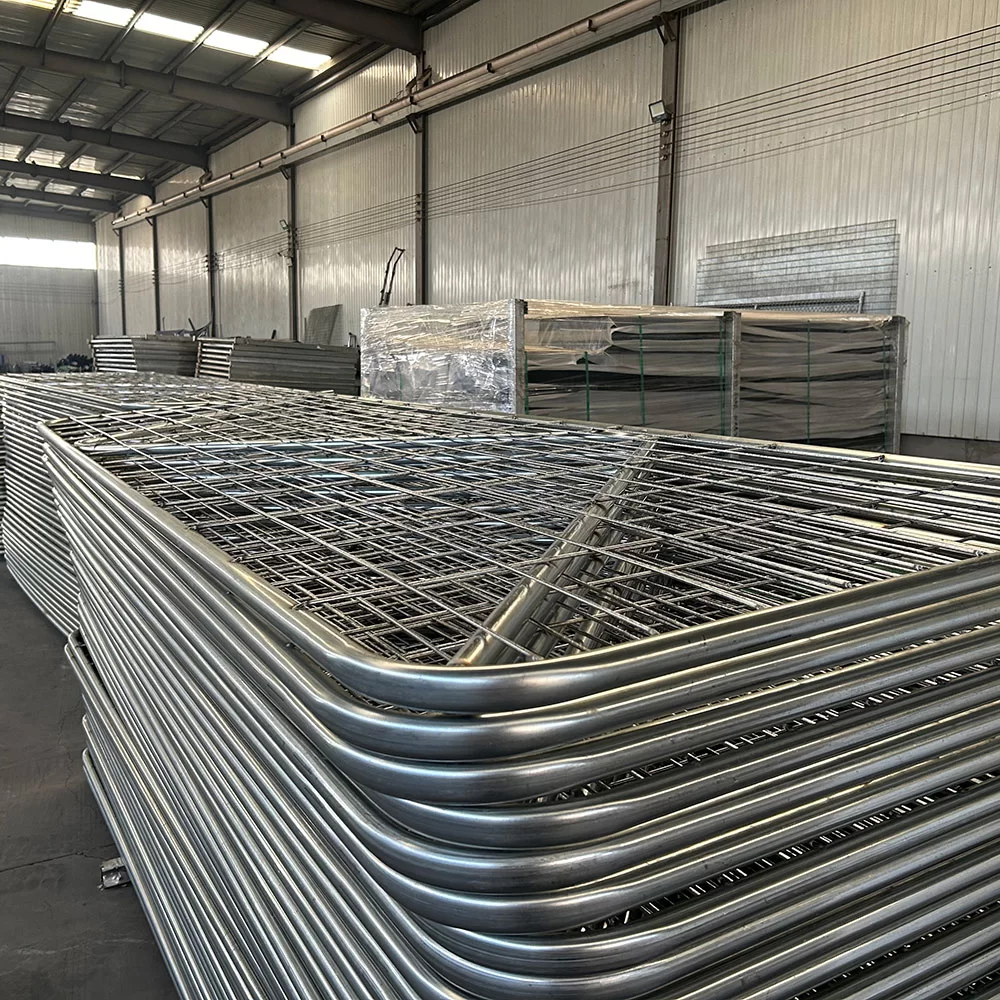
Advanced interlink wire fence Solutions for UK Infrastructure

High-performance industrial fencing machinery and materials engineered for the rigorous climate and architectural standards of the United Kingdom.

Advanced interlink wire fence Solutions for UK Infrastructure

Providing the United Kingdom's construction and mining sectors with precision-engineered wire fencing systems that combine structural integrity with long-term corrosion resistance.

The State of Fencing Manufacturing in the United Kingdom

Analyzing the intersection of maritime climate challenges and industrial security requirements.

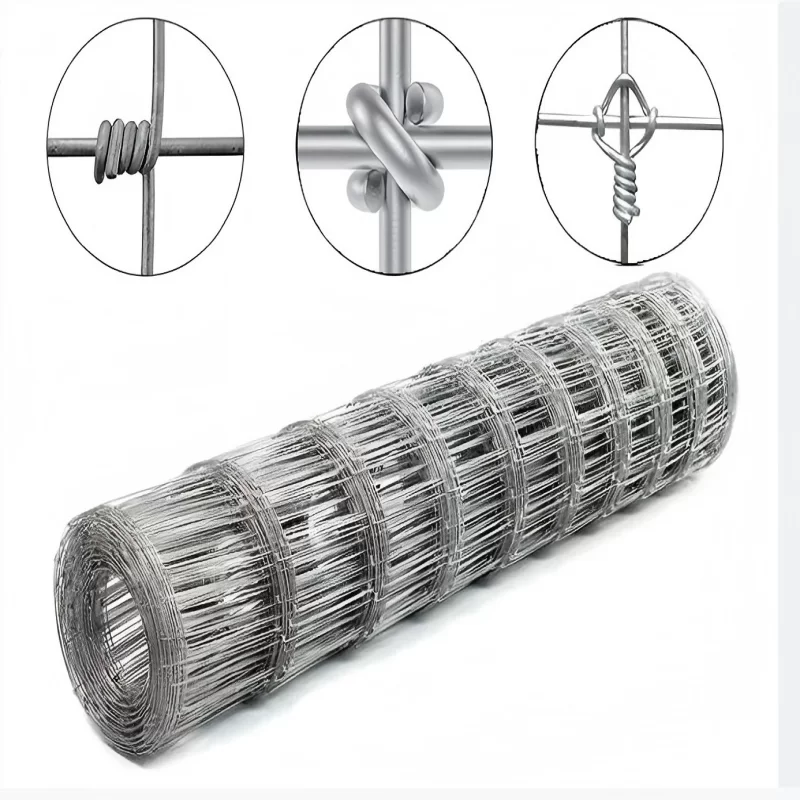
The UK market is characterized by a high demand for weather-resistant materials due to the pervasive humidity and salt-mist in coastal regions. This has led to a shift where the gi wire fencing cost is now weighed heavily against the lifecycle value of galvanized coatings, as standard mild steel fails rapidly under British weather conditions.

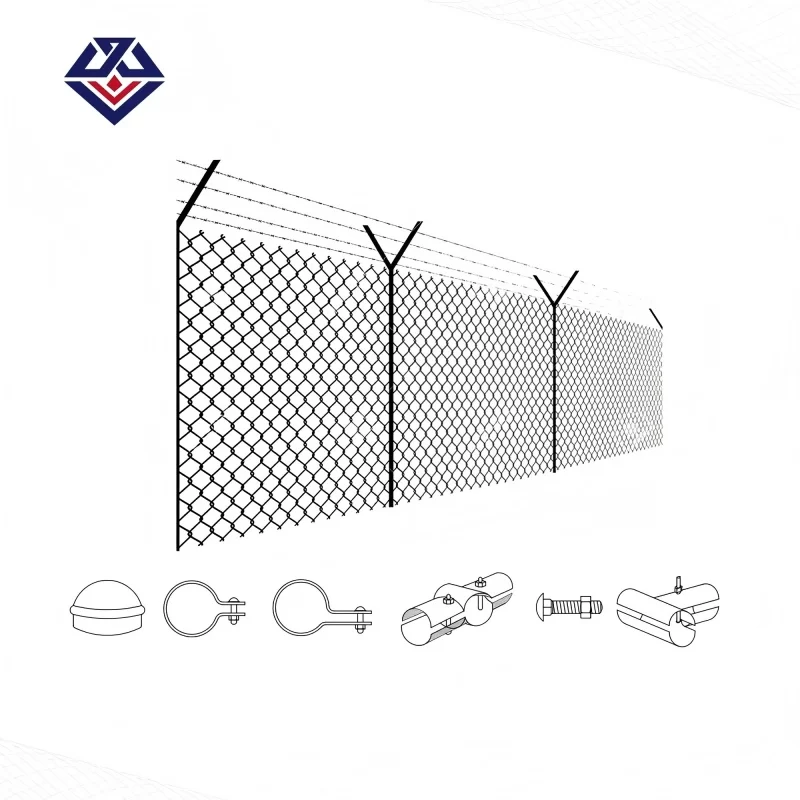
In the specialized equipment sector, there is a growing movement toward automation in the production of iron chain link fence systems. UK contractors are moving away from manual weaving toward machine-precision interlocking to ensure consistent tension and security for critical infrastructure projects.

Current market trends show a surge in sustainable procurement. Manufacturing plants are now integrating recycled steel and low-emission galvanizing processes to meet the UK's stringent Net Zero targets, ensuring that industrial boundary solutions are both durable and ecologically responsible.
Evolution of Wire Mesh Technology in the UK

From traditional manual weaving to AI-driven automated production lines.

Market Development History

In the early 20th century, UK fencing relied heavily on manual craftsmanship, producing basic iron barriers. The introduction of hot-dip galvanizing in the mid-century revolutionized the industry, significantly reducing the frequency of replacements in agricultural and mining sites.

By the 1990s, the transition to semi-automated weaving machines allowed for the mass production of the garden chain link fence, bringing industrial-grade security to residential and small-scale commercial landscaping across the British Isles.

Entering the 2010s, the focus shifted toward specialized machinery that could handle high-tensile wires, enabling the creation of high-security barriers with smaller footprints but increased resistance to cutting and impact.

Future Development Trends

Smart-Integrated Fencing

Integrating fiber-optic sensors into the weave of the fence to provide real-time intrusion alerts for UK high-security sites.

Nano-Coating Technology

Moving beyond standard galvanization to graphene-based coatings that offer 10x the corrosion resistance in humid UK environments.

Robotic Installation Systems

Development of automated tensioning machines to ensure perfectly aligned boundaries for large chain link fence gate installations.

Industrial Outlook and Future Projections

Strategic forecasting for the specialized machinery and fencing sector in the UK.

Automation Integration
Increased adoption of PLC-controlled weaving machines to reduce labor costs in UK manufacturing.
Material Sustainability
Shift toward green-steel and low-VOC powder coatings to align with British environmental laws.
Customization Demand
Growing need for bespoke mesh sizes for specialized architectural projects in London and Manchester.
Supply Chain Resilience
Localized production of high-tensile wire to mitigate import volatility post-Brexit.

Industry Outlook

Based on current Google search trends in the UK, there is a marked increase in queries regarding "long-term durability" and "low maintenance" fencing. This suggests that the market is moving from a price-driven model to a value-driven model, where the total cost of ownership (TCO) is the primary decision factor.

We anticipate that the integration of BIM (Building Information Modeling) into fencing design will become standard for UK construction, requiring manufacturers to provide precise digital twins of their mesh products for seamless integration into large-scale urban developments.

Local Application Scenarios in the United Kingdom

Real-world deployment of professional fencing solutions across diverse UK sectors.

1. Industrial Estate Perimeters in the Midlands

Deployment of heavy-duty galvanized systems to secure large warehouses, focusing on high-tension stability to prevent sagging under heavy wind loads.

2. Residential Garden Security in South East England

Utilization of the garden chain link fence for unobtrusive yet effective boundary marking in suburban areas, prioritizing aesthetics and pet safety.

3. Mining and Quarry Site Safety in Wales

Installation of reinforced iron chain link fence barriers to prevent unauthorized access to hazardous mining zones, emphasizing high impact resistance.

4. Logistics Hub Access Control

Implementation of a large chain link fence gate for HGV access, designed for high-frequency operation and extreme durability.

5. Agricultural Livestock Containment in Scotland

Application of weather-hardened interlink systems designed to withstand the Highland climate while maintaining structural integrity against livestock pressure.

Brand Story

Global Development History of Anping Kewang Machinery Manufacturing Co., Ltd.

Foundational Precision

Established with a focus on the core mechanics of wire weaving, Kewang began by solving the inconsistency issues in traditional fence production.

Technological Breakthrough

Developed proprietary automated weaving technology that allowed for variable mesh sizes, catering to the diverse needs of the global construction market.

Global Expansion

Expanded operations into the European market, adapting machinery to meet the strict ISO and BS (British Standards) requirements for safety and quality.

Innovation Leadership

Pioneered the integration of high-tensile alloys in machinery, enabling the production of fences that are 30% lighter yet 50% stronger.

Sustainable Future

Committed to "Green Manufacturing," investing in energy-efficient production lines to help clients achieve sustainability goals worldwide.

Comprehensive Fencing Portfolio for the UK Market

A curated selection of machinery and materials designed for British industrial and residential standards.

UK Industrial Fencing FAQs

Expert answers to the most common technical and commercial queries in the UK region.

How is the gi wire fencing cost calculated for large-scale UK projects?

Costs are determined by wire gauge, zinc coating thickness (GSM), and the total linear meterage, adjusted for current LME steel prices and UK shipping logistics.

What is the best alternative to a standard iron chain link fence for coastal areas?

For coastal environments, we recommend PVC-coated galvanized steel or stainless steel interlink systems to prevent salt-spray corrosion.

Are there specific BS standards for a garden chain link fence in residential zones?

Yes, installations should adhere to local planning permissions and BS EN 10223 standards regarding wire dimensions and coating quality.

How long does a large chain link fence gate typically last in the UK climate?

With hot-dip galvanization and regular hinge maintenance, industrial gates typically last 15-25 years before requiring significant refurbishment.

What are the advantages of an interlink wire fence over welded mesh?

Interlink systems offer superior flexibility and impact absorption, making them ideal for uneven UK terrains where welded mesh might crack.

Can your machinery produce customized mesh for UK architectural projects?

Absolutely. Our advanced machinery allows for precise adjustments in aperture size and wire diameter to meet bespoke architectural specifications.

Get Your Expert Consultation Today

Contact our technical team for high-performance fencing solutions tailored to the United Kingdom market.

Contact Us Now

If you are interested in our products, you can choose to leave your information here, and we will be in touch with you shortly.