When searching for a reliable chain link fence co, property owners often look for a balance between uncompromising security and modern aesthetics. The evolution of perimeter protection has led to the rise of 3D welded mesh systems, which offer a sophisticated alternative to traditional fencing by combining high-strength steel with a three-dimensional structural design.
In today's global industrial landscape, the demand for durable boundary solutions is surging. Whether it is securing a high-tech warehouse, a municipal park, or a livestock enclosure, the objective remains the same: creating a barrier that resists deformation and environmental decay while remaining cost-effective to install and maintain.
Understanding the technical advantages of modern 3D fencing allows stakeholders to make informed decisions that enhance property value and safety. By integrating corrosion-resistant coatings and modular assembly, the contemporary chain link fence co approach ensures that security infrastructure is not just a wall, but a long-term investment in asset protection.

The Evolution of 3D Welded Mesh in the Modern Fence Co Landscape
The transition from traditional flat wire grids to 3D welded panels represents a significant leap in structural engineering. A professional chain link fence co now focuses on the "V-bend" or three-dimensional fold, which dramatically increases the rigidity of the steel wire. This design prevents the panels from sagging or bending under pressure, providing a level of stability that is unattainable with standard linear mesh.
Beyond mere strength, the aesthetic evolution of 3D fencing has made it a preferred choice for urban planning. The clean lines and professional finish offer a "transparent" security feel—allowing visibility for surveillance while maintaining a formidable physical barrier. This dual-purpose functionality ensures that safety does not come at the cost of visual appeal.
Core Components of High-Strength 3D Fencing Systems
At the heart of a high-performance 3D fence is the high-quality steel wire. The strength of the system is determined by the wire thickness and the precision of the welding points. Unlike woven fences, the welded joints in 3D panels are fused under high heat, ensuring that the mesh spacing remains constant even when subjected to external impact or force.
Supporting these panels is a robust post-and-bracket system. The modular nature of the installation allows panels to be securely mounted to posts using specialized brackets, which minimizes the need for extensive on-site welding. This engineering choice not only speeds up the deployment process but also allows for easier relocation or expansion as the facility grows.
Customization serves as a final core component. By adjusting mesh spacing, panel height, and wire gauge, a chain link fence co can tailor a solution that specifically addresses the risk profile of a site—whether that means tighter gaps to prevent small animal intrusion or reinforced wire for high-traffic industrial zones.
Durability and Corrosion Resistance Standards
Environmental exposure is the primary enemy of steel infrastructure. To combat this, leading manufacturers utilize a multi-layered coating approach. The first line of defense is typically hot-dip galvanization, which creates a metallurgical bond between the zinc and the steel, preventing rust from penetrating the core.
For enhanced longevity, an additional layer of PVC or powder coating is applied. This not only allows the chain link fence co to provide a variety of colors for aesthetic integration but also protects the fence from UV exposure, acid rain, and saltwater humidity, making it ideal for coastal or heavy-industrial environments.
This combination of galvanization and polymer coating ensures that the 3D fence remains maintenance-free for years. The result is a security barrier that does not flake, peel, or corrode, maintaining its structural integrity and professional appearance regardless of the weather conditions.
Efficiency Analysis of Modular Installation Methods
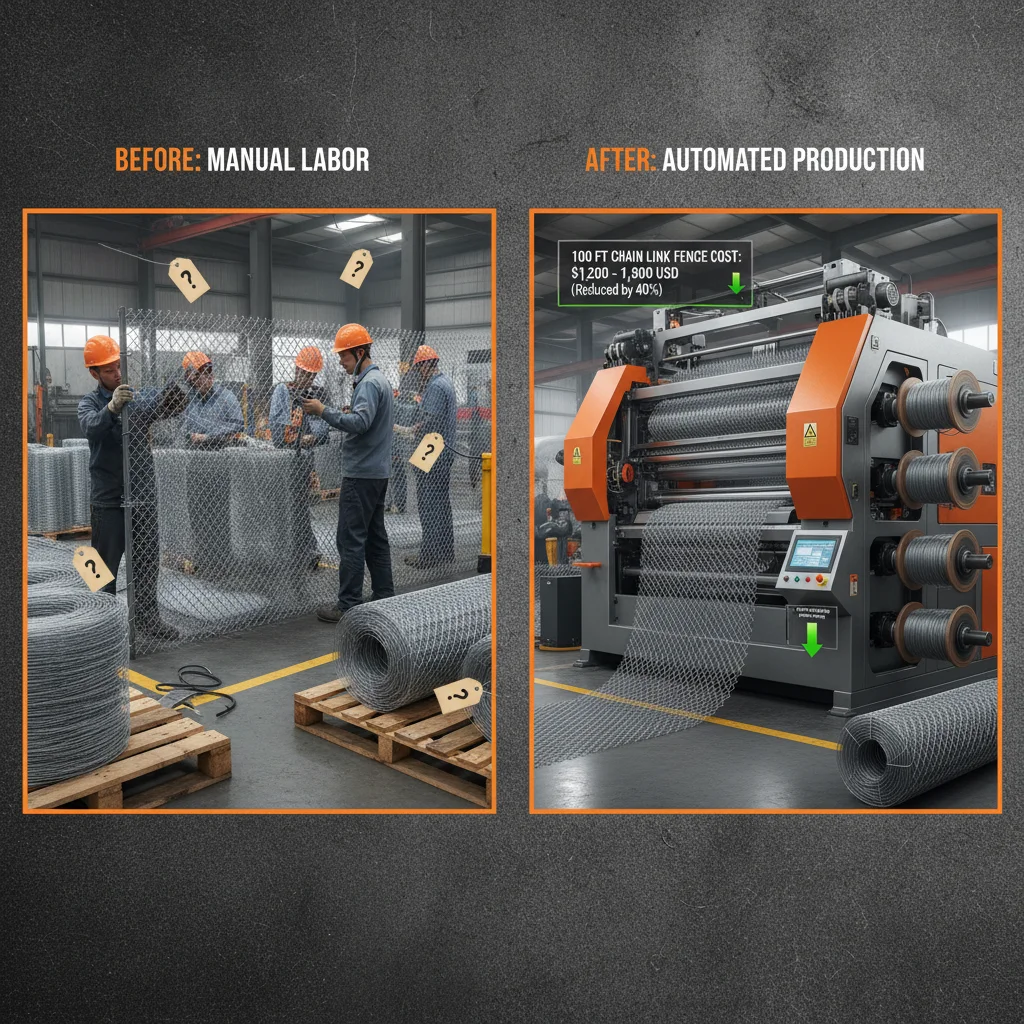
One of the most compelling arguments for choosing 3D welded panels is the efficiency of the installation process. Because the panels are pre-fabricated to precise specifications, the on-site labor is reduced to basic assembly. This modularity allows project managers to predict timelines with high accuracy, reducing the overhead costs associated with long-term construction.
The ability to quickly disassemble and relocate panels provides an added layer of flexibility for temporary security needs or changing site layouts. When compared to traditional cast-in-place or woven systems, the 3D approach offered by a modern chain link fence co optimizes both time and labor resources.
Comparative Performance of Fencing Methods
Versatile Applications Across Residential and Industrial Sectors
In residential settings, 3D fences are increasingly used to secure gardens, yards, and playgrounds. Unlike oppressive solid walls, the open mesh allows for natural light and airflow while providing a definitive boundary that protects children and pets. The availability of custom colors ensures the fence blends seamlessly with the home's architecture.
Industrial and commercial applications demand a higher level of rigor. For warehouses, factories, and logistics centers, the 3D welded design provides a deterrent against unauthorized access while allowing security personnel to maintain a clear line of sight across the perimeter. This makes it a superior choice for facilities that require high visibility for surveillance cameras.
Long-Term Value and Low Maintenance Benefits
When calculating the total cost of ownership, 3D fencing proves to be more economical than traditional options. The primary value lies in the reduction of recurring maintenance. While wooden fences rot and standard iron fences require frequent painting to avoid rust, the PVC-coated 3D panels essentially maintain themselves.
The structural rigidity provided by the welded design also means fewer repairs over time. These fences do not stretch or sag, which is a common failure point in traditional chain link fence co products. This stability ensures that the perimeter remains secure without the need for constant tensioning or patching.
Furthermore, the modularity allows for "targeted upgrades." If a specific section of the fence is damaged due to an accidental impact, only that single panel needs to be replaced rather than the entire run. This surgical approach to maintenance significantly lowers the long-term operational expenditure.
Strategic Selection Criteria for Security Fencing
Choosing the right fencing system requires an analysis of the specific site threats and environmental conditions. For those engaging a chain link fence co, the first consideration should be the required height and wire thickness. A residential garden requires different specifications than a high-security industrial warehouse.
Secondly, the coating choice must align with the local climate. In high-humidity or coastal areas, hot-dip galvanization is non-negotiable. For areas with high UV exposure, a high-grade powder coating is recommended to prevent color fading and material brittleness over time.
Finally, the balance between security and visibility must be weighed. While tighter mesh spacing increases security, it may obstruct the view. The modular nature of 3D fencing allows for a hybrid approach, where high-security panels are used at entry points and more open panels are used along the main perimeter.
Core Comparison of 3D Fencing Specifications
| Application Type | Recommended Wire Gauge | Coating Standard | Security Rating |
|---|
| Residential Garden | 3.0mm - 4.0mm | PVC Coated | Moderate |
| Public Park/School | 4.0mm - 5.0mm | Galvanized + Powder | High |
| Industrial Warehouse | 5.0mm - 6.0mm | Hot-Dip Galvanized | Very High |
| Livestock Area | 4.0mm - 5.0mm | Galvanized | Moderate |
| Military/Gov Facility | 6.0mm+ | Heavy Galvanized + PVC | Maximum |
| Commercial Office | 3.5mm - 4.5mm | Powder Coated | Moderate |
FAQS
Unlike traditional woven chain link, 3D welded mesh utilizes rigid V-shaped bends and fused welding points. This prevents the fence from sagging or stretching over time and provides significantly higher resistance to impact and deformation, making it a more stable security solution.
With a combination of hot-dip galvanization and a high-quality PVC or powder coating, these fences are designed to last 20+ years in most environments. The coatings prevent oxidation and UV degradation, meaning they require almost no maintenance compared to wood or untreated steel.
Yes, a professional chain link fence co can customize wire thickness, mesh spacing (aperture size), panel height, and colors. This allows users to balance the need for high security (tighter mesh) with the need for visibility.
Actually, it is simpler than most traditional systems. Because the panels are pre-fabricated, they are simply mounted to posts using brackets. This modular "plug-and-play" approach drastically reduces installation time and eliminates the need for extensive on-site welding.
Absolutely. Their rigidity makes them excellent for livestock areas where animals might lean or push against the barrier. The corrosion-resistant coatings also ensure they withstand the harsh chemicals and moisture often found in farming environments.
PVC coating is generally thicker and provides a slightly better seal against moisture, making it ideal for coastal areas. Powder coating offers a smoother, more professional finish and a wider range of precise colors, making it the preferred choice for commercial and residential aesthetics.
Conclusion
In summary, the shift toward 3D welded mesh systems represents a strategic improvement in how we approach perimeter security. By combining structural rigidity, advanced corrosion protection, and a modular installation framework, the modern chain link fence co provides a solution that is as aesthetically pleasing as it is durable. Whether for industrial asset protection or residential boundary definition, the 3D fence offers a low-maintenance, high-strength alternative to outdated fencing methods.
Looking forward, as urban spaces become more crowded and security requirements more stringent, the demand for versatile, transparent, and robust barriers will only grow. Investing in high-quality 3D welded fencing is not merely a purchase of materials, but a commitment to long-term safety and property value. For those seeking the perfect blend of form and function, transitioning to a 3D modular system is the most logical step toward modern infrastructure management. Visit our website: www.cowanfences.com