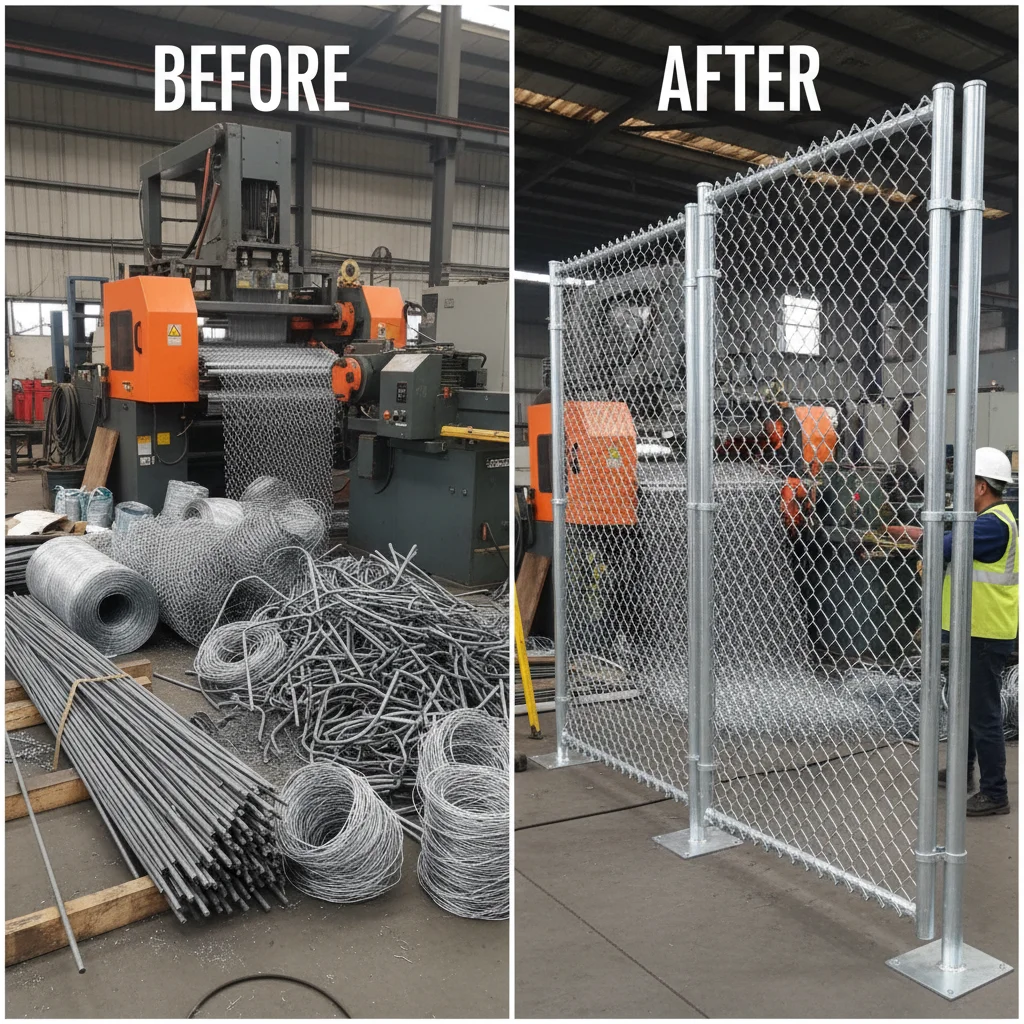
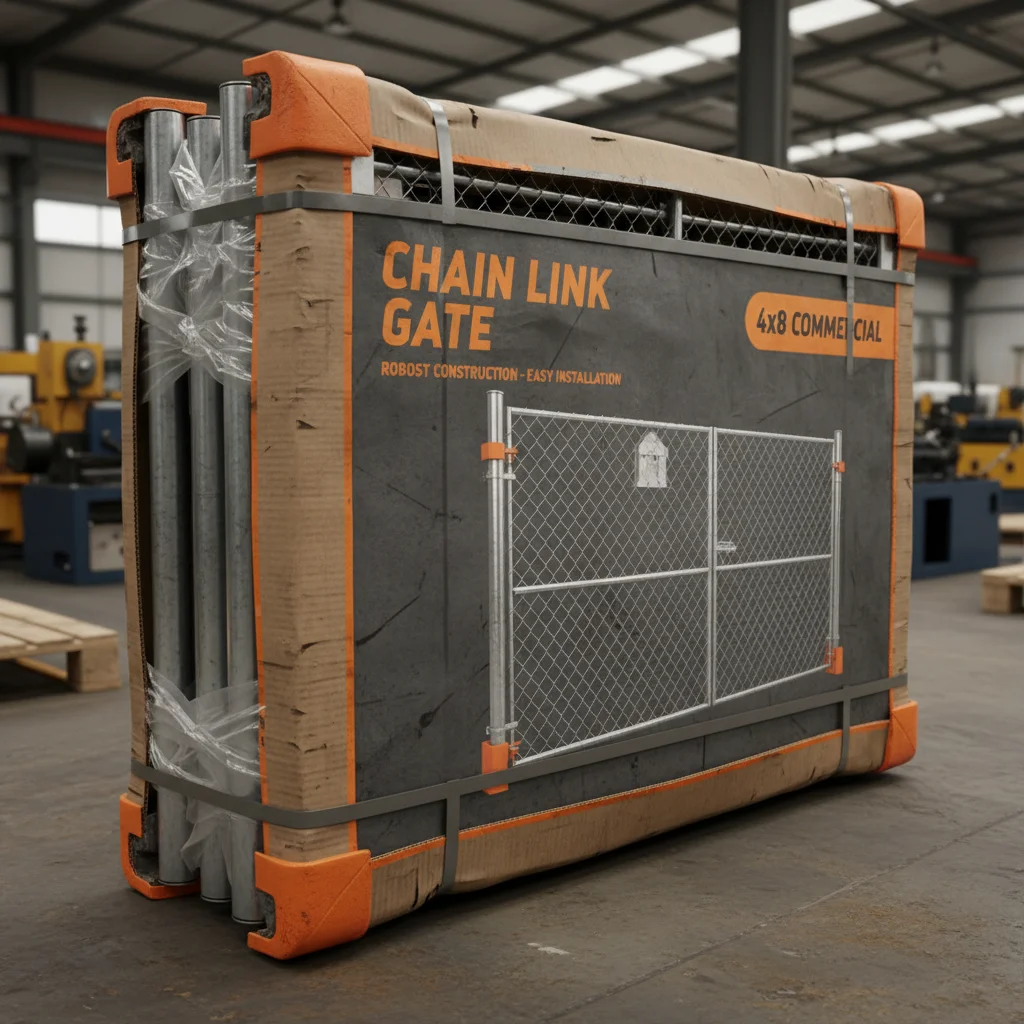
Understanding the chain link wire price is essential for contractors, facility managers, and agricultural operators who require secure, durable perimeter fencing. The price of chain link wire is not a static figure but a dynamic value influenced by raw steel markets, coating specifications, and wire thickness. Whether you are securing a commercial warehouse or managing livestock paddocks, knowing how to evaluate these costs ensures you achieve the best balance between budget and structural longevity.
In industrial and agricultural sectors, the challenge lies in selecting a wire mesh that resists corrosion and physical impact without overspending on unnecessary specifications. Many buyers struggle with the trade-off between low initial procurement costs and the long-term expenses associated with rust and structural failure. This is particularly critical in high-humidity or chemically aggressive environments where standard galvanized wire may degrade prematurely.
This guide provides a comprehensive analysis of the factors driving chain link wire pricing, a comparison of different coating technologies, and professional procurement strategies. By the end of this article, you will be able to identify the key variables that affect your quotes and make informed decisions on the most cost-effective fencing solutions for your specific application.

1Core Factors Influencing Chain Link Wire Pricing

The chain link wire price is primarily driven by the global cost of raw steel and the energy required for the drawing and weaving process. Steel prices fluctuate based on iron ore availability and geopolitical trade policies, which directly impact the base cost of the wire. Beyond the raw material, the wire gauge—the diameter of the steel thread—plays a pivotal role; thicker gauges provide higher security and strength but increase the weight and material cost per linear meter.
Mesh size, or the size of the diamond openings, also affects pricing. Smaller mesh openings require more wire per square meter, increasing the overall material consumption and labor time during the weaving process. This makes high-security mesh more expensive than standard agricultural fencing.
Finally, the production volume and customization requirements impact the final quote. Standard sizes are generally cheaper due to economy of scale, whereas custom dimensions or specific tension requirements necessitate specialized machine setups, adding to the production overhead.
2Technical Comparison of Wire Coatings and Durability
The choice of coating is perhaps the most significant variable in the chain link wire price after the raw material. Galvanization is the standard for corrosion protection. Hot-dip galvanizing involves immersing the wire in molten zinc, creating a thick, bonded layer that offers superior protection in outdoor environments compared to electro-galvanizing, which provides a thinner, more aesthetic finish but less longevity.
For extremely harsh environments, such as chemical plants or coastal regions, PVC-coated galvanized wire is often the preferred choice. This dual-layer system combines the structural corrosion resistance of zinc with the weather-resistant shield of polymer, significantly extending the service life of the fence.
When comparing these options, it is important to consider the lifecycle cost. While uncoated or light-galvanized wire has the lowest initial price, the frequency of replacement in corrosive environments often makes the high-end coatings more economical over a ten-year period.
3Application-Specific Selection for Industrial and Farm Use
Selecting the right chain link wire requires aligning the product specifications with the operational environment. In industrial settings, such as warehouses or factory perimeters, the focus is on security and deterrent capability. This usually necessitates heavy-gauge galvanized steel that can withstand attempted breaches and the accidental impact of machinery.
In contrast, livestock and farm fencing prioritize containment and cost-efficiency. For cattle or sheep panels, the wire needs to be strong enough to prevent animal breakthroughs but flexible enough to follow the terrain. Rapid assembly and disassembly features are highly valued here to allow for rotational grazing and paddock management.
Specialized applications, such as sports courts or municipal guardrails, may require specific aesthetic colors and a higher degree of smoothness to prevent injury. In these cases, powder coating or PVC finishes are used to meet both safety and visual standards.
4Analyzing the Cost-to-Performance Ratio
Determining the value of a specific chain link wire price involves calculating the performance metrics against the initial investment. A high-performance wire is characterized by its tensile strength, coating uniformity, and resistance to sagging over time. Using a precision roll-forming process ensures that the wire maintains a consistent diameter, which prevents weak points in the mesh.
When analyzing performance, procurement teams should look at the zinc coating weight. A higher grammage of zinc per square meter directly correlates with a longer time-to-first-rust, which is the primary metric for longevity in outdoor installations.
chain link wire price Performance Metrics
As shown in the metrics, investing in higher-grade raw materials and advanced surface treatments results in a significant increase in durability and operational reliability compared to industry averages. This reduction in maintenance overhead justifies the higher upfront cost.
5Procurement Best Practices for Large-Scale Projects
For large-scale procurement, the goal is to minimize the total cost of ownership. This begins with a detailed site analysis to determine the exact coating and gauge needed for different zones. For example, the main perimeter may require heavy-duty PVC-coated wire, while interior partitions can utilize standard galvanized mesh to reduce costs.
Verification of certifications is another critical step. ISO 9000 and CE certifications ensure that the manufacturer adheres to lean production and strict quality control, reducing the risk of receiving sub-standard wire that may fail prematurely under tension.
Finally, when requesting quotes, specify the coating method (hot-dip vs. electro) and the wire gauge explicitly. Vague specifications often lead to suppliers quoting the cheapest possible materials, which can lead to project failure and costly retrofits.
6Future Trends in Wire Mesh Manufacturing Technology
The wire mesh industry is moving toward increased automation and intelligence. PLC-controlled weaving machines are now capable of producing mesh with extreme precision, reducing material waste and ensuring that every diamond is uniform. This precision not only improves the aesthetic but also ensures that the tension is distributed evenly across the entire fence line.
Innovation in surface treatment is also accelerating. New eco-friendly coatings are being developed to replace traditional solvents, reducing the environmental footprint of the manufacturing process while maintaining or improving corrosion resistance.
The integration of high-strength alloys is another emerging trend. By utilizing specialized steel blends, manufacturers can produce thinner wires that offer the same strength as thicker traditional steel, potentially reducing the total weight and transport costs of the fencing system.
7Evaluating Fencing Options: A Decision Matrix
To simplify the selection process, users should evaluate their needs based on the primary objective: is the priority high security, long-term corrosion resistance, or budget-friendly containment? Each option presents a different trade-off in terms of initial cost and maintenance requirements.
The following table summarizes the key differences between the most common types of wire mesh products used in industrial and agricultural settings to help determine the best fit for your project.
| Wire Type | Primary Use | Durability | Price Point |
|---|---|---|---|
| Electro-Galvanized | Indoor/Light Use | Low to Medium | Low |
| Hot-Dip Galvanized | Outdoor/Industrial | High | Medium |
| PVC Coated | Coastal/Chemical | Very High | High |
| Livestock Panels | Farm Containment | Medium to High | Medium |
| Welded Mesh | Heavy Security | High | Medium-High |
| Custom Alloy Mesh | Specialized Tech | Extreme | Premium |
Ultimately, the most expensive option is not always the best; the correct choice is the one that meets the minimum safety and durability requirements for the specific environment without exceeding the allocated budget.
Frequently Asked Questions
Conclusion
Navigating the variables of chain link wire price requires a strategic approach that balances immediate procurement costs with long-term operational durability. By understanding the impact of wire gauge, coating technologies, and mesh specifications, facility managers and farmers can avoid the costly mistake of under-specifying their security boundaries, which leads to premature failure and expensive replacements.
For those seeking high-performance fencing solutions that integrate automated precision and certified quality, reviewing professional manufacturing capabilities is key. Readers evaluating suitable solutions can review the available product information at www.fenceandfarmsupply.com to ensure their next project is built on a foundation of strength and reliability.