Understanding the 5 Chain Link Fence Cost
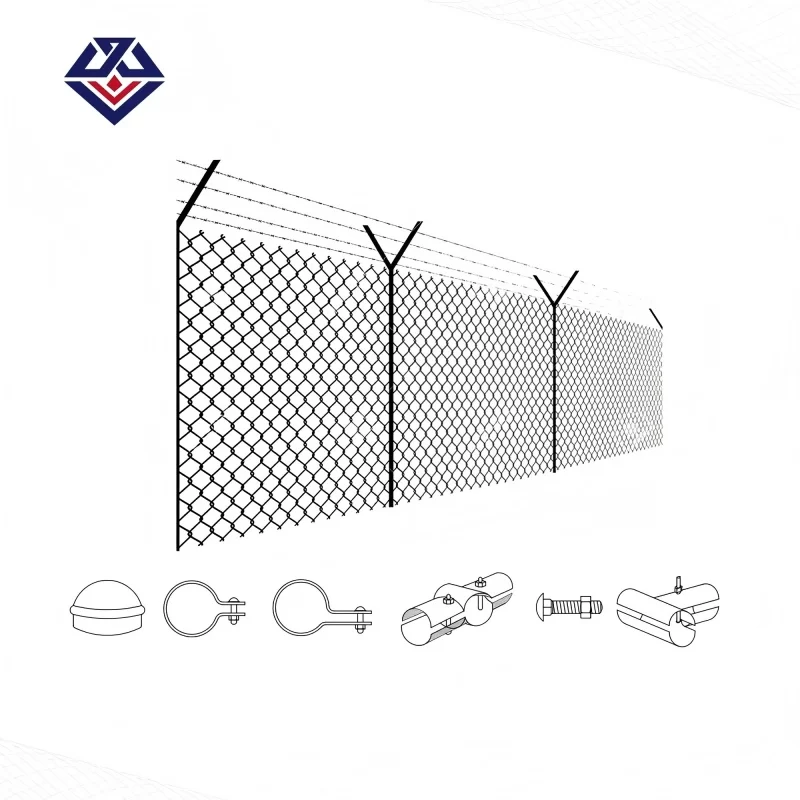
Chain link fences are a popular choice for security and enclosure due to their affordability and durability. But what does a 5 chain link fence actually cost? The price can vary widely depending on several factors, including the height of the fence, the gauge of the wire, the type of posts used, and the labor costs in your area. This article will break down the factors influencing chain link fence costs, providing a comprehensive guide to help you budget for your fencing project. We’ll explore material costs, installation considerations, and tips for getting the best value.
Factors Influencing the 5 Chain Link Fence Cost
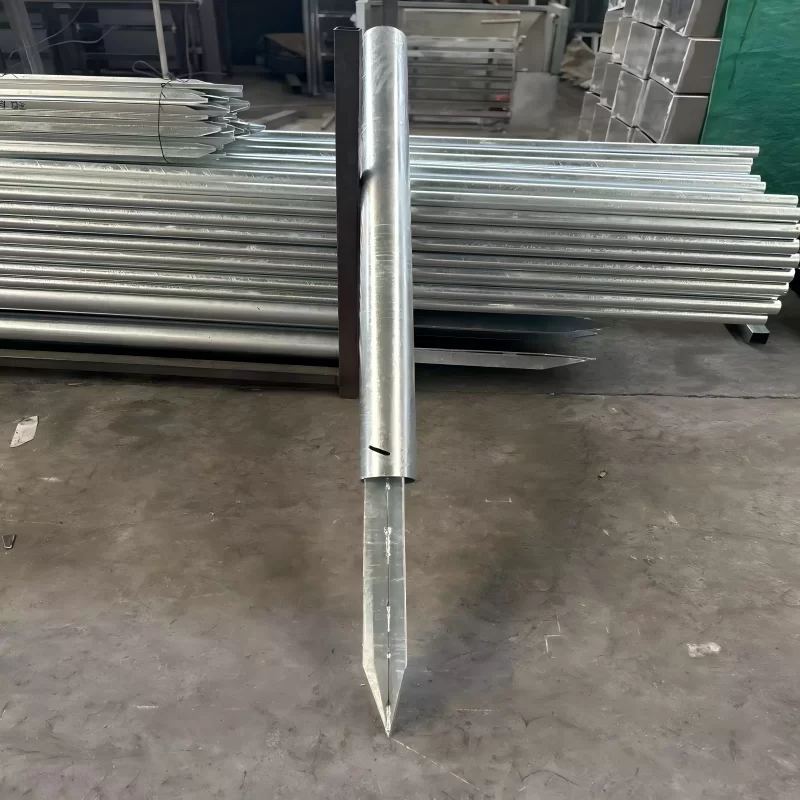
Several key elements contribute to the overall cost of a 5-foot chain link fence. First, the height is a significant factor – taller fences naturally require more materials. Second, the gauge of the chain link fabric impacts price; a lower gauge (thicker wire) is more durable but also more expensive. Post material (steel or aluminum) and type (line, corner, or gate) also play a role. Finally, labor costs vary dramatically by location and contractor. Don’t forget to factor in potential site preparation expenses, such as clearing vegetation or leveling the ground.
Material Costs: A Breakdown
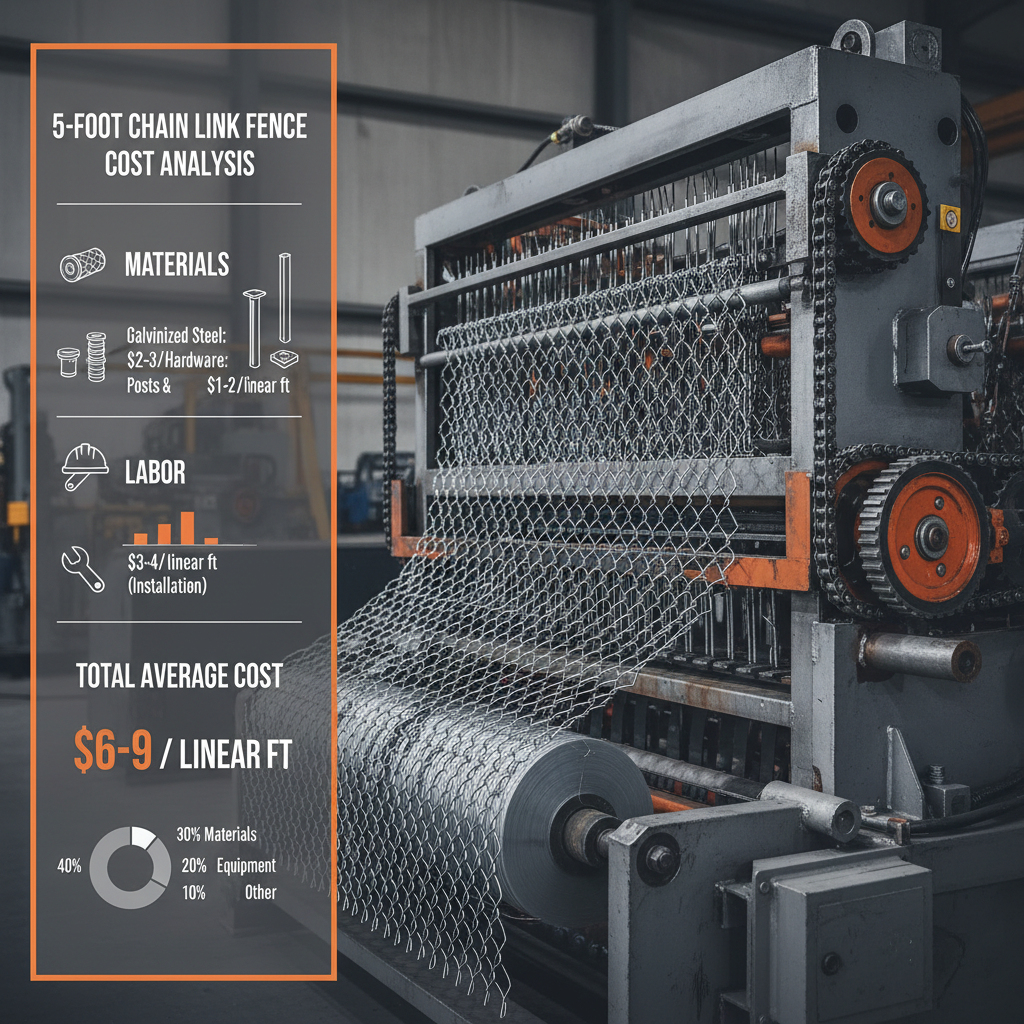
Understanding the individual material costs is crucial for accurate budgeting. Here’s a rough estimate of what you can expect to pay per linear foot (as of late 2024):
Installation Costs: Labor and Site Prep
Labor costs typically range from $3 to $8 per linear foot, depending on the complexity of the installation and the contractor's rates. Site preparation (clearing, leveling) can add another $1 to $3 per linear foot, especially if significant work is required. Consider factors like rocky soil, tree roots, or steep slopes. Getting multiple quotes from reputable fencing contractors is essential.
5 Chain Link Fence Cost: Total Estimates
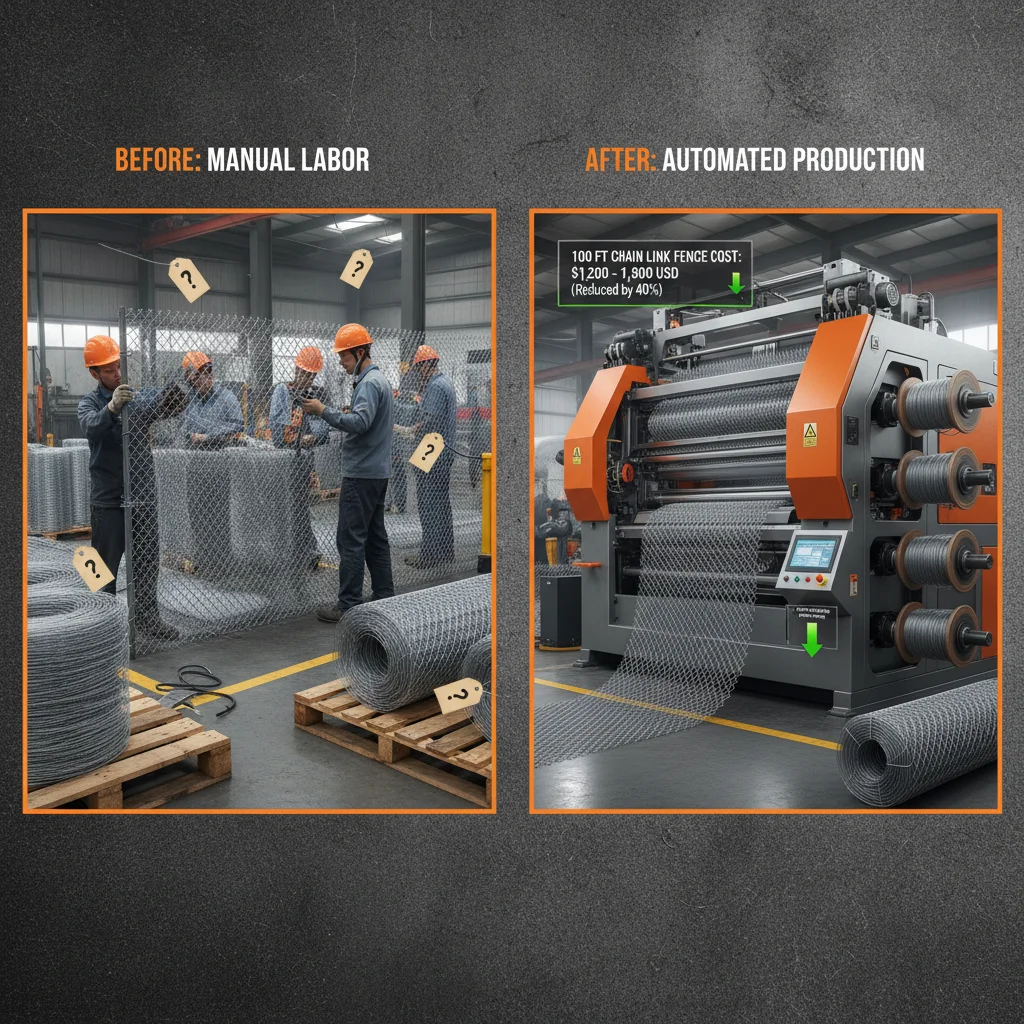
Here's a breakdown of estimated total costs for a 5-foot chain link fence, assuming a 100-foot run:
Estimated Costs (100ft Run):
Basic (9 gauge, steel posts, minimal site prep): $800 - $1,500
Mid-Range (9 gauge, steel posts, moderate site prep): $1,500 - $2,500
Premium (Lower gauge, aluminum posts, extensive site prep): $2,500+
Comparing Chain Link to Other Fencing Options
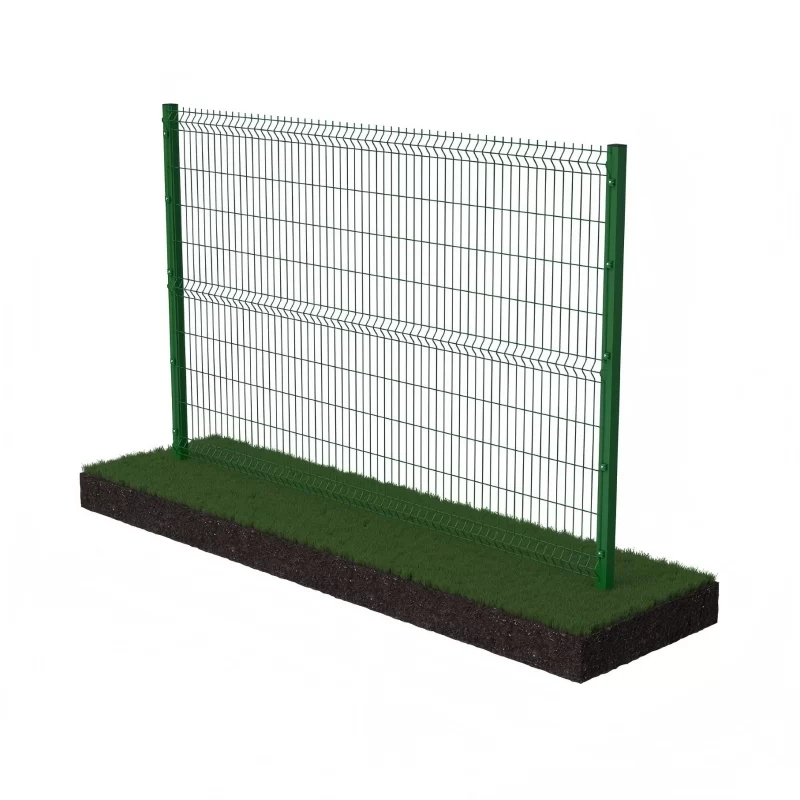
Chain link fencing is often compared to wood, vinyl, and wrought iron. Here's a quick comparison of approximate installed costs per linear foot:
Getting the Best Value for Your Fence Investment
To maximize your budget, get multiple quotes from different contractors. Ask about discounts for cash payments or larger projects. Consider performing some site preparation yourself (clearing debris) to reduce labor costs. Don't automatically choose the cheapest option; prioritize quality materials and a reputable installer. For a reliable and professional fence installation, reach out to Cowan Fences today! They can provide a free quote and help you design the perfect fence for your needs.
Conclusion: Planning Your Chain Link Fence Project
Successfully planning a chain link fence project requires understanding the various cost factors involved. By considering material options, labor expenses, and site preparation needs, you can create a realistic budget and achieve a secure and attractive fence. Don't hesitate to consult with fencing professionals like Cowan Fences to ensure a smooth and cost-effective installation.
Frequently Asked Questions (FAQs)
What is the typical lifespan of a chain link fence?
With proper maintenance, a chain link fence can last 20-30 years or even longer. Galvanized steel chain link is more resistant to rust than uncoated steel. Regular inspection and the application of a protective coating every few years can significantly extend its lifespan. Factors like exposure to saltwater or harsh chemicals can accelerate corrosion and shorten the fence's life.
Does the gauge of the chain link fabric matter?
Absolutely. The gauge refers to the thickness of the wire. Lower gauge numbers (e.g., 9 gauge) indicate thicker, stronger, and more durable wire. While more expensive upfront, a lower gauge fabric will resist stretching, sagging, and damage better over time, potentially saving you money on repairs or replacement in the long run. For areas with high traffic or potential for impact, a lower gauge is highly recommended.
Can I install a chain link fence myself to save money?
While it's possible to install a chain link fence yourself, it's a physically demanding and potentially complex project. It requires digging post holes, setting posts in concrete, stretching the fabric, and properly tensioning the fence. Improper installation can lead to a flimsy, unsafe fence. Unless you have experience with fencing and the necessary tools, it's generally best to hire a professional installer.
What permits are required for a chain link fence installation?
Permit requirements vary by location. Most municipalities require a permit for fences exceeding a certain height (typically 6 feet). It's essential to check with your local building department before starting any fencing project to ensure you comply with all regulations. This might involve submitting a site plan and adhering to specific height or setback restrictions.