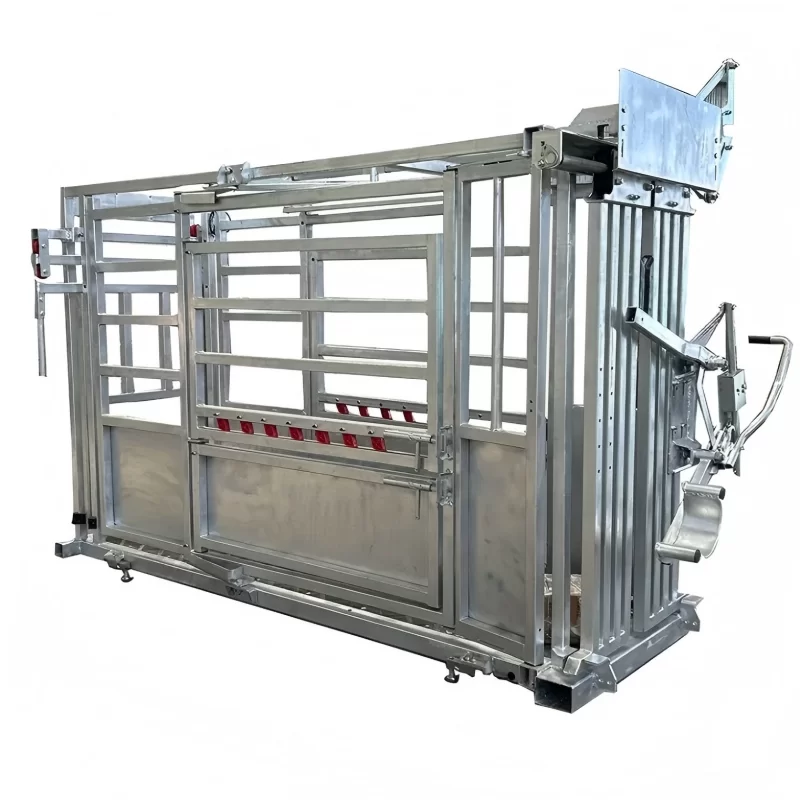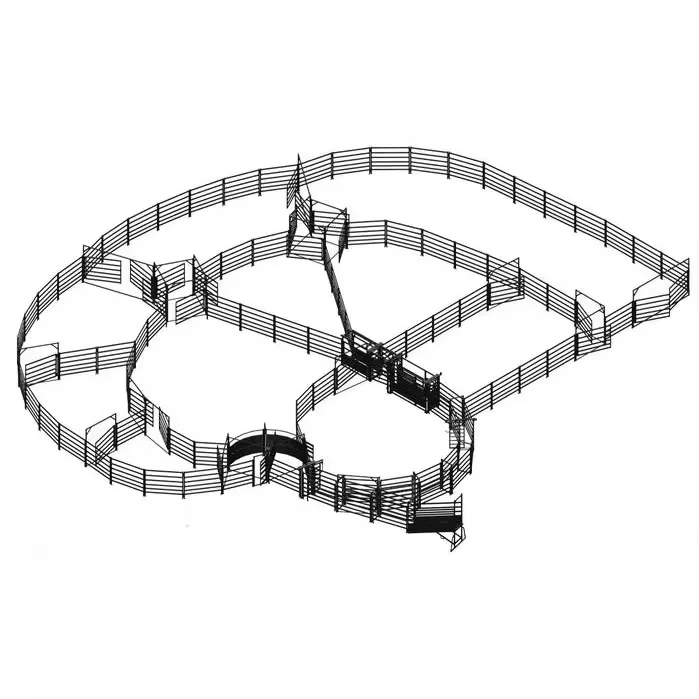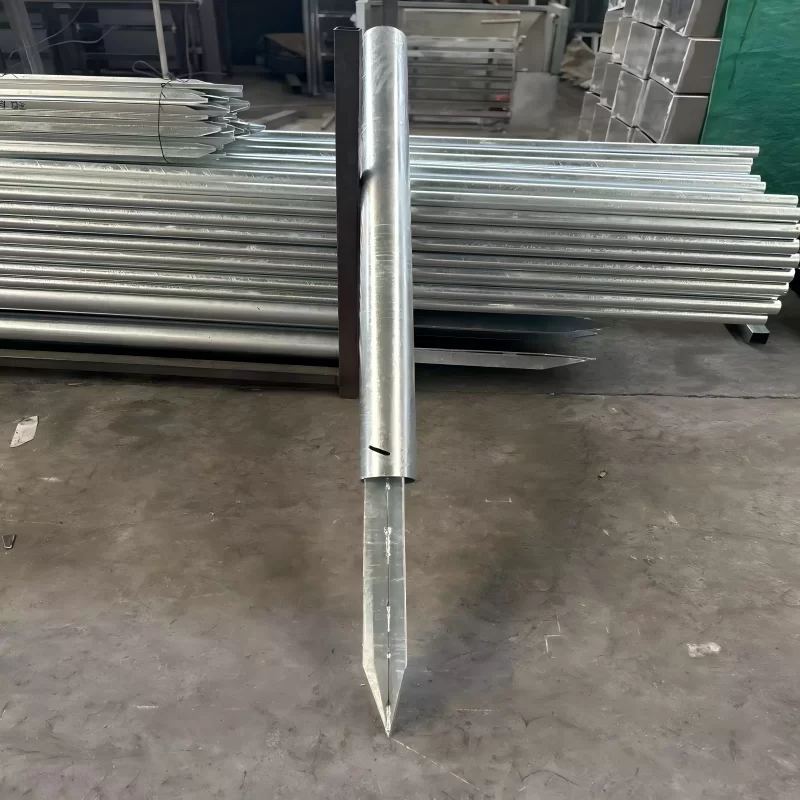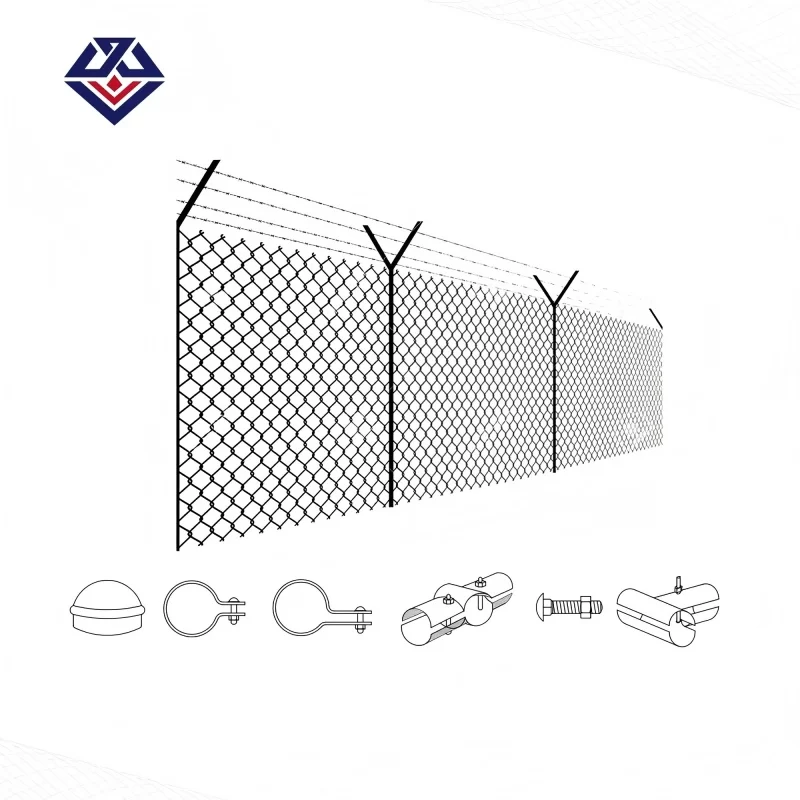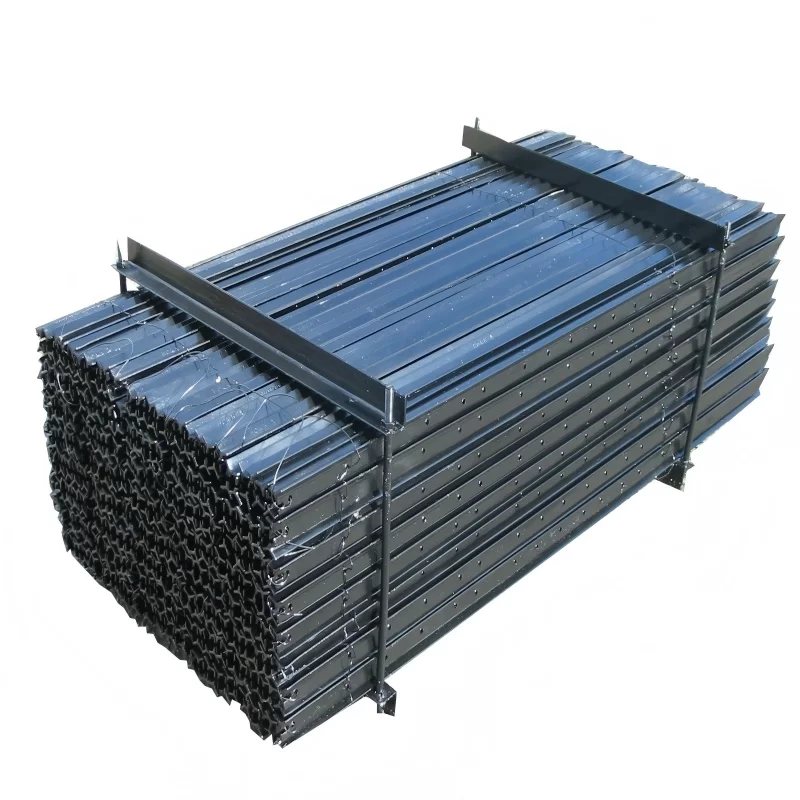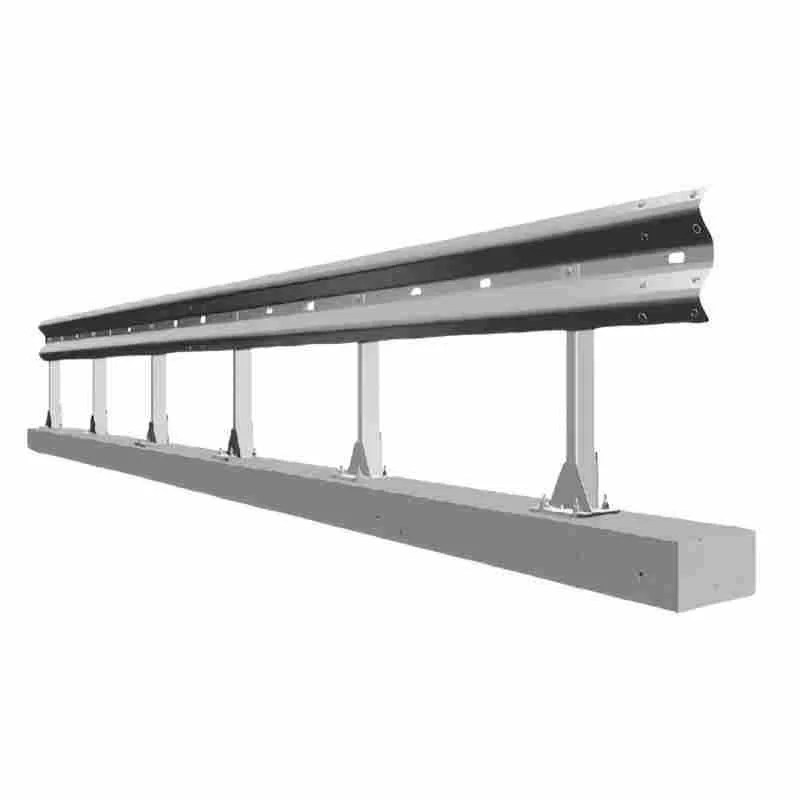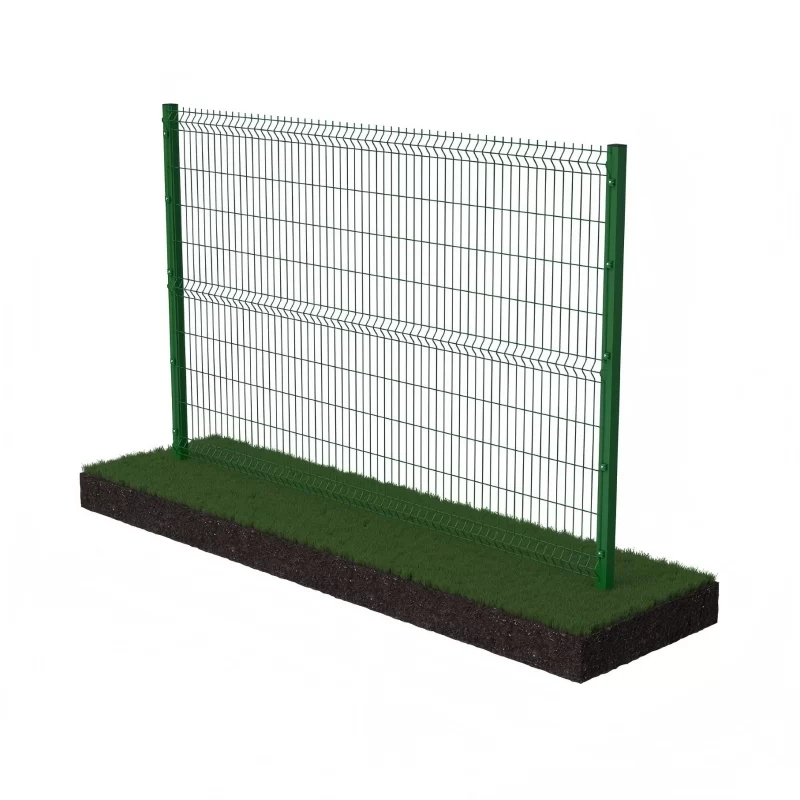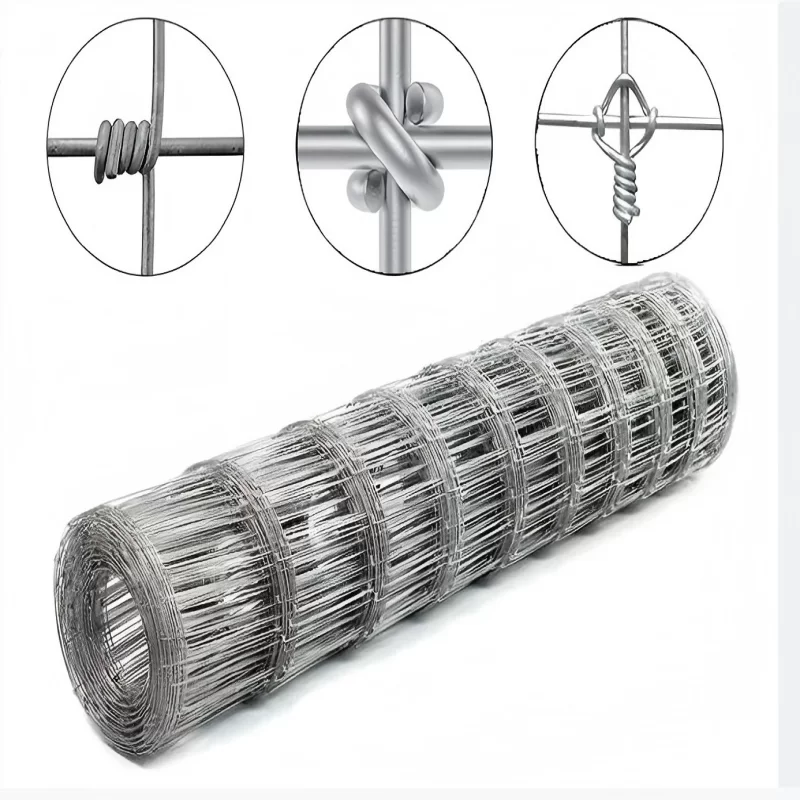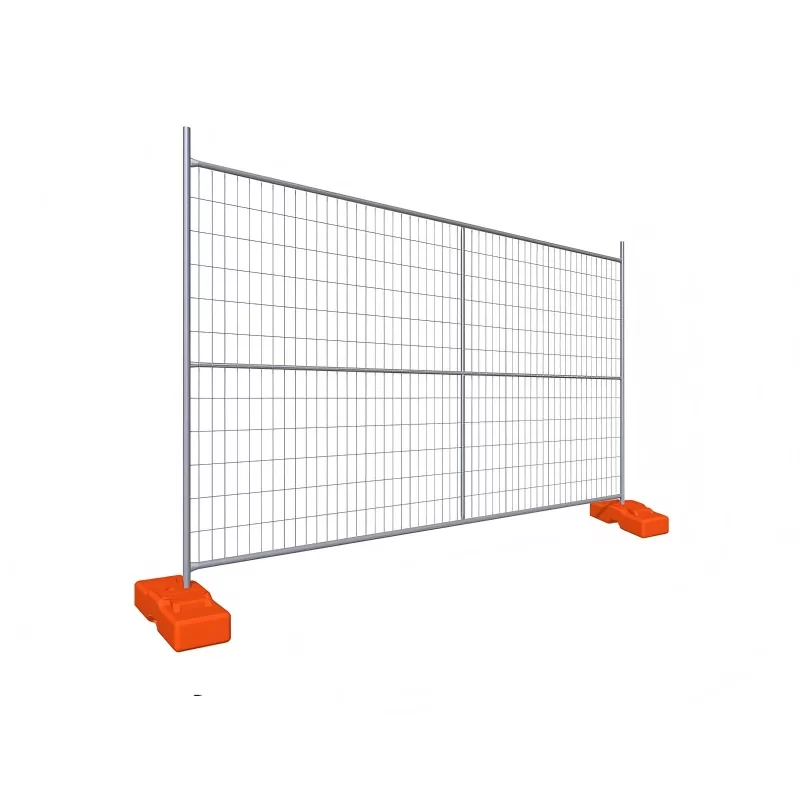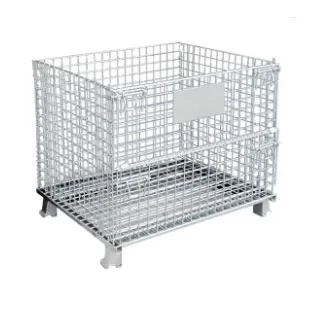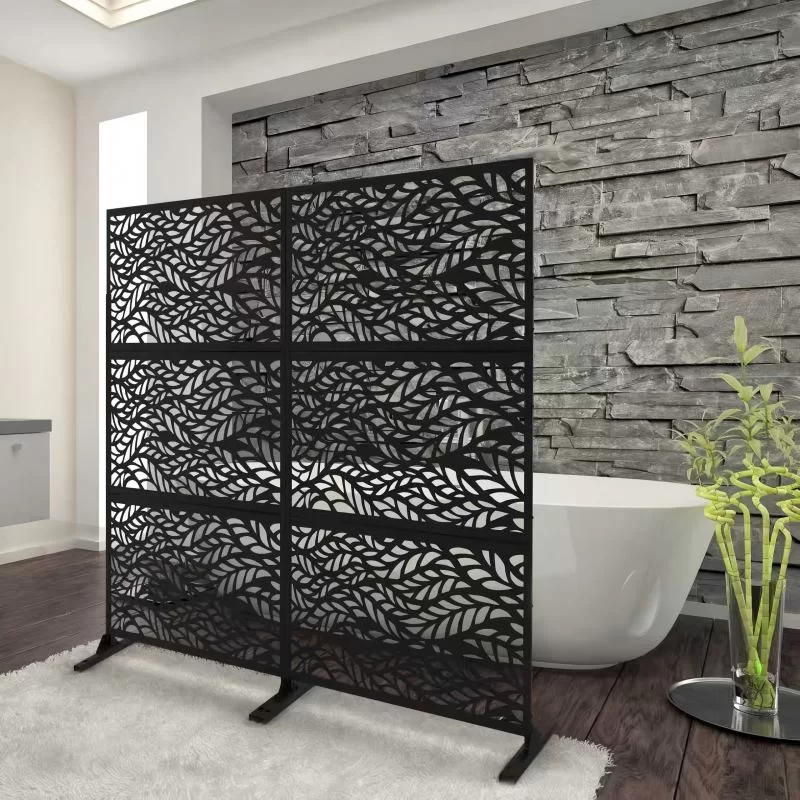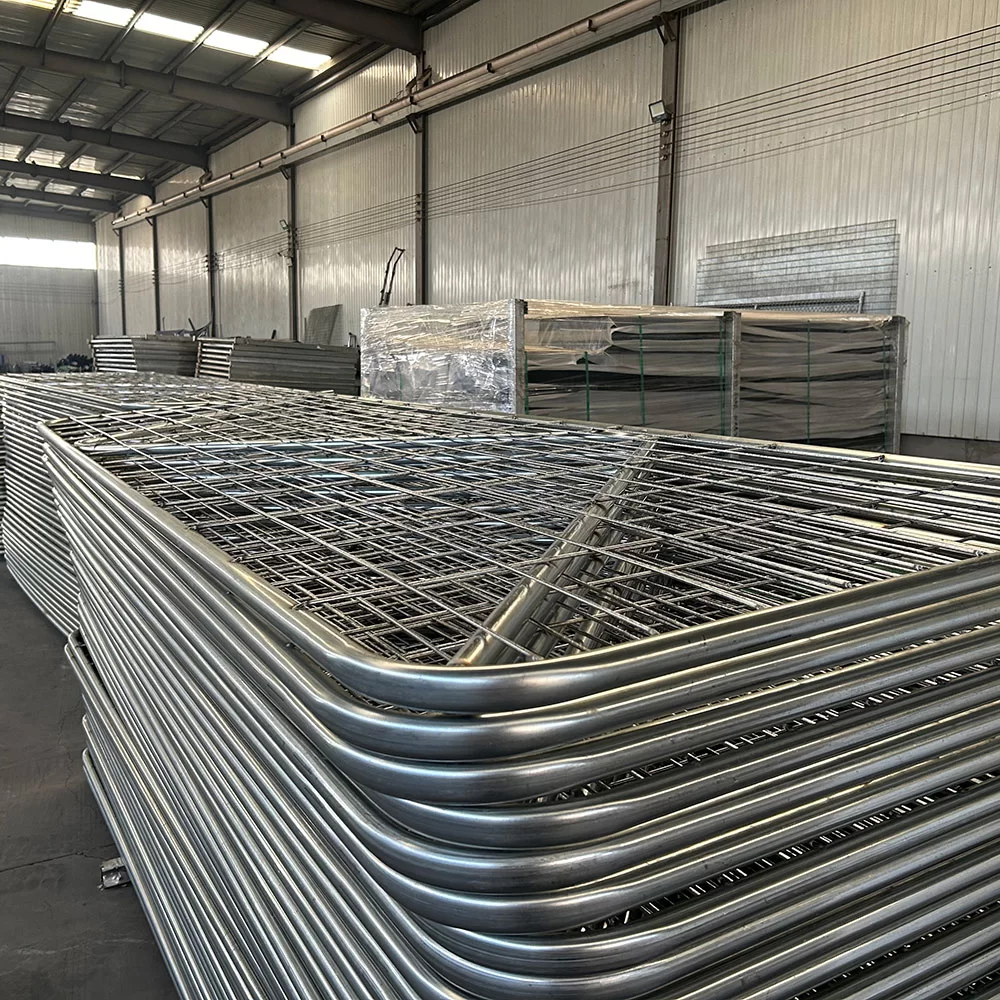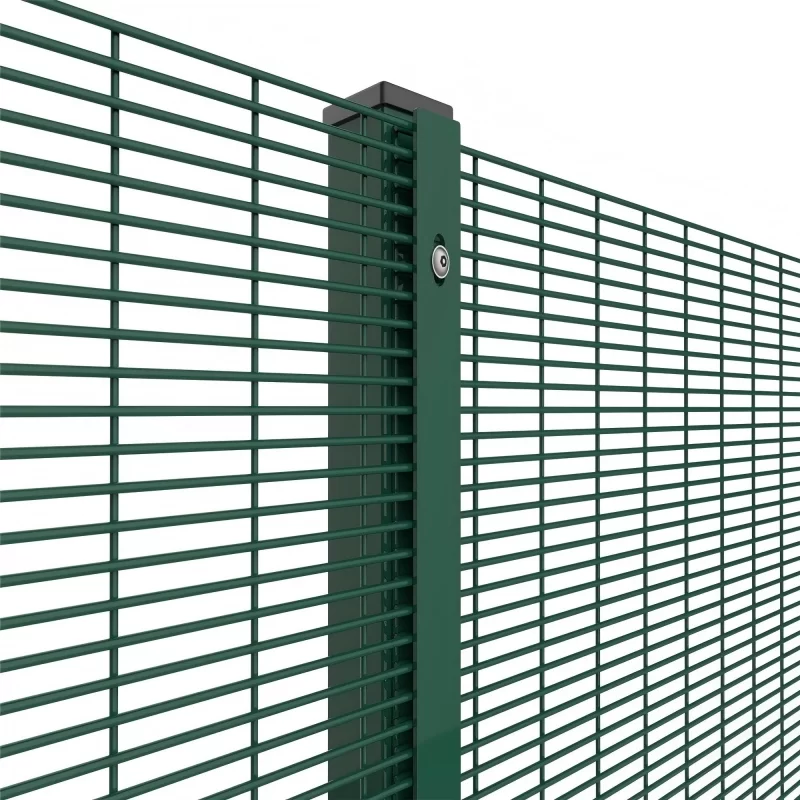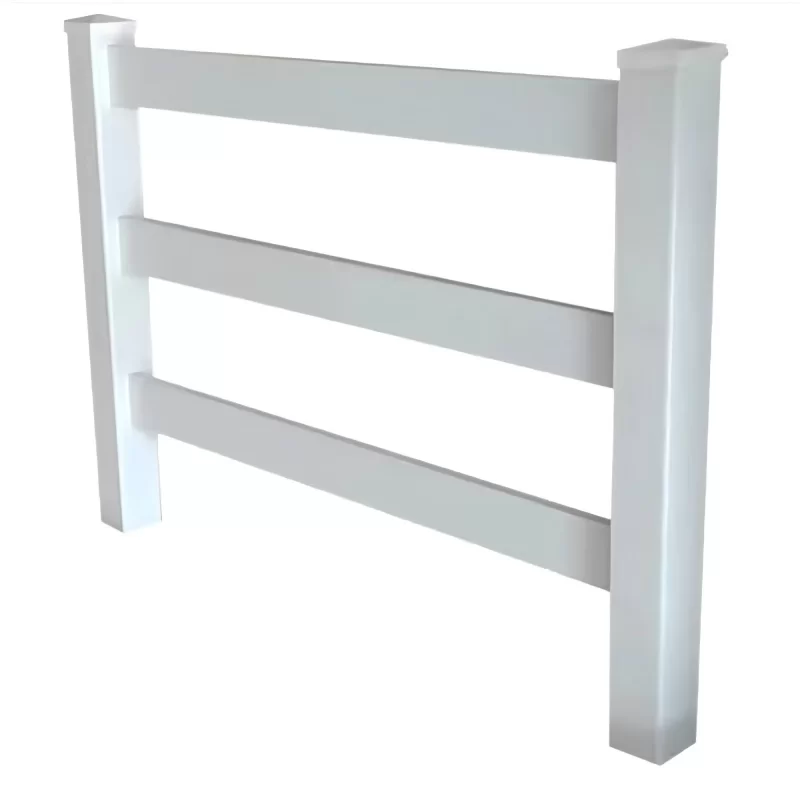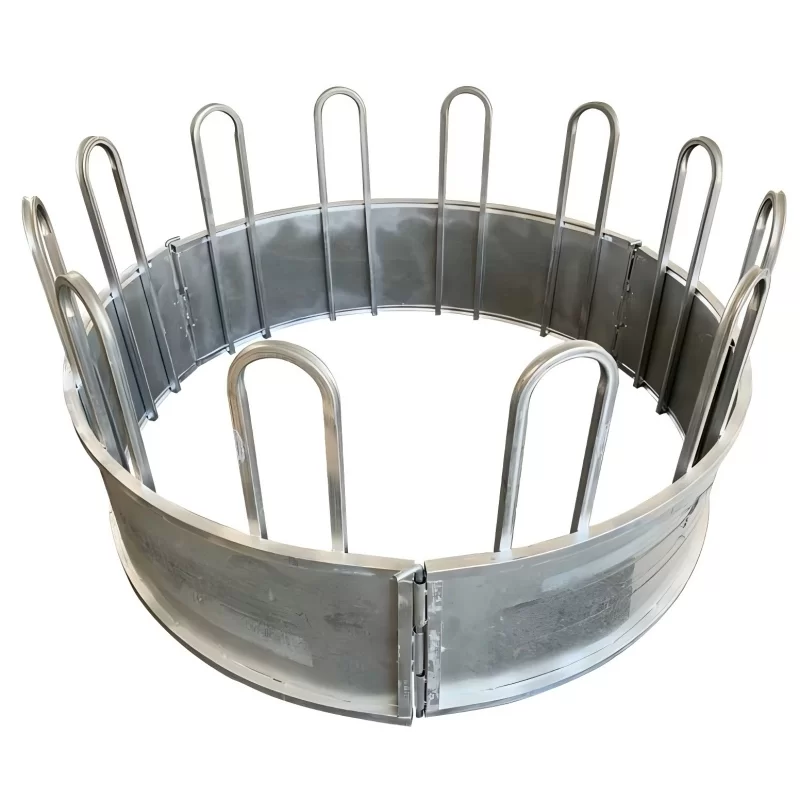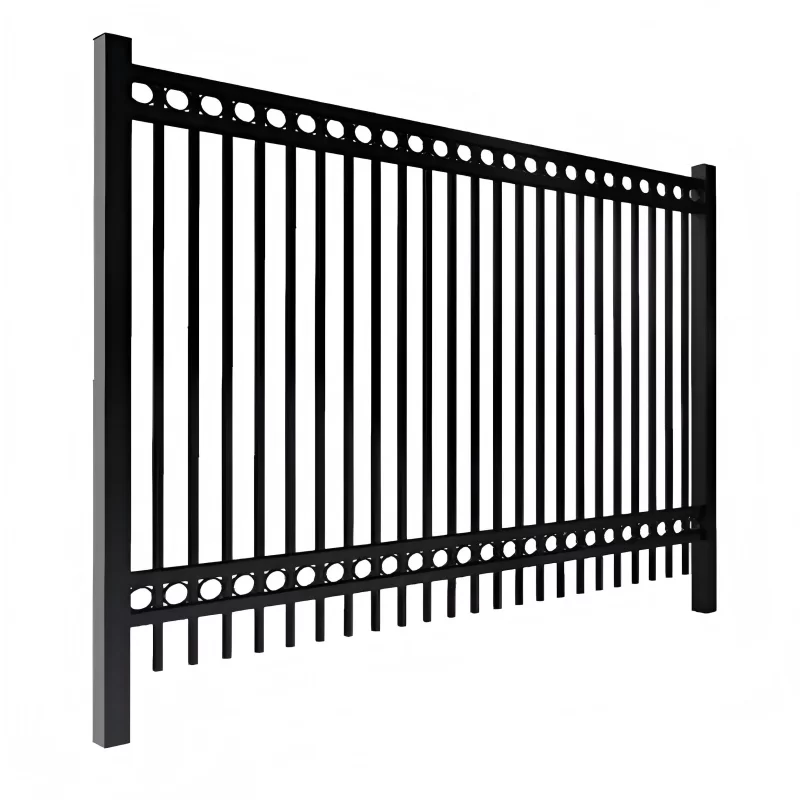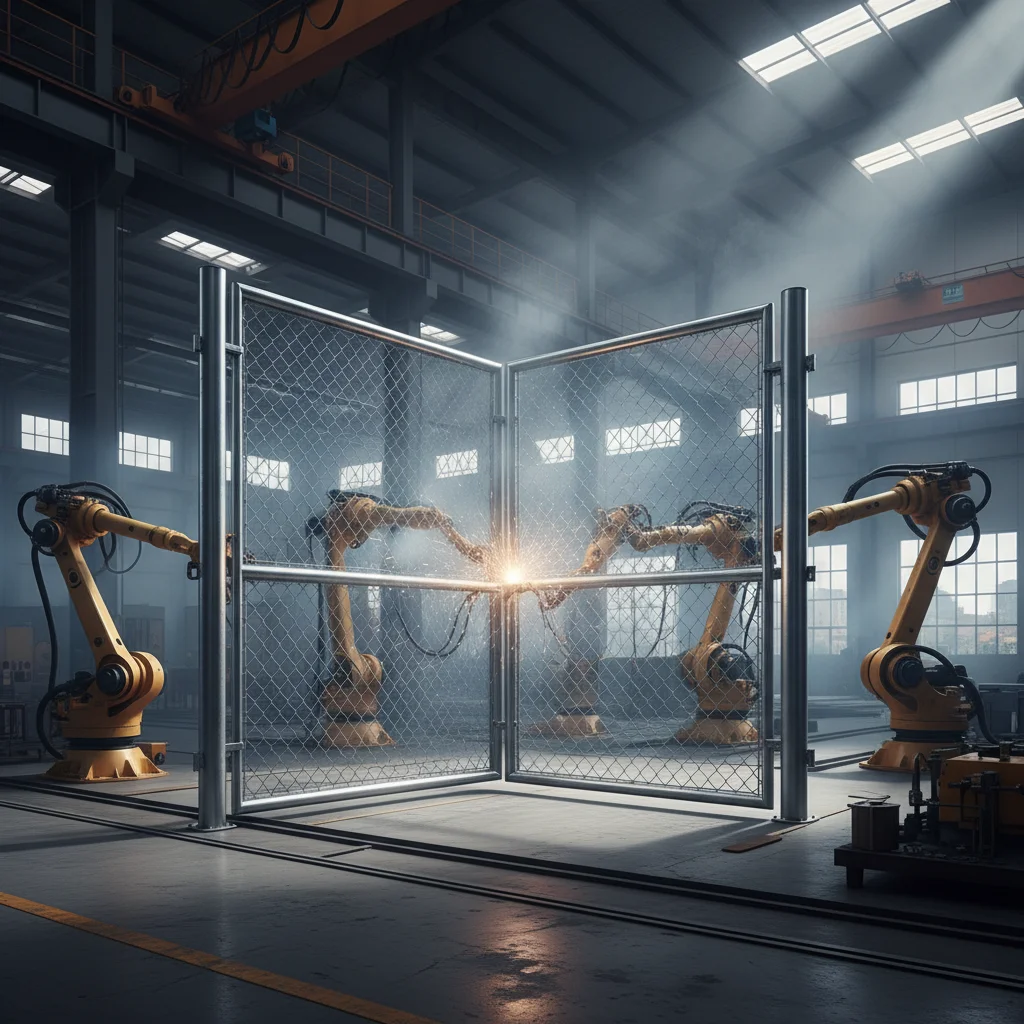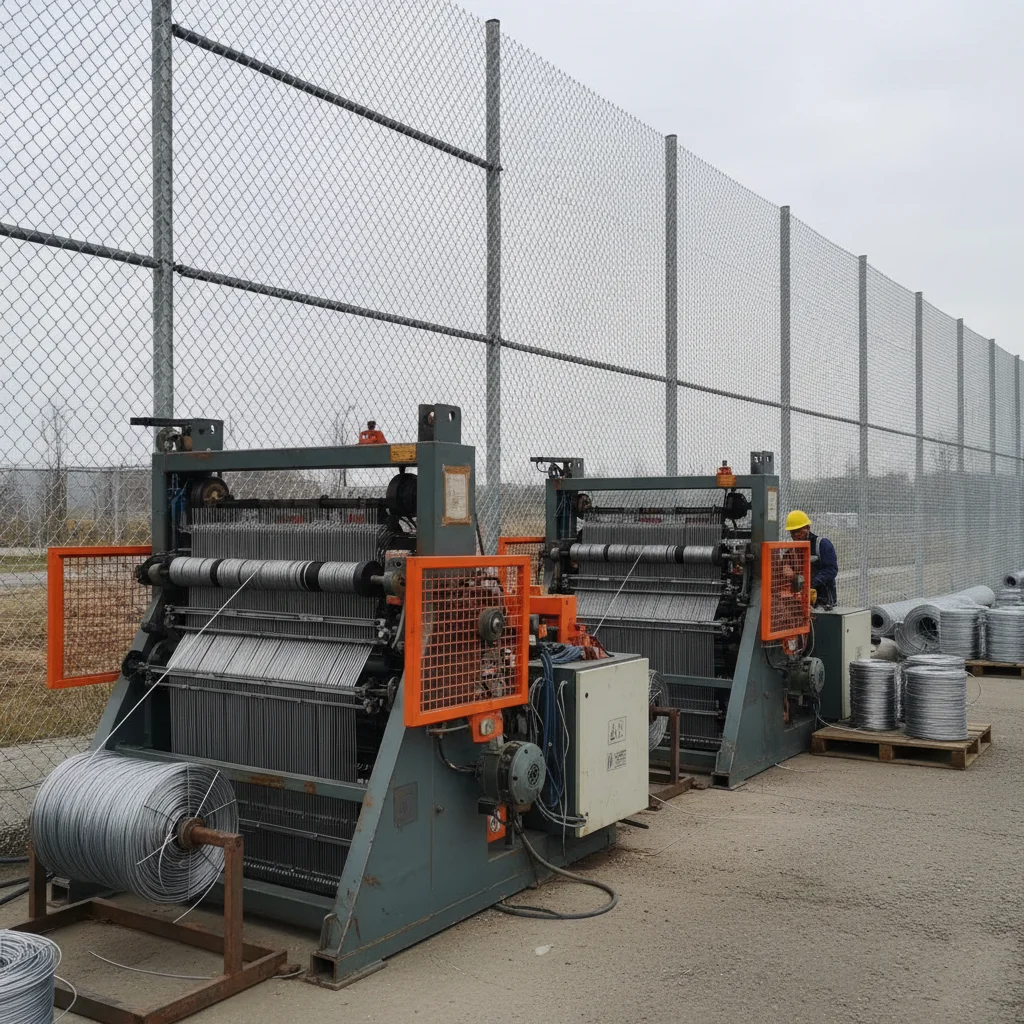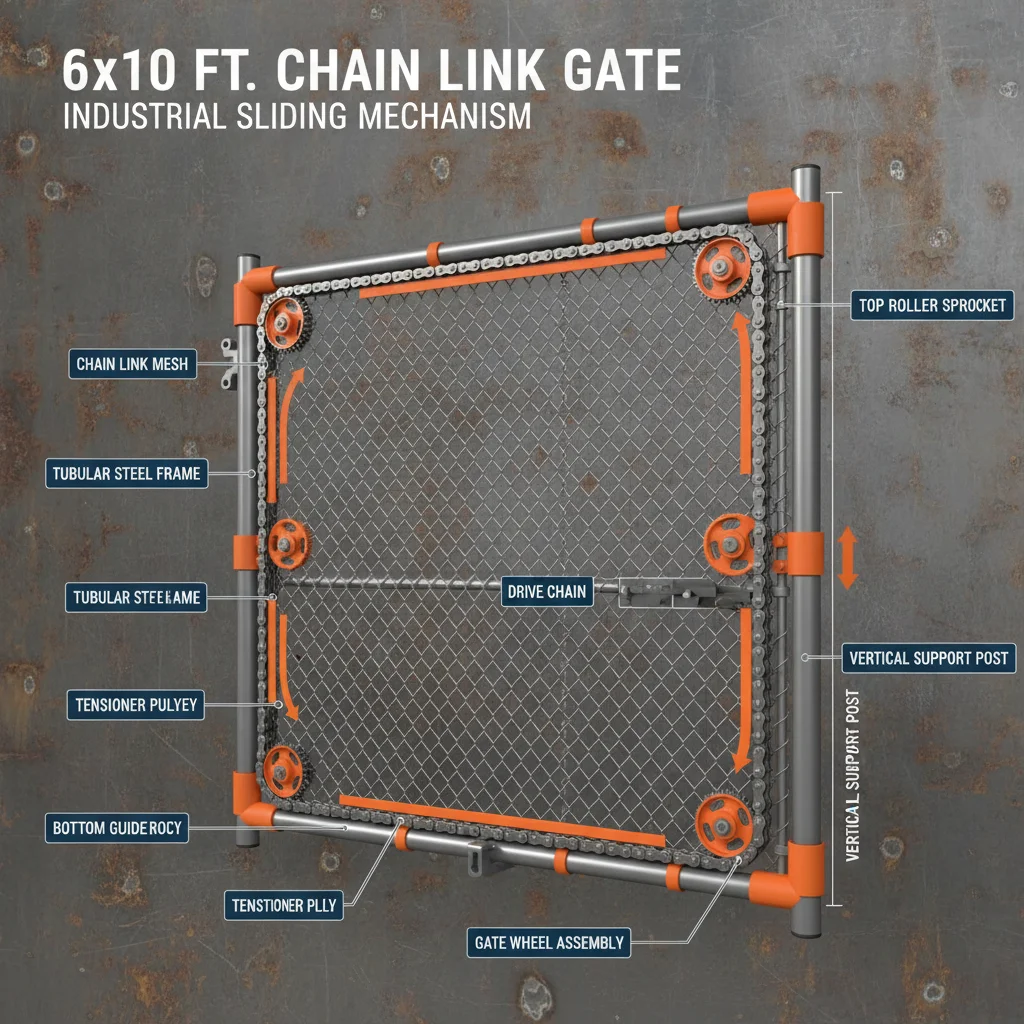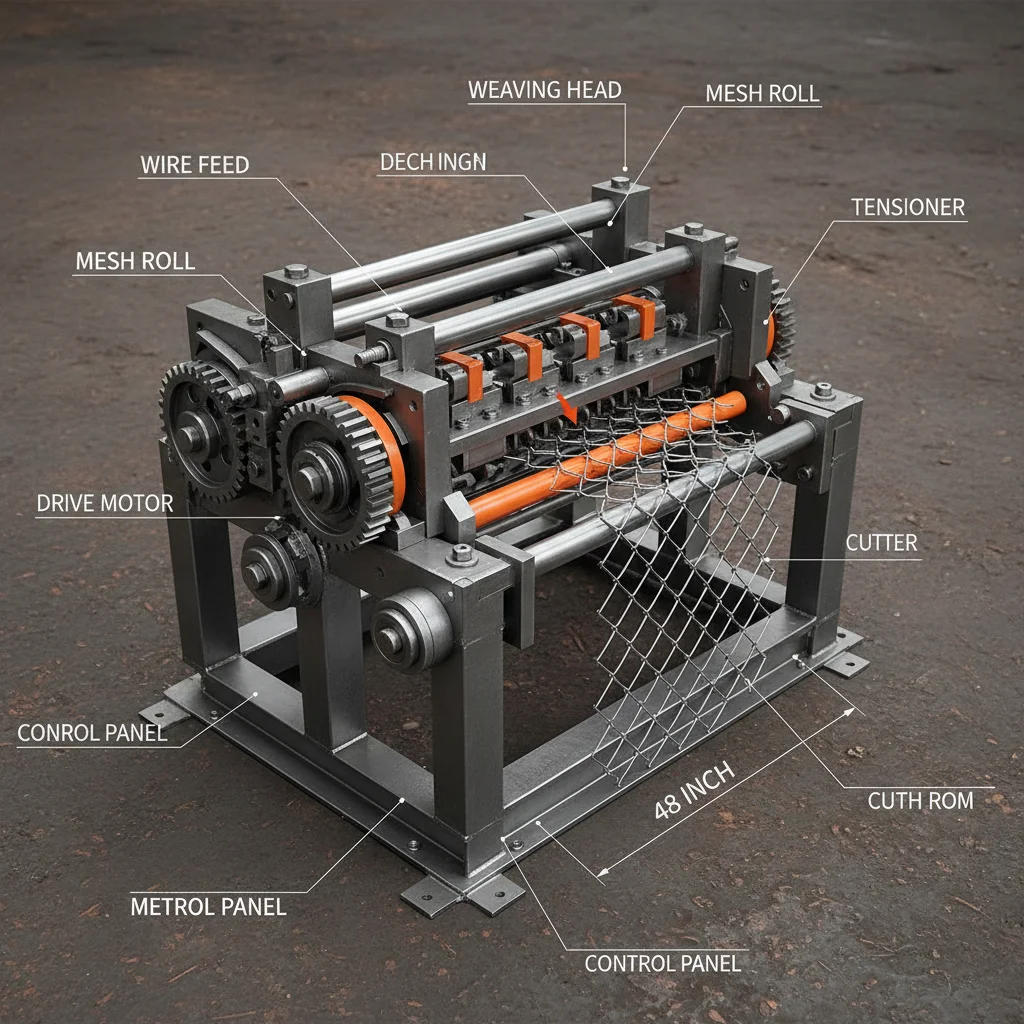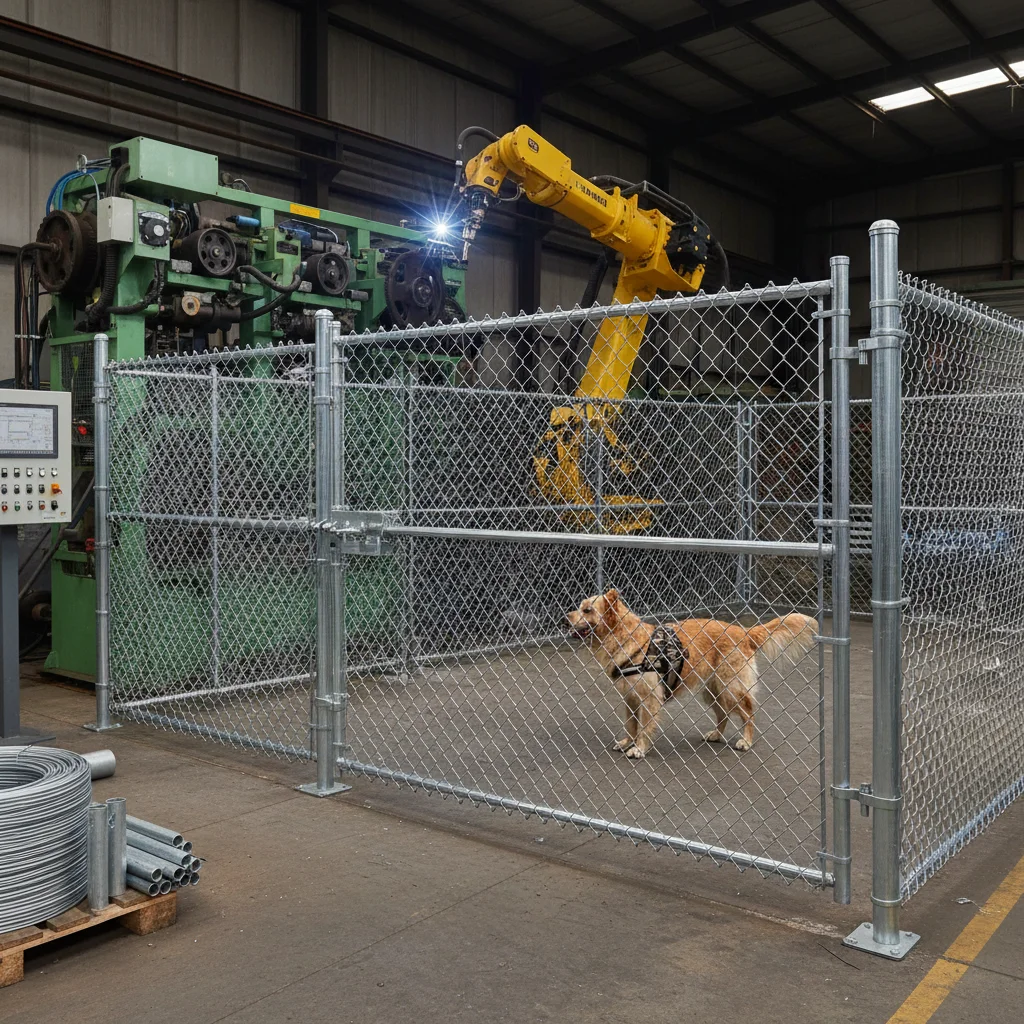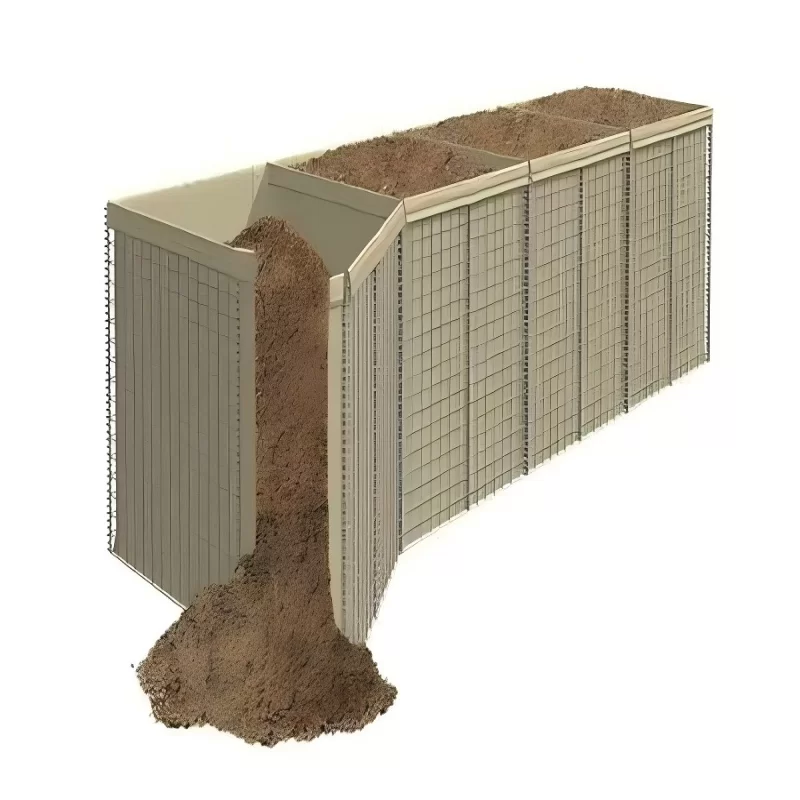
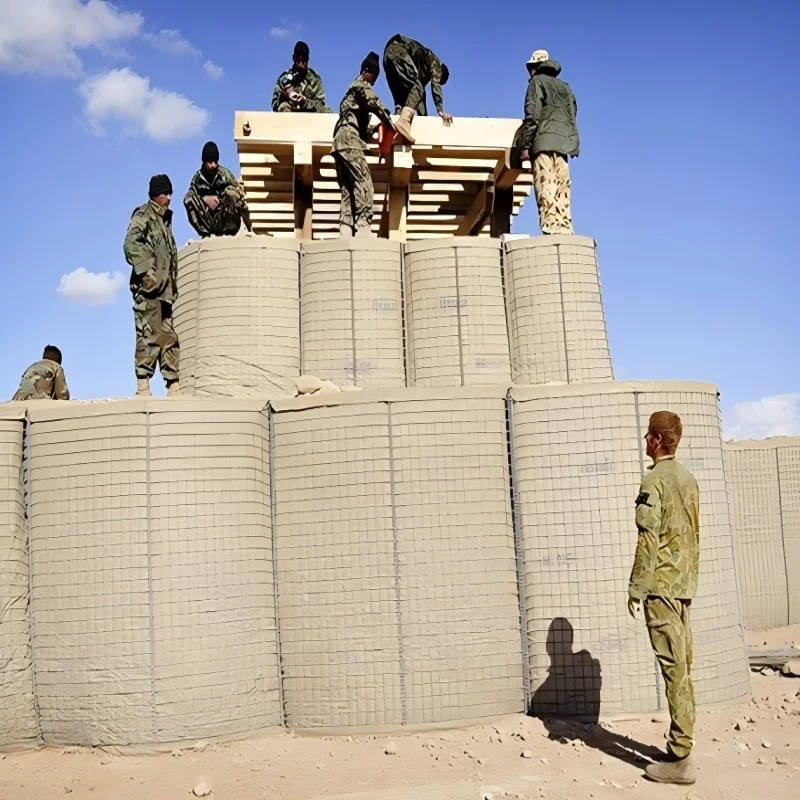
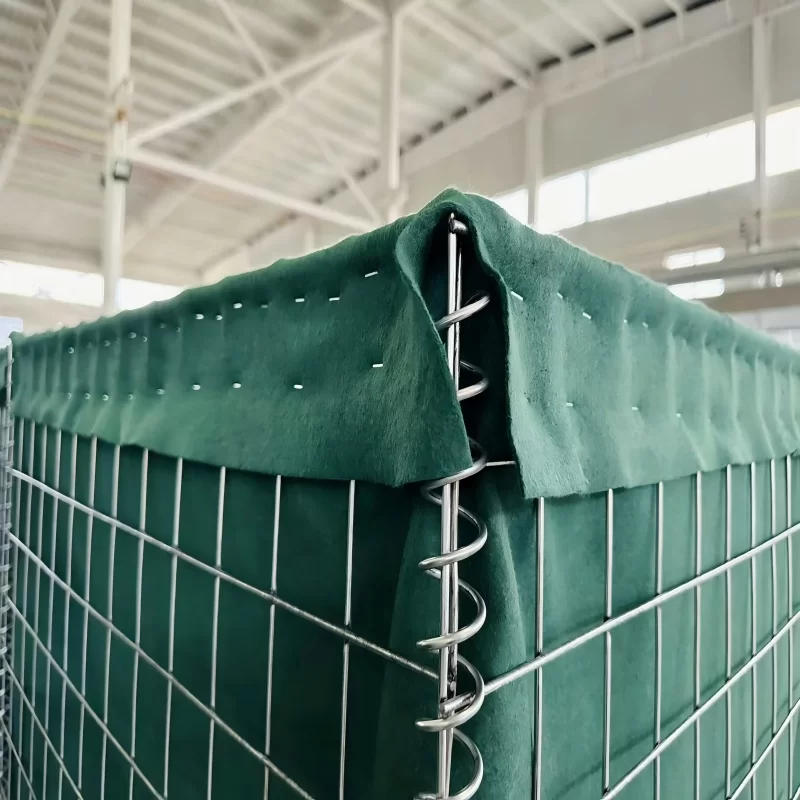
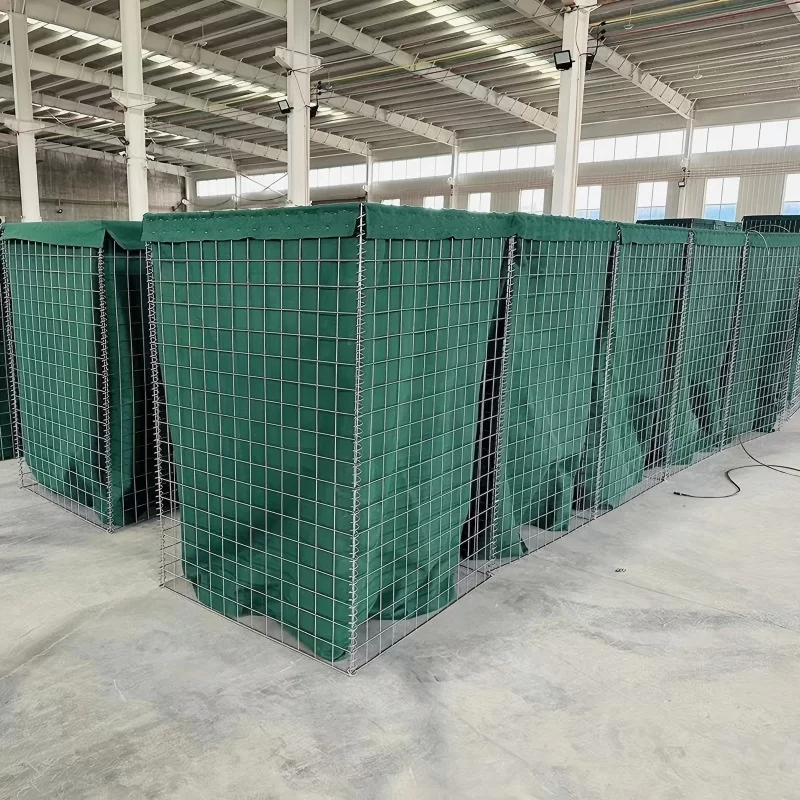
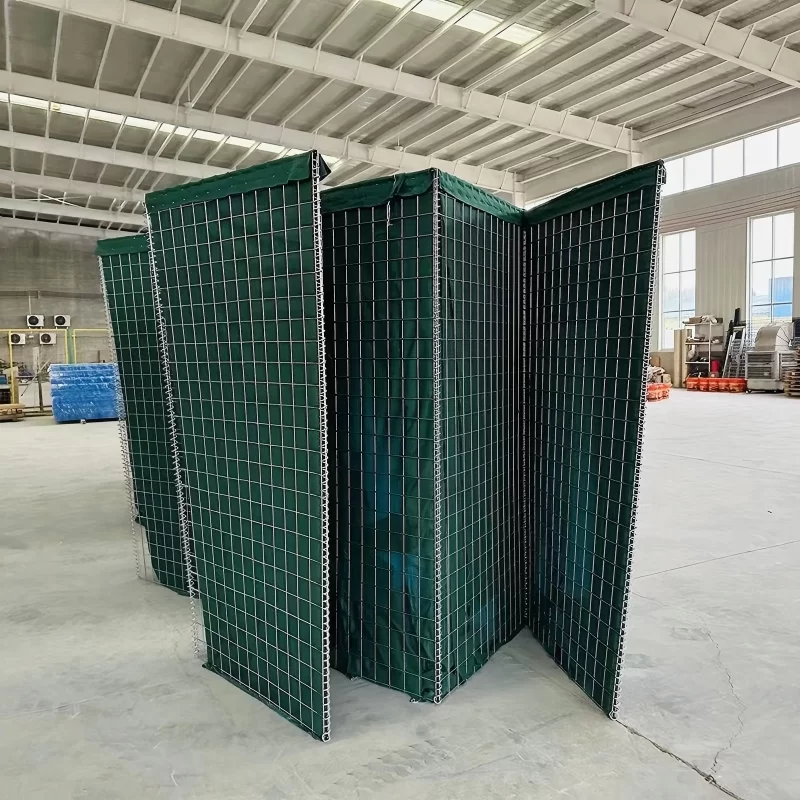
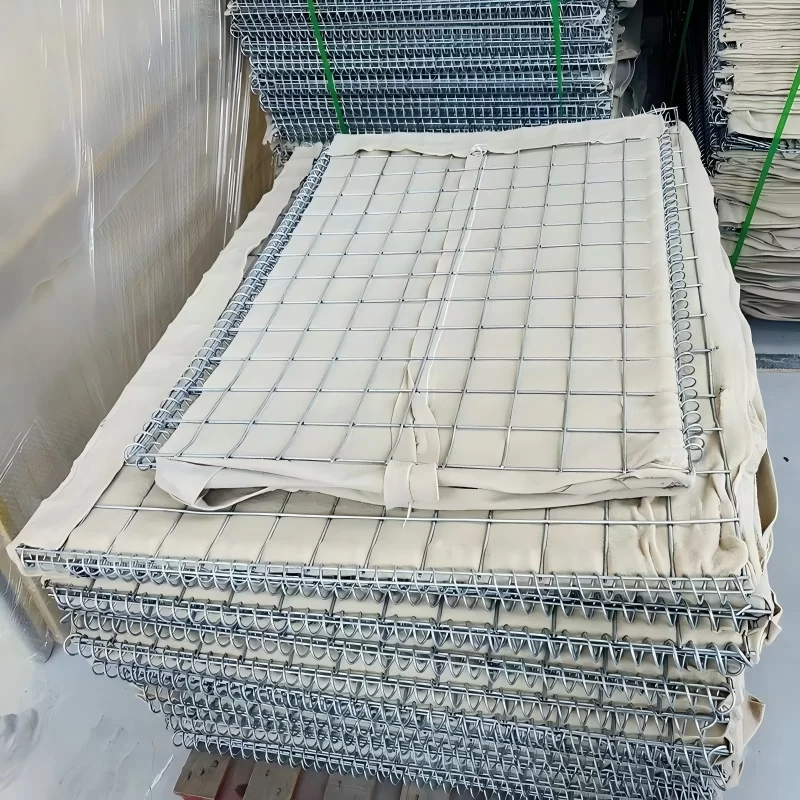
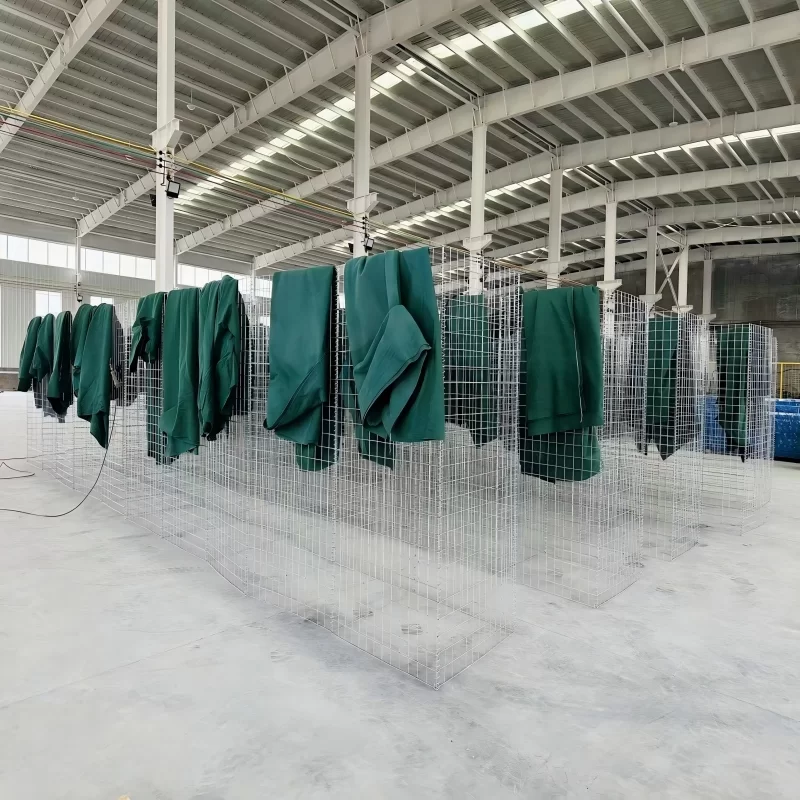
Ensuring safety in industrial environments is critical, and the Steel Defensive Barrier for Factory and Warehouse Protection provides a robust solution to protect personnel, equipment, and inventory. Designed for high-traffic areas in factories, warehouses, and logistics centers, this heavy-duty barrier prevents accidents, enhances organization, and improves operational efficiency.
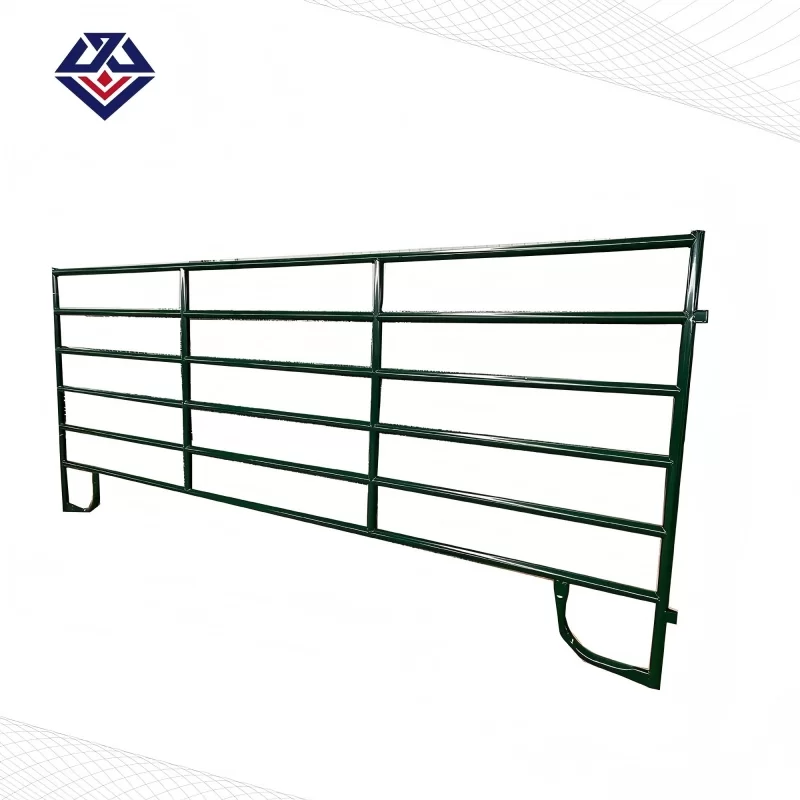
Constructed from high-quality steel, the barrier features reinforced posts and panels that provide exceptional impact resistance. The durable steel withstands collisions from forklifts, carts, or other industrial vehicles, protecting machinery, storage racks, and personnel from accidental damage. To ensure longevity, the barrier is coated with corrosion-resistant powder or galvanization, allowing it to maintain structural integrity even in demanding indoor or outdoor environments.
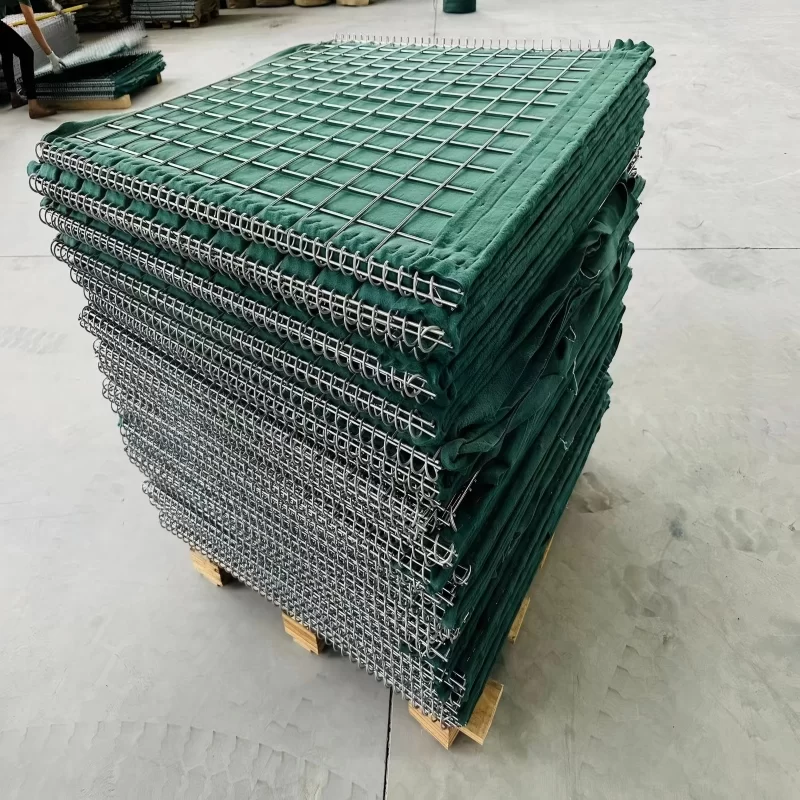
The modular design of the steel defensive barrier allows for flexible installation and expansion. Individual sections can be connected to create continuous protective lines along walkways, machine perimeters, storage zones, or loading docks. Anchoring to the floor ensures stability while permitting relocation or reconfiguration as operational needs evolve. This adaptability makes it ideal for growing facilities or changing warehouse layouts.
Beyond physical protection, the barrier contributes to operational efficiency by clearly defining zones for pedestrian traffic, machinery, and storage areas. Clearly marked pathways reduce confusion, streamline workflows, and minimize collisions between personnel and equipment. Optional high-visibility colors or reflective panels improve awareness, ensuring that potential hazards are visible even in low-light conditions.
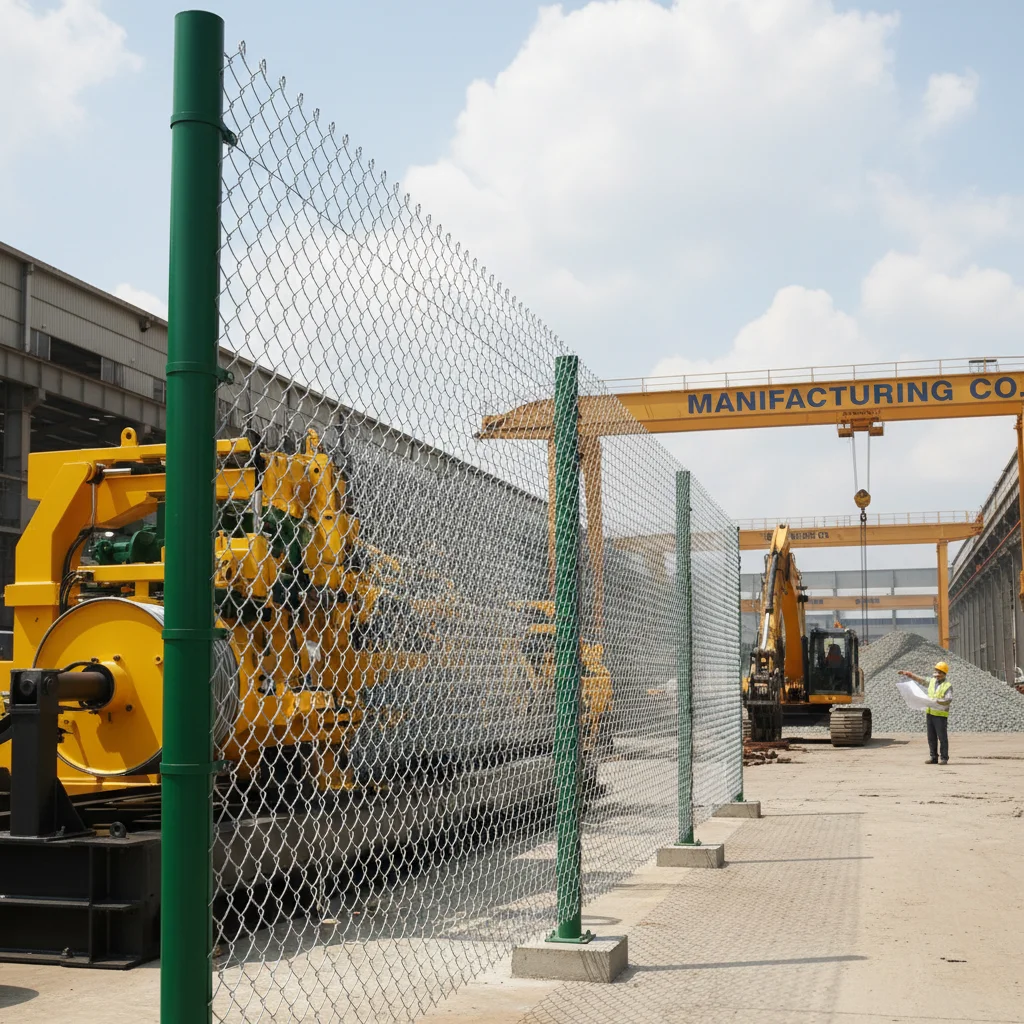
The barrier also supports workplace safety compliance. By establishing secure boundaries and preventing unauthorized access to hazardous areas, facilities can demonstrate adherence to industrial safety regulations. Open panels or mesh designs in some models allow visibility and airflow, enabling personnel to monitor machinery and inventory without compromising protection.
Maintenance is simple due to the barrier’s robust construction. The corrosion-resistant coating reduces the need for frequent repairs, and the steel structure provides long-term durability. Modular components can be replaced individually if damaged, ensuring cost-effective upkeep.
Overall, the Steel Defensive Barrier for Factory and Warehouse Protection combines strength, flexibility, and safety. It protects personnel and assets, improves workflow organization, reduces operational risks, and enhances regulatory compliance. Investing in this barrier system ensures a safer, more organized, and productive industrial environment, providing peace of mind for facility managers and operators.
1、How Steel Defensive Barrier for Factory and Warehouse Protection Prevents Accidents and Damage
In industrial environments such as factories, warehouses, and logistics centers, accidents and equipment damage are significant concerns that can disrupt operations and result in costly downtime. The Steel Defensive Barrier for Factory and Warehouse Protection is specifically designed to address these challenges by providing a robust, durable, and reliable solution for separating personnel, machinery, and inventory. By creating a physical barrier in high-traffic areas, these barriers prevent collisions, reduce workplace hazards, and protect valuable assets from damage.
Constructed from high-quality steel with reinforced posts and panels, the defensive barrier is engineered to withstand impacts from forklifts, pallet jacks, carts, and other industrial vehicles. The powder-coated or galvanized finish ensures corrosion resistance and long-term durability, even in demanding industrial conditions. This strength ensures that the barrier remains effective over time, maintaining safety standards and reducing maintenance costs associated with frequent replacements or repairs.
One of the primary ways this barrier prevents accidents is through clear separation of pedestrian and vehicle zones. In busy warehouses or factory floors, it is common for employees and machinery to operate in close proximity. The defensive barrier clearly delineates safe walking paths, machinery lanes, and storage zones, minimizing the risk of collisions and injuries. Optional high-visibility colors and reflective strips further enhance awareness, making hazardous areas immediately recognizable even in dim lighting conditions.
In addition to protecting personnel, the barrier safeguards equipment and inventory. Storage racks, machinery, and sensitive production areas are often vulnerable to accidental contact from moving vehicles. By placing steel defensive barriers strategically around critical assets, operators can prevent costly damage and avoid disruptions to workflow. The open design in some models allows visibility of stored goods while maintaining strong physical protection, ensuring both safety and operational efficiency.
The modular design of these barriers adds flexibility, allowing sections to be connected to cover long walkways, machine perimeters, or loading areas. Secure anchoring to the floor ensures stability, while still allowing relocation or reconfiguration when operational requirements change. This adaptability makes the barrier system ideal for evolving industrial layouts, supporting dynamic production processes without compromising safety.
Overall, the Steel Defensive Barrier for Factory and Warehouse Protection is a critical investment for industrial facilities seeking to prevent accidents and minimize equipment damage. Its combination of strength, visibility, and modular design ensures a safer environment for personnel, protects machinery and inventory, and enhances operational efficiency. By implementing these barriers, facilities can reduce workplace incidents, lower maintenance costs, and maintain a productive, organized, and safe industrial workspace.
2、Benefits of Steel Defensive Barrier for Factory and Warehouse Protection in Industrial Facilities
Industrial facilities, including warehouses, factories, and logistics centers, face daily challenges in maintaining safety, protecting equipment, and ensuring smooth operational flow. The Steel Defensive Barrier for Factory and Warehouse Protection offers numerous benefits that enhance workplace safety, reduce operational risks, and safeguard valuable assets. This heavy-duty barrier system is an essential component for any industrial facility seeking to improve efficiency and protect both personnel and machinery.
One of the most significant benefits is enhanced workplace safety. By providing a physical barrier between personnel and machinery, the steel defensive barrier minimizes the risk of accidents. Forklifts, carts, and other industrial vehicles frequently operate in close proximity to employees, creating potential hazards. Installing these barriers delineates clear pedestrian walkways, traffic lanes, and equipment zones, ensuring that staff can move safely around the facility. Optional high-visibility colors and reflective elements further improve awareness, helping prevent collisions even in low-light conditions.
Another key benefit is protection of equipment and inventory. Industrial machinery, storage racks, and sensitive production areas are prone to accidental contact that can cause damage or disrupt operations. By placing steel defensive barriers strategically around critical assets, facilities can prevent costly damage and reduce downtime caused by repairs or lost inventory. The barrier’s robust steel construction ensures that even high-impact collisions are absorbed without compromising structural integrity.
The modular and flexible design of the barrier provides additional advantages. Sections can be connected, expanded, or relocated as facility layouts change. This adaptability is particularly valuable in dynamic industrial environments where storage zones, production lines, or traffic patterns may shift frequently. Secure floor anchoring ensures stability while maintaining flexibility, allowing businesses to reconfigure safety infrastructure without extensive labor or downtime.
Steel defensive barriers also contribute to operational efficiency. By clearly defining zones for machinery, pedestrian paths, and storage areas, the barriers organize workflow and minimize confusion. Staff can easily navigate workspaces, reducing congestion and speeding up material handling processes. The open mesh or slotted design in some models allows visibility and ventilation while still providing strong protection, so personnel can monitor equipment and inventory without compromising safety.
Additionally, installing steel defensive barriers supports regulatory compliance. Many industrial safety standards require clear separation between machinery and personnel, and protective barriers demonstrate adherence to these regulations. This reduces liability for employers and reinforces a culture of safety within the facility.
Durability and low maintenance further enhance the benefits. The corrosion-resistant powder-coated or galvanized finish ensures that the barriers remain functional over long periods, reducing the need for frequent replacements or repairs. This long-term reliability makes steel defensive barriers a cost-effective investment for industrial safety.
In summary, the Steel Defensive Barrier for Factory and Warehouse Protection improves workplace safety, protects equipment and inventory, enhances operational efficiency, and supports regulatory compliance. Its strength, modularity, and visibility make it an indispensable solution for industrial facilities seeking a safer, more organized, and productive environment.
3、Installation and Applications of Steel Defensive Barrier for Factory and Warehouse Protection in Warehouses and Factories
Proper installation and strategic placement of the Steel Defensive Barrier for Factory and Warehouse Protection are essential for maximizing workplace safety and protecting valuable assets. Industrial environments, including warehouses, factories, logistics centers, and production facilities, often involve high-traffic areas where heavy machinery and personnel operate simultaneously. These barriers serve as a durable and effective solution to prevent accidents, minimize equipment damage, and maintain organized operations.
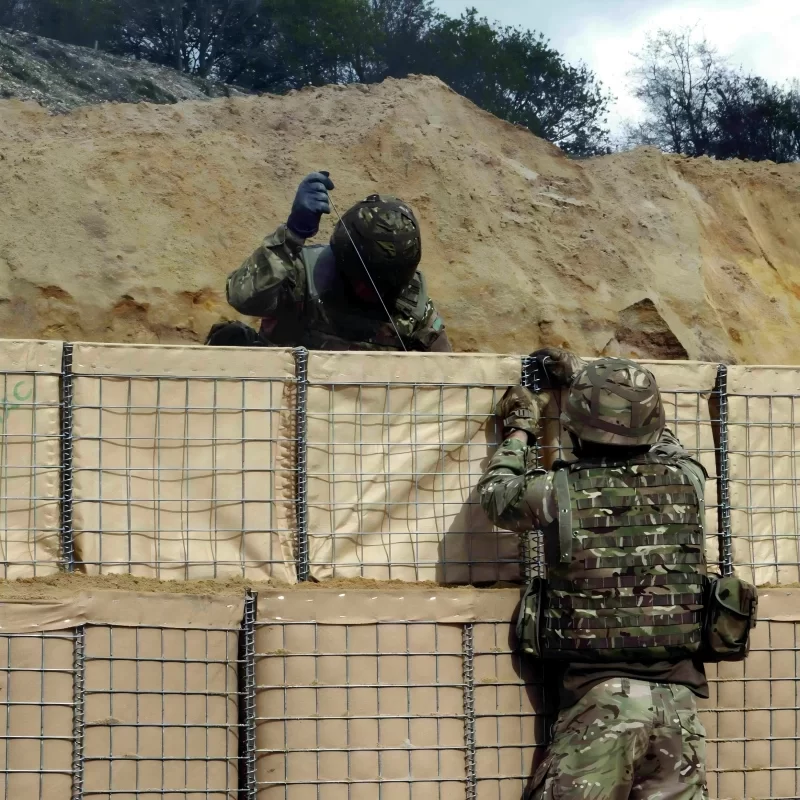
The installation process of steel defensive barriers is designed to be straightforward and efficient. Each barrier section is modular, allowing for easy assembly, connection, and customization to fit various floor plans. The barriers can be anchored securely to concrete floors using standard fasteners, ensuring stability even under heavy impacts from forklifts, pallet jacks, or carts. Modular components can also be replaced individually in case of damage, reducing downtime and maintenance costs. Optional features, such as high-visibility panels, reflective strips, or signage, can be added during installation to enhance visibility and further improve safety.
In terms of applications, these defensive barriers are versatile and can be used in a variety of industrial settings. In warehouses, they are commonly installed to separate pedestrian walkways from vehicle lanes, protect storage racks, and create clear traffic patterns. This organization reduces collisions, prevents product damage, and improves operational efficiency. In factories, barriers are often positioned around machinery, assembly lines, and hazardous areas to prevent accidental contact and protect both personnel and equipment.
Steel defensive barriers are also widely used in logistics centers and distribution facilities to safeguard loading docks, conveyor systems, and material handling areas. By providing clear separation between moving vehicles and stationary inventory, these barriers minimize the risk of accidents during loading and unloading operations. The robust steel construction ensures that the barriers withstand repeated impacts without losing structural integrity, making them a reliable long-term investment.
Another important application is in custom safety zones. Industrial facilities with complex layouts can create protected areas around sensitive equipment, hazardous materials, or high-traffic intersections. The modular nature of the barriers allows for flexible layouts, enabling facility managers to expand, relocate, or reconfigure protective zones as operational needs change. This adaptability makes them suitable for growing or evolving industrial environments.
Furthermore, steel defensive barriers contribute to regulatory compliance by providing physical separation between personnel and machinery, which is often required by workplace safety standards. Clearly defined protective zones help organizations meet safety regulations while reducing liability and promoting a culture of workplace safety.
Overall, the Steel Defensive Barrier for Factory and Warehouse Protection is not only durable and impact-resistant but also highly versatile and adaptable to different industrial layouts. Its easy installation, modular design, and wide range of applications make it an essential safety solution for warehouses, factories, and logistics centers, ensuring the protection of personnel, equipment, and inventory while enhancing overall operational efficiency.
If you have any camping barbeque equipment inquiry, please feel free to contact us.