
Get in touch
When it comes to securing vast perimeters, from industrial complexes to agricultural lands, the chain fence remains an unparalleled standard for reliability and versatility. Its distinctive woven structure provides a robust physical barrier that balances visibility with security, making it a preferred choice for those who need to define boundaries without completely obstructing the view of the landscape.
Across the globe, the demand for high-quality fencing solutions has surged as urban expansion and the need for livestock management increase. Understanding the technical nuances of wire gauge, coating materials, and weaving patterns is essential for selecting a system that can withstand harsh environmental conditions while maintaining structural integrity over decades of use.
By integrating modern metallurgical advancements with traditional weaving techniques, today's chain link systems offer a sustainable and cost-effective approach to security. Whether you are protecting a high-value construction site or managing a family farm, choosing the right chain fence ensures long-term peace of mind and operational efficiency.
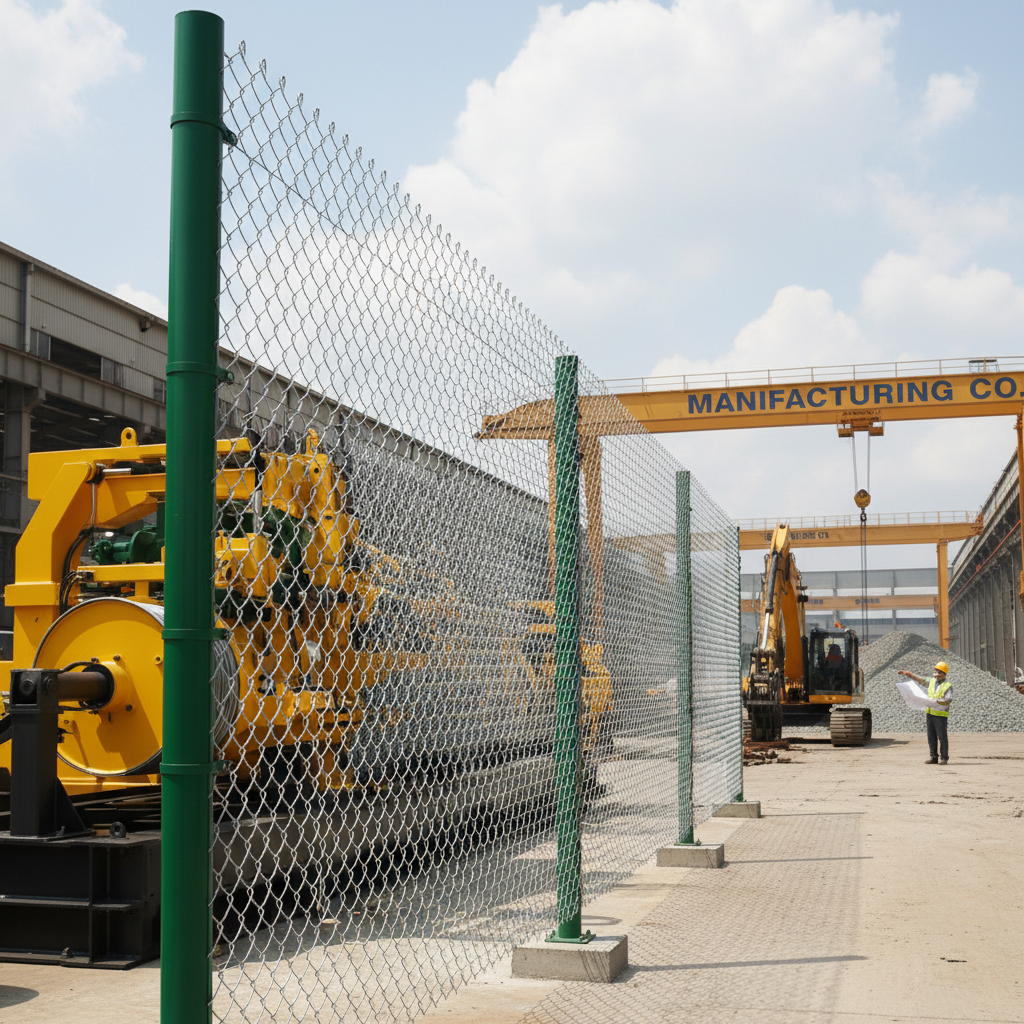
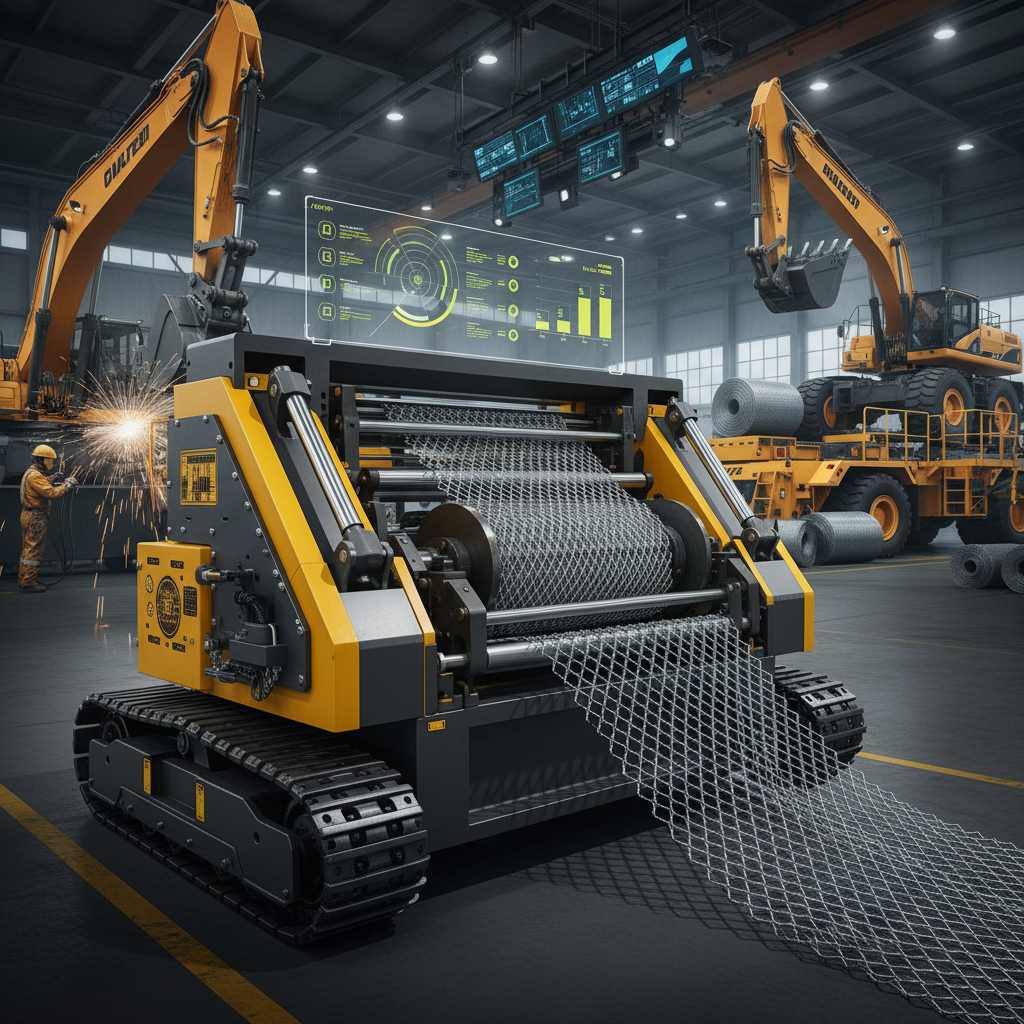
The global security and agricultural markets have seen a consistent reliance on the chain fence due to its adaptability to various terrains and climates. From the ISO standards governing galvanized steel to the massive infrastructure projects in developing nations, the utilization of woven wire mesh is a cornerstone of physical asset protection.
In an era where rapid urbanization is the norm, the challenge lies in creating boundaries that are both secure and breathable. The industry has shifted toward high-tensile materials that reduce the total amount of steel required while increasing the overall strength of the barrier, reflecting a global trend toward resource efficiency and sustainable manufacturing.
Choosing the right gauge depends on your security needs. For residential or light agricultural use, a 11 or 12.5 gauge is usually sufficient. However, for industrial sites or high-security perimeters, a 9 gauge wire is recommended as it is significantly thicker and harder to cut or deform.
Galvanized is excellent for general durability and cost-effectiveness. PVC coating is superior for environments with high moisture, salt, or chemicals, as it adds an extra plastic barrier over the galvanized steel, further preventing rust and offering a cleaner aesthetic choice.
Yes, chain link fences are highly adaptable. They can be installed using a "raking" technique, where the mesh is stretched to follow the contour of the slope. This ensures that the boundary remains continuous and secure even on hilly landscapes.
With high-quality hot-dipped galvanization and proper installation, a chain fence can easily last 20 to 50 years. The lifespan depends heavily on the environmental exposure and the quality of the coating used to protect the steel core.
Yes, it is one of the most sustainable fencing options. Steel is highly recyclable, and because of its extreme longevity, it requires far fewer replacements than wood or plastic alternatives, reducing the total carbon footprint over the life of the installation.
Prevention starts with using a top rail and a tension wire at the bottom. Ensuring that the fence is stretched using a professional fence stretcher during installation is crucial to maintaining the diamond shape and preventing the mesh from drooping.



If you are interested in our products, you can choose to leave your information here, and we will be in touch with you shortly.


