Everything You Need to Know About a 150 ft Chain Link Fence
When considering perimeter security or defining property lines, a 150 ft chain link fence is a popular and cost-effective solution. Its durability, versatility, and relatively easy installation make it a go-to choice for residential, commercial, and industrial applications. This article dives deep into everything you need to know about a 150 ft chain link fence, covering costs, installation, materials, and maintenance to help you make an informed decision. Understanding your options will ensure you get a fence that provides lasting security and value.
Understanding the Components of a 150 ft Chain Link Fence
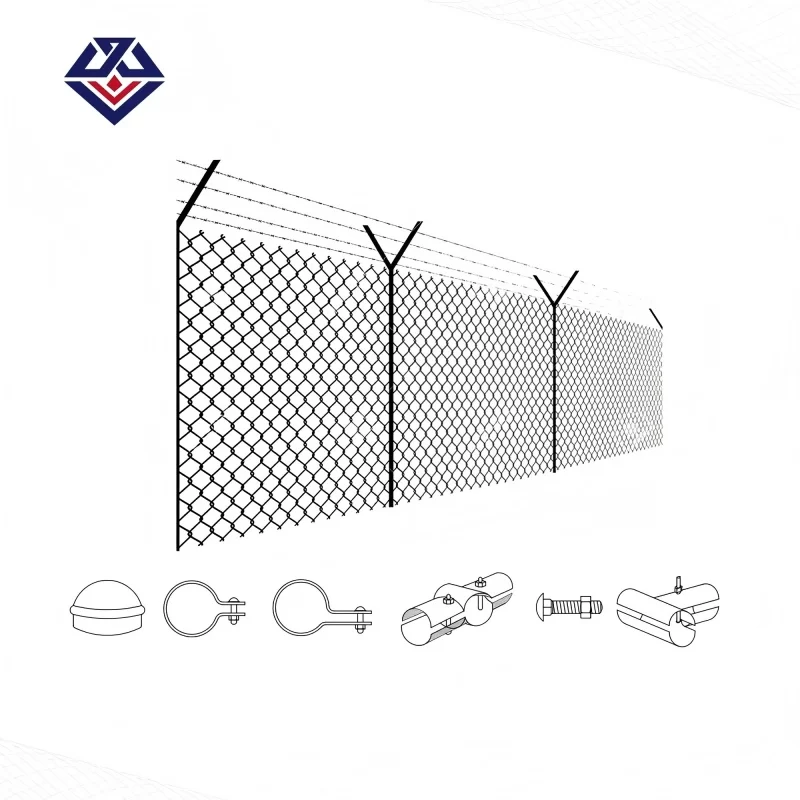
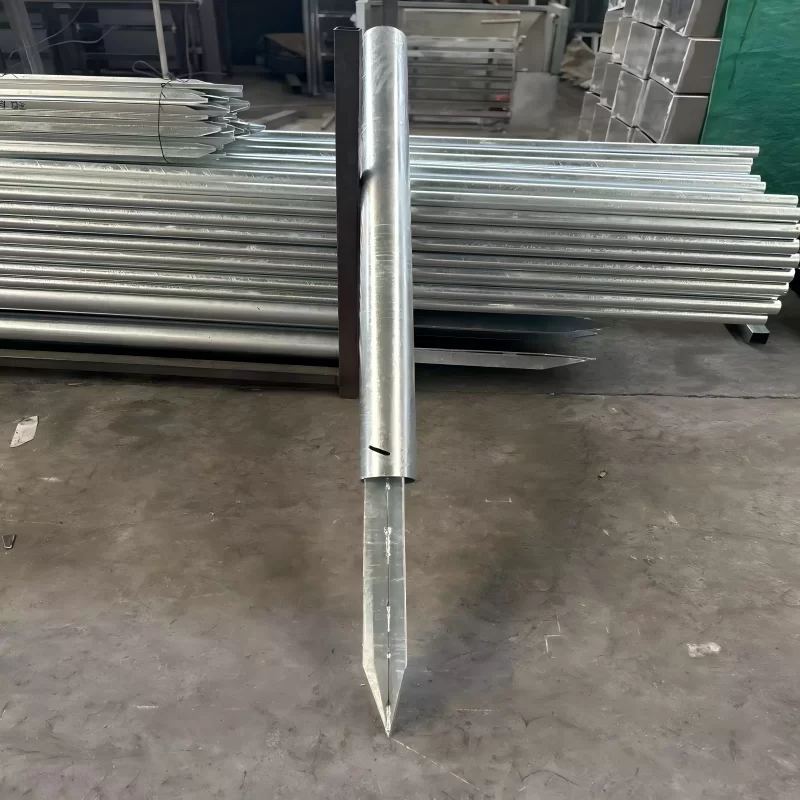
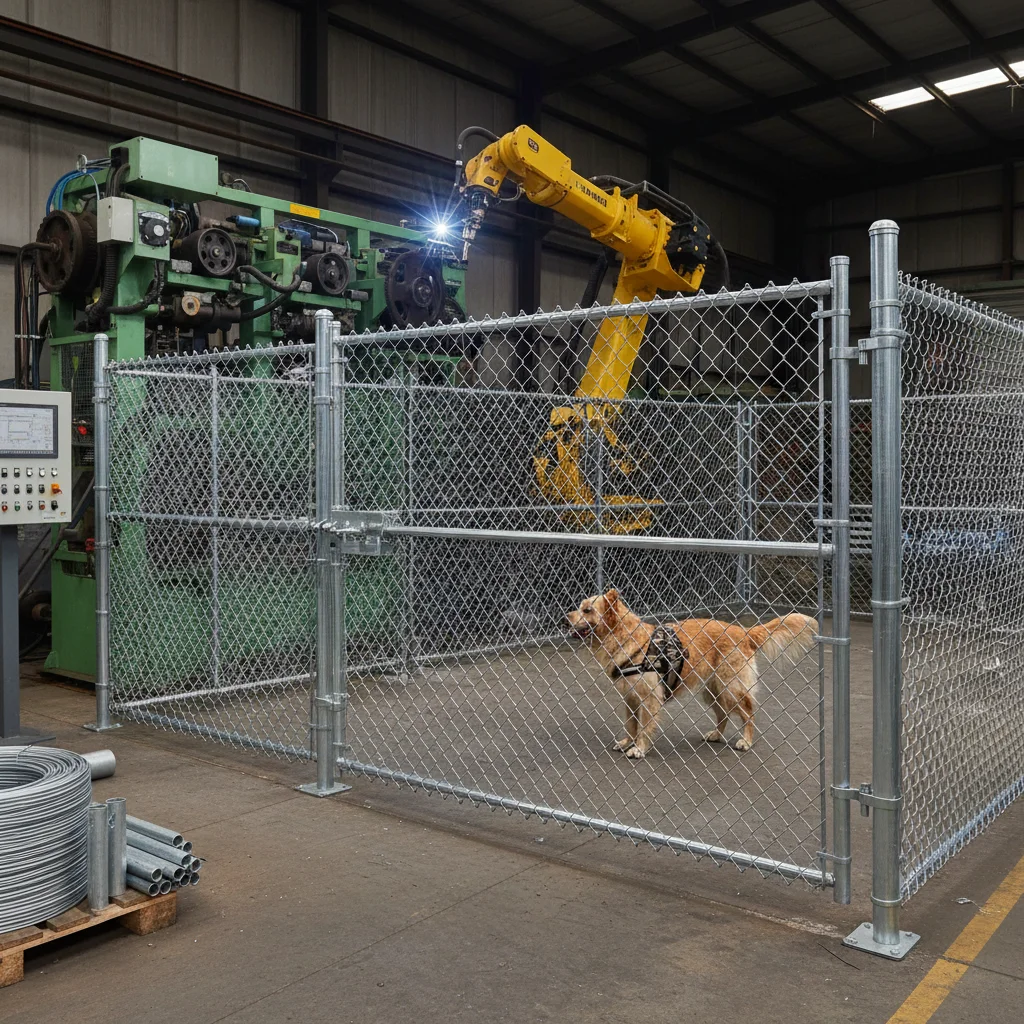
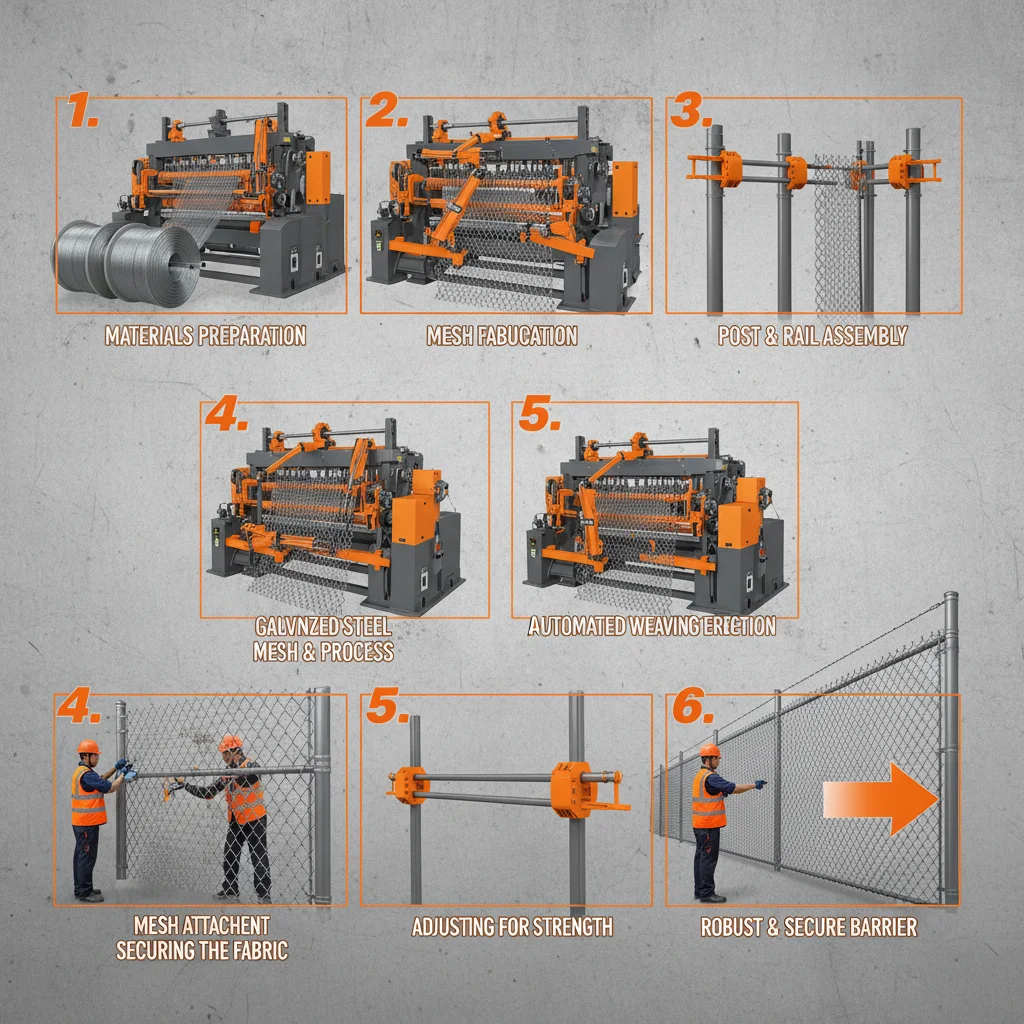
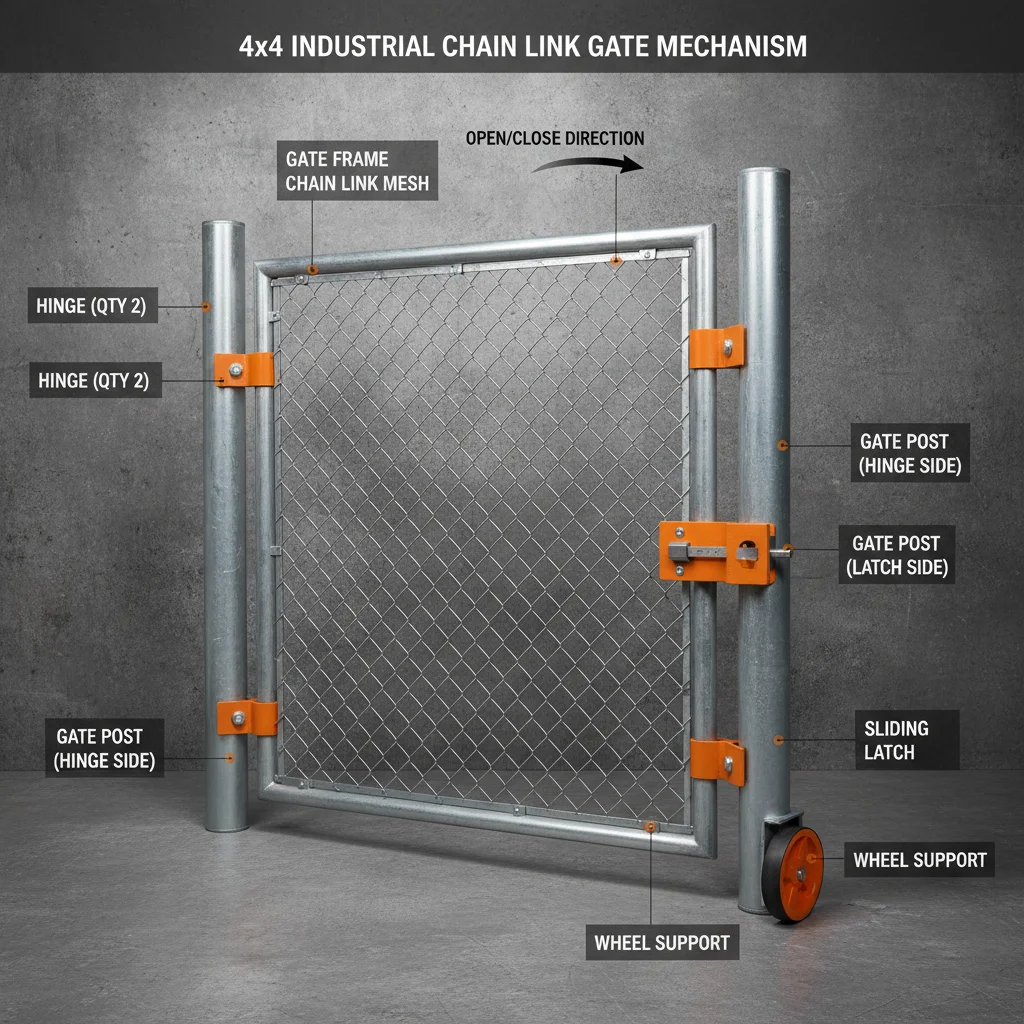
A 150 ft chain link fence isn't just the woven wire mesh. Several crucial components work together to create a secure and lasting barrier. These include the chain link fabric itself, posts (line posts, corner posts, and gate posts), top rail, tension wire, rail bands, brace bands, and hardware like tie wires and tension bands. The gauge (thickness) of the wire, the post size, and the quality of the hardware significantly impact the fence's durability and longevity. Choosing the right materials for your specific needs – whether it's resisting corrosion in a coastal environment or withstanding heavy winds – is vital. A professional fence contractor, like Cowan Fences, can guide you through these choices.
Key Takeaway: The quality of materials directly correlates to the lifespan and performance of your 150 ft chain link fence. Don't cut corners on essential components.
Cost Breakdown: What to Expect for a 150 ft Chain Link Fence
The cost of a 150 ft chain link fence varies depending on several factors, including the height of the fence, the gauge of the wire, the type of posts (steel or aluminum), and whether you opt for professional installation. Here's a general breakdown:
DIY vs. Professional Installation: Which is Right for You?
While a DIY installation of a 150 ft chain link fence can save on labor costs, it's a physically demanding task requiring specialized tools and knowledge. Incorrect installation can compromise the fence's integrity and lead to premature failure. A professional installation ensures proper post depth, tensioning, and gate alignment, guaranteeing a secure and long-lasting fence. Consider your skill level, time constraints, and the potential for errors before deciding to tackle this project yourself. Cowan Fences offers professional installation services and can provide a free quote for your project.
Choosing the Right Chain Link Fabric & Gauge
Chain link fabric comes in various gauges (wire thickness) and coatings. The gauge is expressed as a number; a lower number indicates a thicker, more durable wire. Common gauges include 9, 11, and 14. For residential applications, a 14-gauge chain link is often sufficient. However, for higher security or commercial applications, 11 or 9-gauge is recommended. Coatings include galvanized steel (for rust resistance), vinyl-coated steel (for aesthetics and added protection), and aluminum (for superior corrosion resistance, especially in coastal areas). Consider your climate and security needs when selecting the appropriate fabric and coating.
Maintaining Your Chain Link Fence for Longevity
Regular maintenance can significantly extend the life of your 150 ft chain link fence. This includes periodic cleaning to remove dirt, debris, and vegetation. Inspect the fence regularly for any signs of damage, such as broken wires, loose tension bands, or rusted components. Address any issues promptly to prevent them from escalating. Applying a rust inhibitor to galvanized steel fences can also help prevent corrosion. With proper care, your chain link fence will provide years of reliable service.
Conclusion: A Secure Investment
A 150 ft chain link fence offers a practical and cost-effective solution for perimeter security and property delineation. By understanding the components, costs, installation options, and maintenance requirements, you can make an informed decision and choose a fence that meets your specific needs and provides lasting value. Don’t hesitate to reach out to experienced professionals like Cowan Fences for expert advice and a seamless installation process.
Frequently Asked Questions (FAQs)
How long does a chain link fence typically last?
With proper installation and maintenance, a chain link fence can last 15-30 years or even longer. The lifespan depends on the gauge of the wire, the coating, the climate, and the level of maintenance performed. Galvanized steel fences typically last longer than non-coated steel, while vinyl-coated or aluminum fences offer even greater longevity, particularly in corrosive environments. Regularly inspecting and addressing any damage will maximize the fence's lifespan.
What is the recommended post spacing for a 150 ft chain link fence?
Generally, post spacing for chain link fences is 8-10 feet apart. However, this can vary depending on the height of the fence and the terrain. Corner posts and gate posts require more substantial bracing and should be set more deeply into the ground. It’s crucial to follow manufacturer’s recommendations and local building codes regarding post spacing and depth. Consulting with a professional fence installer, like those at Cowan Fences, will ensure correct post placement and structural integrity.
Can a chain link fence be installed on a sloped yard?
Yes, a chain link fence can be installed on a sloped yard, but it requires careful planning and installation techniques. The fence can be stepped (following the contour of the slope), or it can be raked (maintaining a consistent height above the ground, resulting in varying post heights). Raking is generally preferred for aesthetics and security, but it requires more materials and labor. A professional fence installer will assess the slope and recommend the best installation method.
What local permits are needed for installing a chain link fence?
Permit requirements vary depending on your location and the height of the fence. Many municipalities require permits for fences exceeding a certain height (typically 6 feet). It’s essential to check with your local building department before starting any fence installation project to ensure compliance with all regulations. Failure to obtain necessary permits can result in fines or the need to remove the fence.