Understanding the Strength and Versatility of a 1 Chain Link Fence
A 1 chain link fence is a foundational element in security and property demarcation. Known for its affordability, durability, and versatility, it remains a popular choice for residential, commercial, and industrial applications. This guide will explore the benefits, applications, installation considerations, and maintenance of 1 chain link fences, providing comprehensive information for property owners and those considering this fencing solution. Choosing the right fence material can be challenging, but understanding the inherent strengths of a chain link fence is a great starting point.
Benefits of Choosing a 1 Chain Link Fence
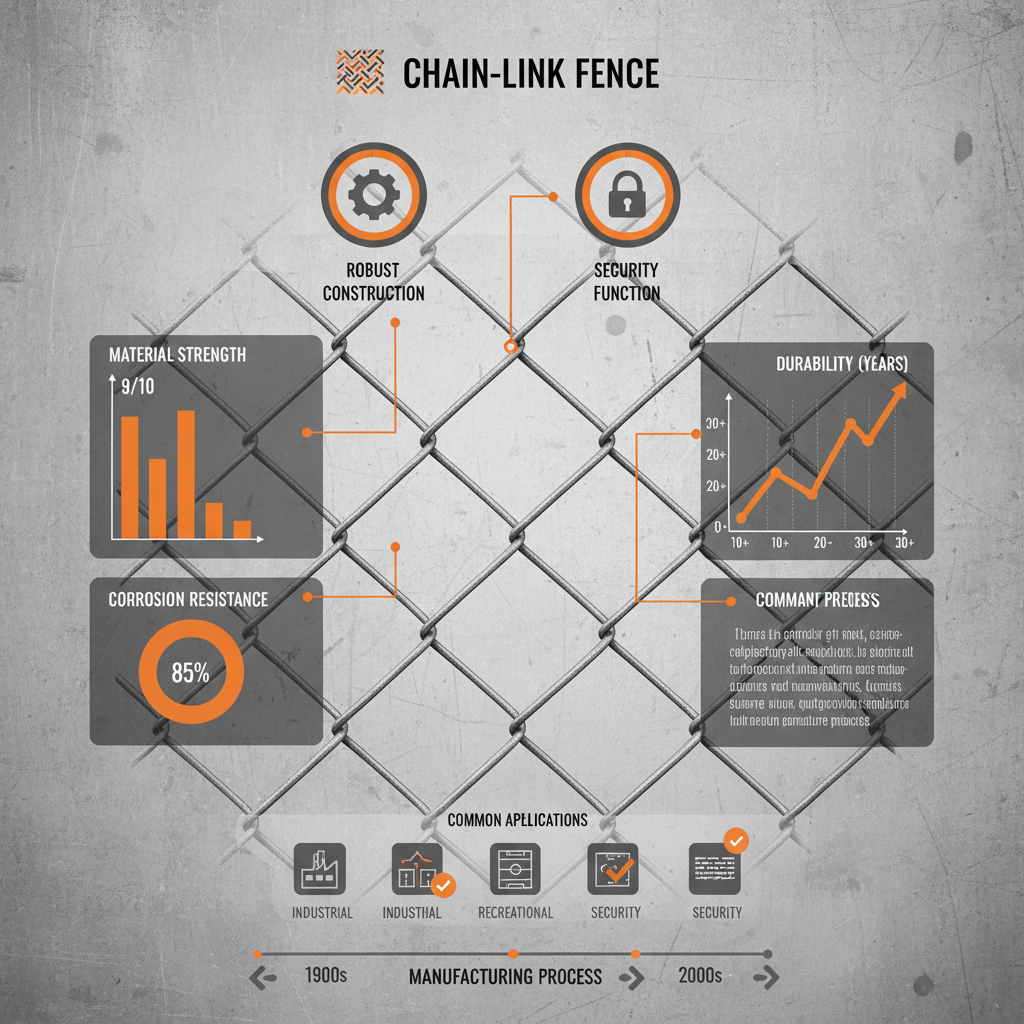
One of the most compelling advantages of a 1 chain link fence is its cost-effectiveness. Compared to other fencing materials like wood, vinyl, or wrought iron, chain link offers a significantly lower upfront investment. Beyond affordability, chain link fences are remarkably durable and require minimal maintenance. The galvanized steel construction resists rust and corrosion, ensuring a long service life. They're also transparent, offering visibility while still providing a secure perimeter. This visibility can be advantageous for security purposes, allowing for easy monitoring of the property. A well-installed chain link fence delivers reliable security without obstructing views.
Key Highlights: Cost-effective, durable, low maintenance, excellent visibility, and suitable for various applications.
Common Applications for 1 Chain Link Fencing
The versatility of a 1 chain link fence makes it suitable for a wide range of applications. Residential homeowners often use it to enclose backyards, protect gardens, and keep pets safely contained. Commercial properties utilize chain link for perimeter security, parking lot enclosures, and storage area protection. Industrial facilities rely on it for high-security applications, protecting equipment and preventing unauthorized access. Sports fields and playgrounds frequently employ chain link to define boundaries and provide spectator control. Schools and parks also utilize chain link for safety and security purposes.
Application Areas:
• Residential Yards & Gardens
• Commercial Perimeter Security
• Industrial Facilities
• Sports Fields and Playgrounds
1 Chain Link Fence: Comparing Gauge and Height Options
Selecting the right gauge and height of chain link fabric is critical for optimal security and durability. The gauge refers to the thickness of the wire used to create the mesh, with lower numbers indicating thicker, stronger wire. Height is determined by the intended application and security needs. Here's a comparative overview:
Installation Considerations for a Long-Lasting Fence
Proper installation is paramount for the longevity and effectiveness of your 1 chain link fence. Begin by carefully planning the fence line and marking post locations. Posts should be set in concrete footings to ensure stability. The spacing between posts typically ranges from 8 to 10 feet. Correct tensioning of the chain link fabric is critical, preventing sagging and ensuring a secure barrier. Consider utilizing a professional fencing contractor, like Cowan Fences, to ensure a high-quality installation.
Maintenance Tips to Extend the Life of Your Chain Link Fence
While chain link fences require minimal maintenance, regular care can significantly extend their lifespan. Periodically inspect the fence for signs of rust or corrosion, and address any issues promptly. Remove any vegetation growing on or around the fence, as it can trap moisture and accelerate deterioration. A yearly cleaning with mild soap and water can help remove dirt and grime. Tighten any loose hardware, such as tension bands or brace bands. With proper maintenance, your 1 chain link fence will provide years of reliable security and protection.
Conclusion: A Secure and Reliable Fencing Solution
A 1 chain link fence represents a smart investment for property owners seeking a cost-effective, durable, and versatile fencing solution. From residential enclosures to high-security industrial applications, chain link provides reliable protection and peace of mind. With proper installation and routine maintenance, a chain link fence can serve your needs for years to come.
Frequently Asked Questions (FAQs)
What is the typical lifespan of a galvanized chain link fence?
A properly installed and maintained galvanized chain link fence can last for 15-20 years or even longer. The lifespan depends on factors such as climate, exposure to salt (near coastal areas), and the quality of the galvanization process. Regularly inspecting for and addressing any signs of rust or corrosion will significantly extend the fence’s life. Consider adding vinyl coating for even greater protection against the elements.
Can a chain link fence be used on sloped terrain?
Yes, a chain link fence can be installed on sloped terrain, but it requires careful planning and installation techniques. The posts must be stepped to follow the contour of the slope, ensuring the fence maintains a consistent height and tension. This may involve using different post heights and adjusting the amount of chain link fabric used in each section. Professional installation is highly recommended for sloped terrain.
What is the best way to prevent rust on a chain link fence?
The best way to prevent rust is to choose galvanized or vinyl-coated chain link fabric and hardware. Galvanization provides a protective layer of zinc that prevents corrosion. Vinyl coating adds an extra layer of protection and also enhances the aesthetic appearance of the fence. Regularly cleaning the fence to remove dirt and grime and applying a rust inhibitor can also help prevent rust formation.