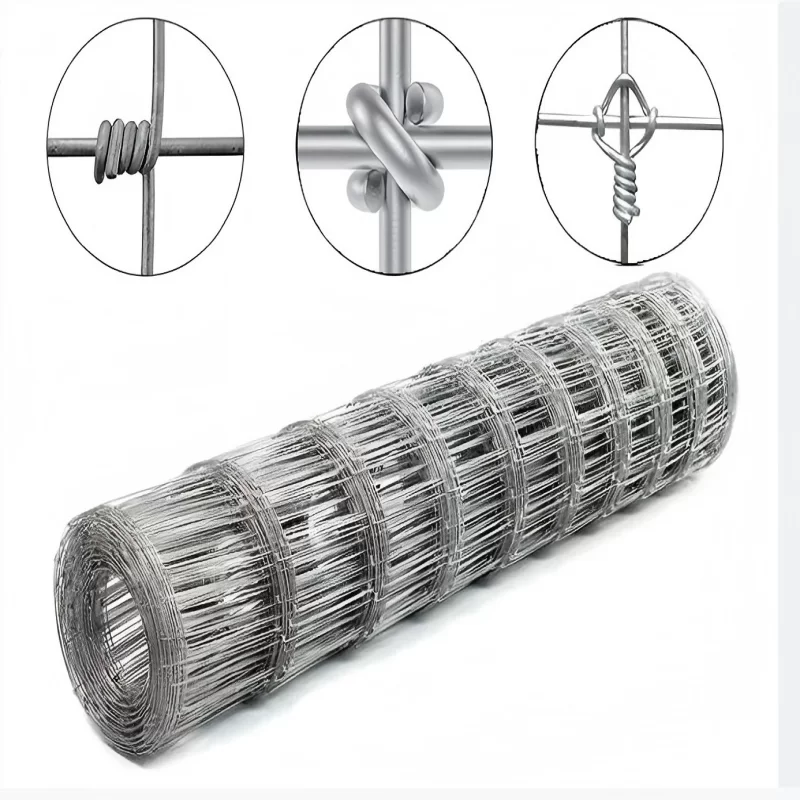
In South Sudan, the fencing industry is heavily influenced by a tropical savanna climate characterized by extreme wet and dry seasons. The high humidity during the rainy season accelerates oxidation in low-quality metals, making the gi wire fencing cost a critical consideration for local contractors who must balance initial investment with the lifespan of the galvanized coating.
Urban centers like Juba are seeing a surge in construction for administrative and commercial hubs, creating a high demand for iron chain link fence systems. However, the lack of local high-precision manufacturing machinery means most materials are imported, leading to inconsistencies in wire gauge and weaving tension across different project sites.
Furthermore, the agricultural sector in the Nile basin requires specialized boundaries. The transition toward professional garden chain link fence installations is becoming evident as commercial farming expands, requiring equipment that can produce consistent mesh sizes to deter local wildlife while remaining cost-effective.