High-Performance interlink wire fence Solutions for Myanmar Infrastructure

Providing industrial-grade fencing machinery and precision-engineered wire products tailored for the demanding climates and architectural needs of Myanmar.

High-Performance interlink wire fence Solutions for Myanmar Infrastructure

Integrating advanced manufacturing technology to deliver durable, corrosion-resistant fencing systems that secure Myanmar's expanding industrial and residential sectors.

Current Landscape of Fencing Infrastructure in Myanmar

Analyzing the intersection of humid tropical climates and industrial growth.

Myanmar's fencing market is currently characterized by a rapid transition from makeshift bamboo or low-grade steel barriers to standardized industrial solutions. Due to the high humidity and monsoon seasons in regions like Yangon and Mandalay, there is a critical demand for materials that can withstand extreme oxidation, making the gi wire fencing cost a primary consideration for local procurement managers who seek a balance between longevity and budget.

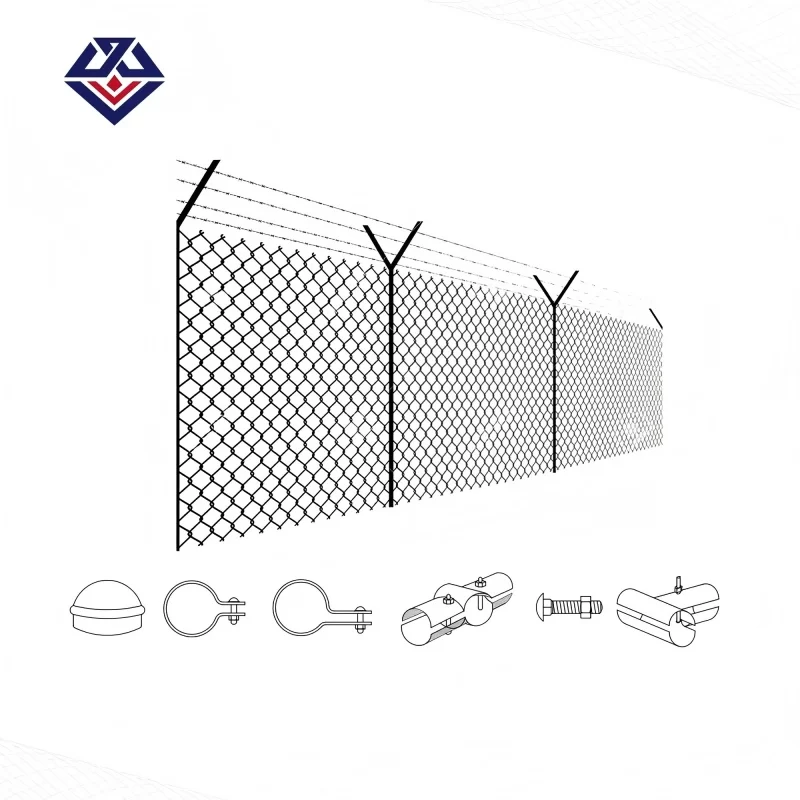
In the agricultural and residential sectors, the adoption of the garden chain link fence has surged. As urban expansion continues, homeowners are shifting toward modular systems that offer visibility without compromising security, requiring machinery that can produce consistent diamond meshes with high tensile strength.

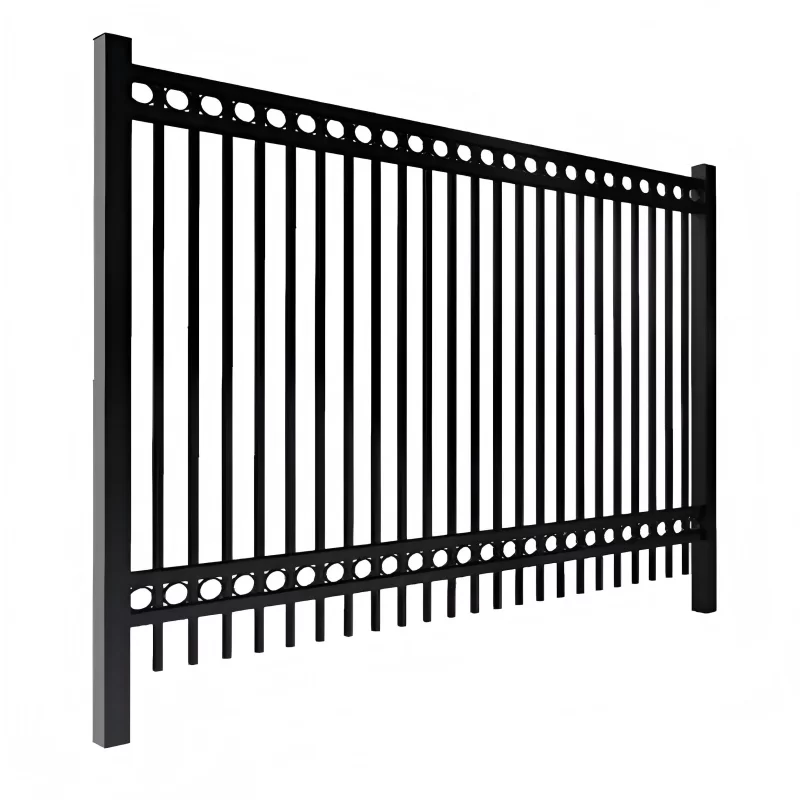
Furthermore, the construction of Special Economic Zones (SEZs) has escalated the need for heavy-duty perimeter security. This has led to an increased procurement of iron chain link fence systems, where the structural integrity of the weaving process is paramount to prevent sagging over large spans of industrial terrain.
Evolution and Technical Trajectory of Wire Manufacturing

From manual weaving to automated precision engineering.

Market Development History

Prior to 2010, the Myanmar market relied heavily on manual weaving and imported second-hand machinery. Fencing was largely utilitarian, with limited options for customized gauges or specialized coatings, leading to frequent failures in high-moisture environments.

Between 2012 and 2020, the introduction of semi-automated CNC wire weaving machines allowed for the production of more consistent interlink wire fence designs. This period saw a shift toward Galvanized Iron (GI) standards, reducing the maintenance cycle for industrial sites.

Since 2021, the industry has embraced fully automated production lines. Modern machinery now allows for precise control over wire tension and knotting, enabling the mass production of heavy-duty gates and high-security mesh that meet international ISO standards.

Future Development Trends

Integration of Smart Coatings

We predict a shift toward hybrid zinc-aluminum coatings that provide 3x the corrosion resistance of standard GI, specifically targeting the coastal regions of Myanmar.

Automated Large-Scale Fabrication

The demand for the large chain link fence gate will drive the adoption of robotic welding and assembly lines to ensure structural symmetry and durability.

Sustainability in Raw Materials

Google search trends indicate a rising interest in "Eco-friendly fencing," suggesting a move toward recycled steel and non-toxic powder coatings in the next 3-5 years.

Industrial Outlook and Technological Forecasting

Strategic projections for the building materials machinery sector.

Precision Automation
Transitioning to PLC-controlled weaving machines to eliminate human error in mesh consistency.
Anti-Corrosive Engineering
Developing specialized galvanizing equipment to handle Myanmar's high-salinity coastal air.
Modular Design Systems
Shifting toward prefabricated fence panels that reduce on-site labor and installation time.
Scalable Production
Implementing scalable machinery that allows small factories to expand capacity rapidly.

Industry Outlook

The synergy between the construction of new industrial zones and the demand for high-security perimeters will propel the market for specialized fencing machinery. We expect a compound annual growth rate (CAGR) increase in the procurement of automated weaving lines.

As Myanmar integrates further into regional trade networks, the standardization of fencing products to meet international security grades will become the primary competitive advantage for local manufacturers.

Localized Application Scenarios in Myanmar

Practical implementations across various sectors of the Myanmar economy.

1. Industrial Zone Perimeter Security

Utilizing heavy-duty iron chain link fence to secure manufacturing plants in the Thilawa Special Economic Zone, ensuring high resistance to unauthorized entry.

2. Tropical Residential Landscaping

Deploying the garden chain link fence for urban villas in Yangon, providing a secure yet aesthetically pleasing boundary that allows airflow in humid weather.

3. Agricultural Boundary Management

Implementing cost-effective solutions where the gi wire fencing cost is optimized for large-scale rubber and tea plantations in the Shan State.

4. High-Traffic Commercial Access

Installation of the large chain link fence gate for logistics hubs and warehouses, facilitating the movement of heavy machinery while maintaining site integrity.

5. Infrastructure Project Enclosures

Using precision interlink wire fence for temporary and permanent enclosures around bridge and road construction sites to ensure worker safety.

Brand Story

Global Development Journey of Anping County Kewang Machinery Manufacturing Co., Ltd.

Foundational Engineering

Established with a mission to revolutionize wire mesh production, focusing on the core mechanics of tensile strength and weaving precision.

Technological Pivot

Transitioned from manual machinery to CNC-driven automation, solving the industry pain point of uneven mesh apertures.

Global Expansion

Expanded operations to Southeast Asia, adapting machinery to withstand the extreme humidity of regions like Myanmar.

Innovation Leadership

Developed the latest generation of high-speed weaving lines that reduce energy consumption by 20% while increasing output.

Future Vision

Committing to "Smart Manufacturing," integrating IoT monitoring into fencing machinery for real-time quality control.

Complete Fencing Machinery Portfolio for Myanmar

Comprehensive equipment solutions for every scale of production.

Myanmar Fencing Industry FAQ

Technical answers for local manufacturers and procurement officers.

How does the climate in Myanmar affect the gi wire fencing cost?

High humidity increases the need for thicker zinc coatings (Heavy Galvanized), which slightly raises the initial cost but drastically reduces long-term replacement expenses in tropical environments.

What is the best machine for producing a garden chain link fence?

Our automated small-gauge weaving machines are ideal for residential fences, ensuring smooth edges and consistent diamond shapes for a professional finish.

Is an interlink wire fence suitable for heavy industrial use?

Yes, when produced with high-tensile steel and precise interlocking mechanisms, it provides superior structural stability compared to traditional welded mesh.

How can I ensure the durability of an iron chain link fence?

Durability is ensured through hot-dip galvanization and the use of high-precision weaving machinery that prevents wire overlapping and friction points.

What specifications are needed for a large chain link fence gate?

For large gates, we recommend a wire gauge of 3mm or above with reinforced frame welding to prevent sagging under its own weight.

What is the typical lead time for machinery installation in Myanmar?

Depending on the complexity of the line, installation typically takes 2-4 weeks, including operator training and calibration for local raw materials.

Expert Fencing Solutions for Myanmar

Ready to upgrade your production capabilities in Myanmar? Our engineers are available for technical consultation and customized machinery design.

Contact Us Now

If you are interested in our products, you can choose to leave your information here, and we will be in touch with you shortly.