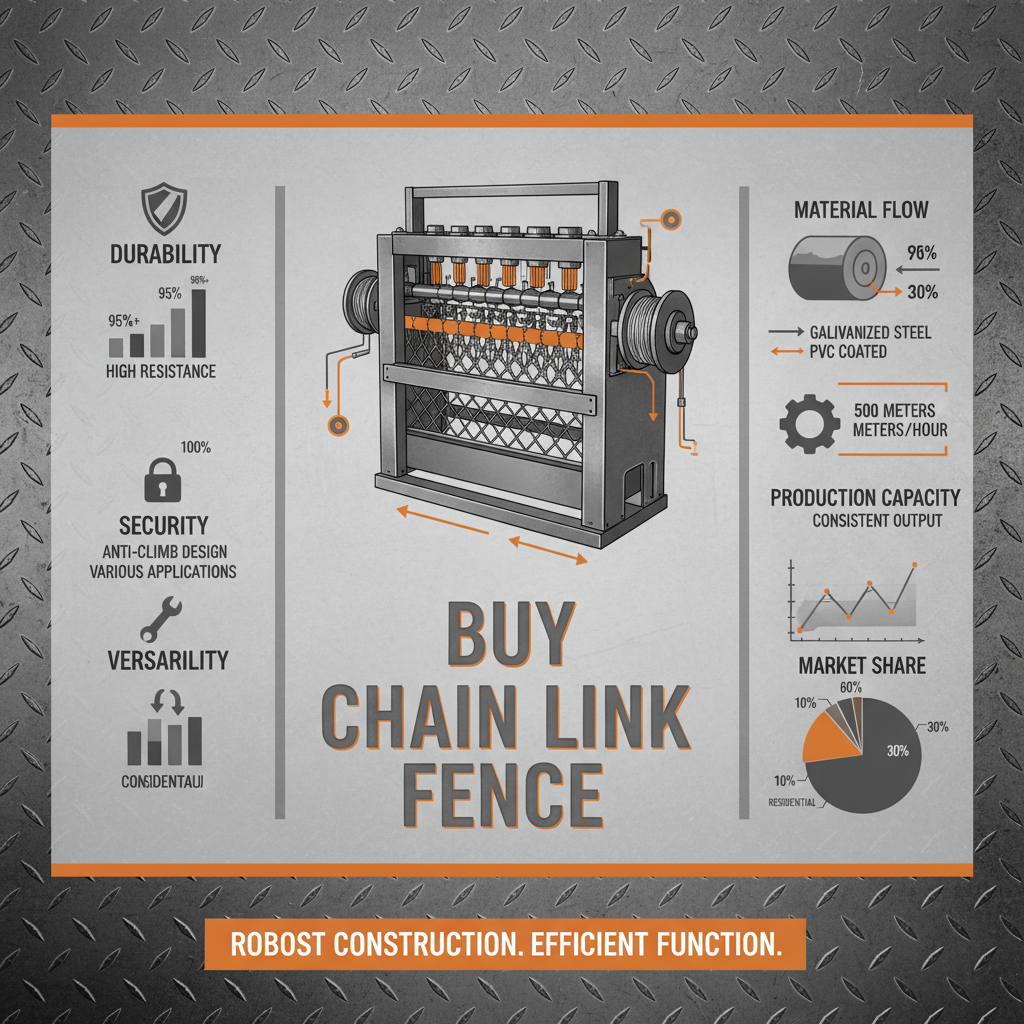
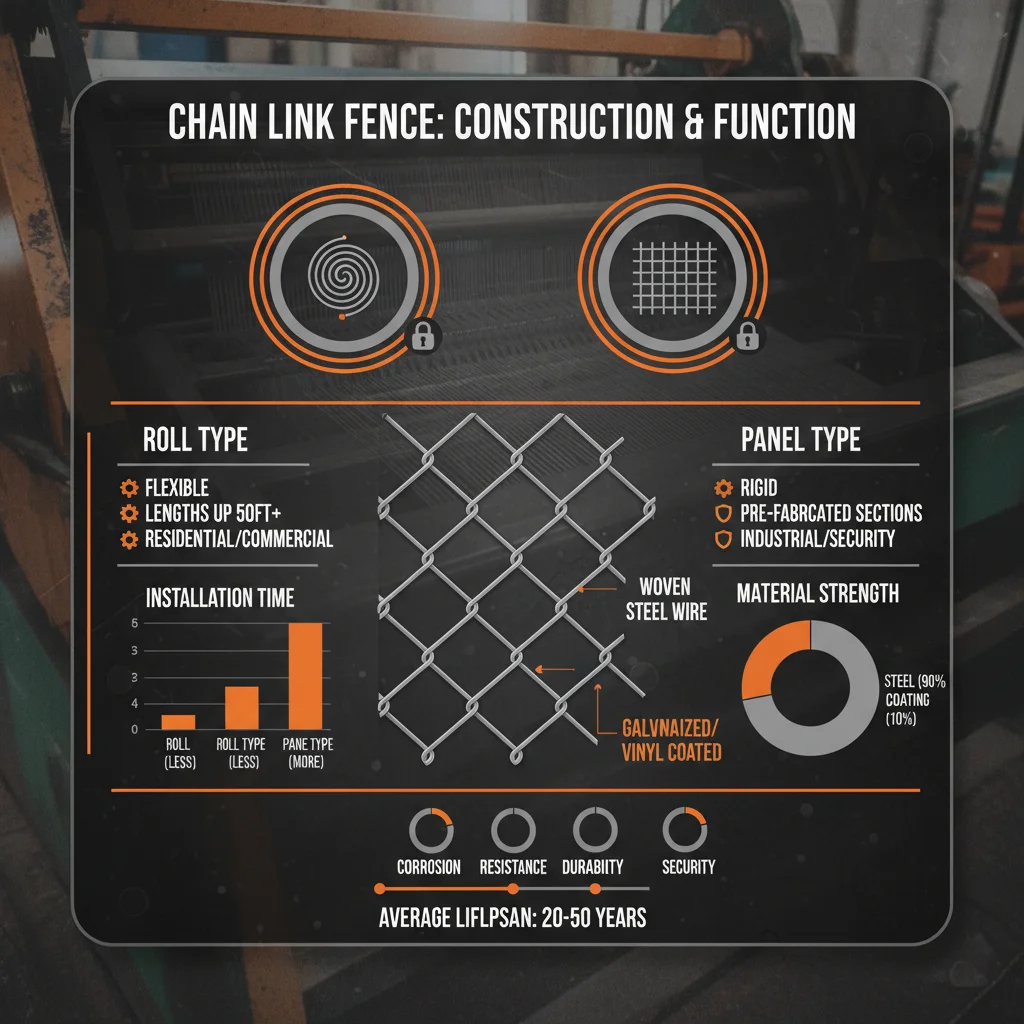
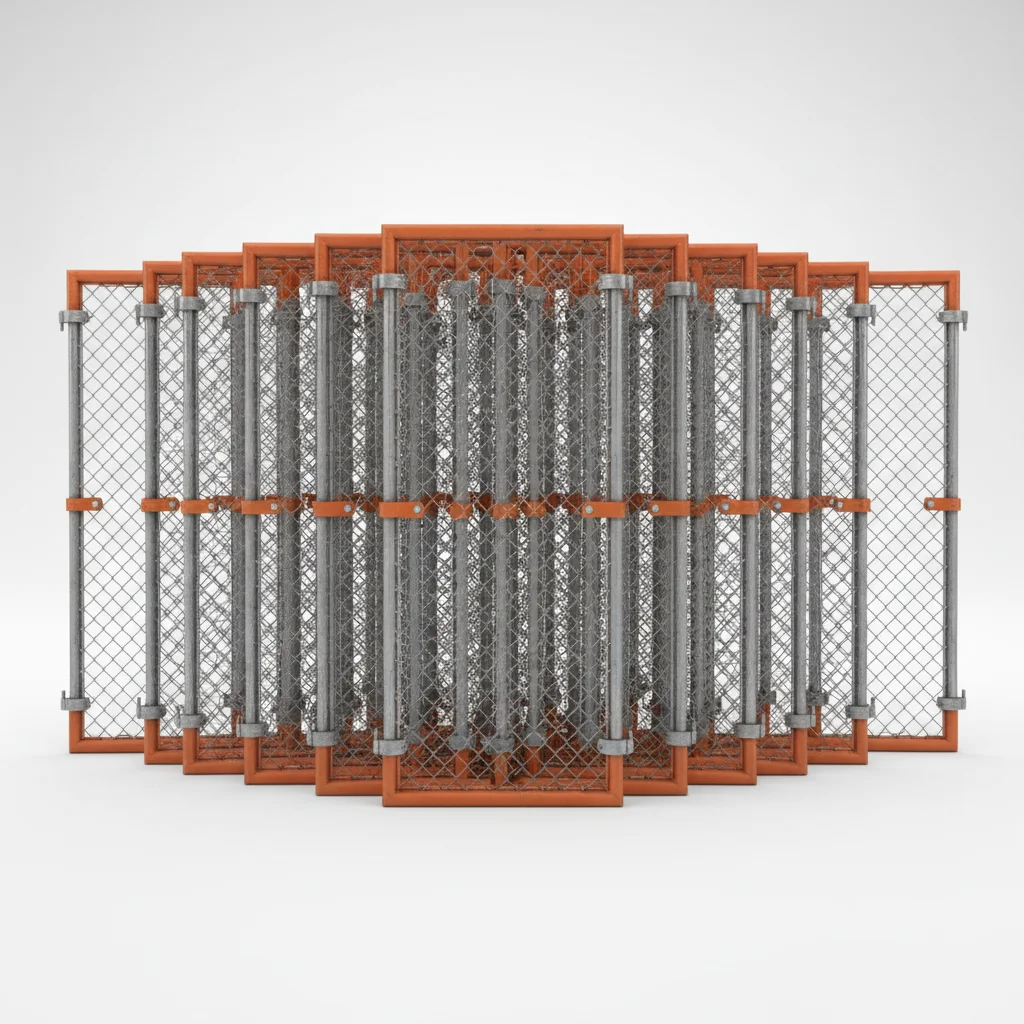
Selecting the right security perimeter is a critical decision for industrial, agricultural, and residential property owners worldwide. When you decide to buy chain link fence, you are investing in a versatile, durable, and cost-effective solution that balances visibility with robust security. From securing livestock in rural farmlands to delineating boundaries in high-traffic industrial zones, the utility of woven wire mesh remains unmatched in the modern construction landscape.
The global demand for high-quality fencing has surged as urban expansion encroaches on agricultural lands and industrial security protocols become more stringent. Understanding the technical nuances of gauge, coating, and weave allows buyers to optimize their investment, ensuring that the chosen barrier can withstand environmental stressors such as salt spray, humidity, and extreme temperature fluctuations. This guide explores the comprehensive landscape of chain link solutions, helping you make an informed procurement choice.
Whether you are managing a large-scale infrastructure project or securing a private backyard, the goal of seeking to buy chain link fence is typically centered on longevity and low maintenance. By examining the intersection of material science and structural engineering, we can identify the specific configurations that offer the highest ROI, ensuring your assets remain protected for decades to come.
Core Components of Quality Chain Link Systems
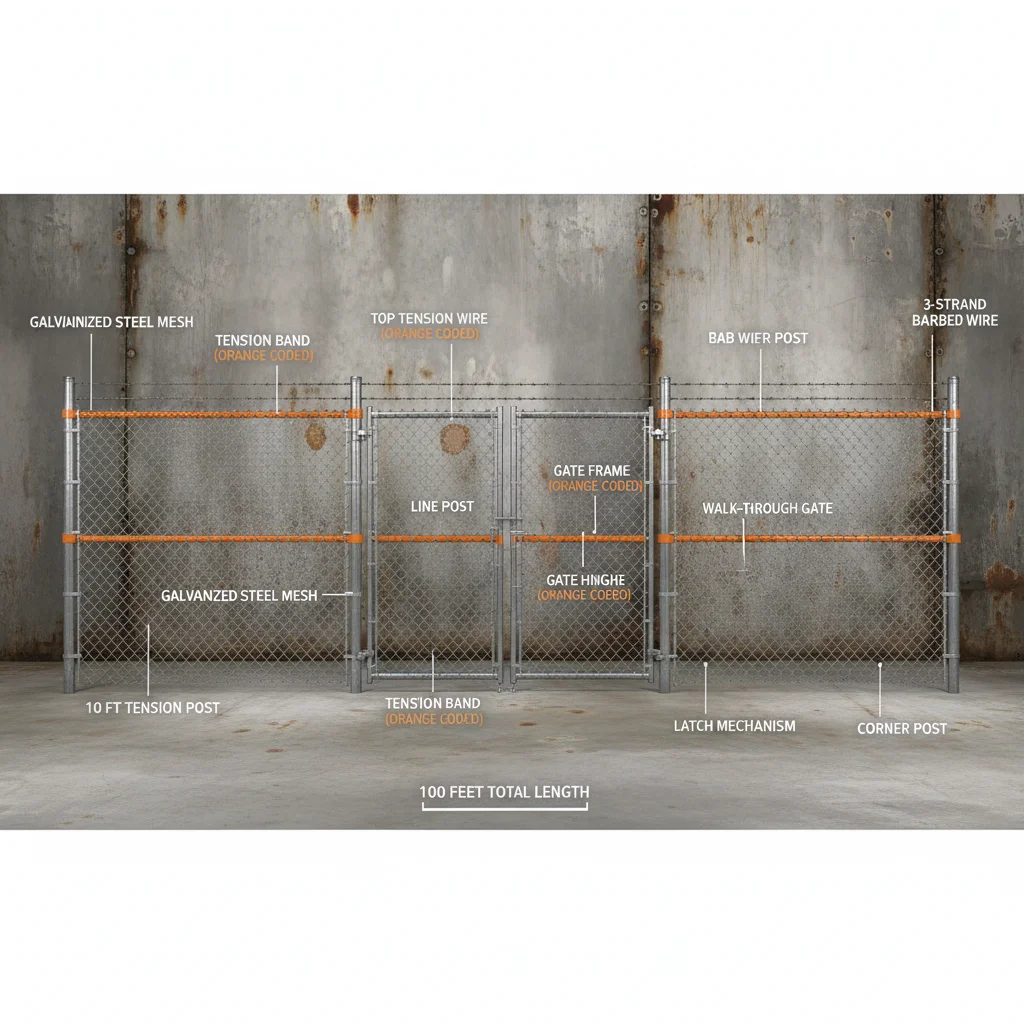
At its essence, the structural integrity of a fence depends on the synergy between the fabric, the posts, and the tensioning hardware. When you buy chain link fence, you must consider the "gauge" of the wire—the thickness of the steel—which directly dictates the fence's resistance to impact and cutting. Heavier gauges are essential for industrial perimeters, while lighter gauges suffice for residential pet containment.
Equally important is the mesh size, usually measured by the diamond opening. A smaller mesh provides higher security and prevents small animals from passing through, whereas a larger mesh is more economical and offers better visibility. Pairing these components with galvanized steel posts ensures that the entire system remains rigid and upright, even under significant wind loads or physical pressure.
Global Standards and Material Specifications
The international market for fencing is governed by strict quality benchmarks, such as ASTM (American Society for Testing and Materials) and ISO standards. These guidelines ensure that when organizations buy chain link fence, they receive materials with consistent tensile strength and corrosion resistance. Without these standards, variance in steel purity could lead to premature structural failure in harsh environments.
Material selection typically fluctuates between hot-dipped galvanized steel, PVC-coated wire, and stainless steel. Hot-dipped galvanization creates a metallurgical bond that protects the core steel from oxidation, making it a staple for agricultural and livestock fencing. PVC coating adds an extra layer of protection and aesthetic flexibility, which is often preferred in urban landscapes or high-moisture coastal regions.
For high-security installations, such as airports or military bases, the industry has shifted toward high-tensile steel alloys. These materials offer superior rigidity and are significantly harder to breach. Understanding these specifications is the difference between a fence that lasts five years and one that lasts fifty, making technical literacy essential for any procurement officer.
Evaluating Cost-Efficiency in Procurement
Analyzing the total cost of ownership is far more critical than focusing on the initial price tag when you decide to buy chain link fence. Initial capital expenditure (CAPEX) includes the cost of materials and installation, but the operational expenditure (OPEX)—maintenance, rust treatment, and repairs—often determines the actual long-term value.
Strategic procurement involves balancing the grade of the coating with the expected lifespan of the project. For instance, investing in high-quality galvanized steel may increase the upfront cost by 15%, but it can reduce maintenance intervals by 60%, significantly lowering the overall cost per year of service.
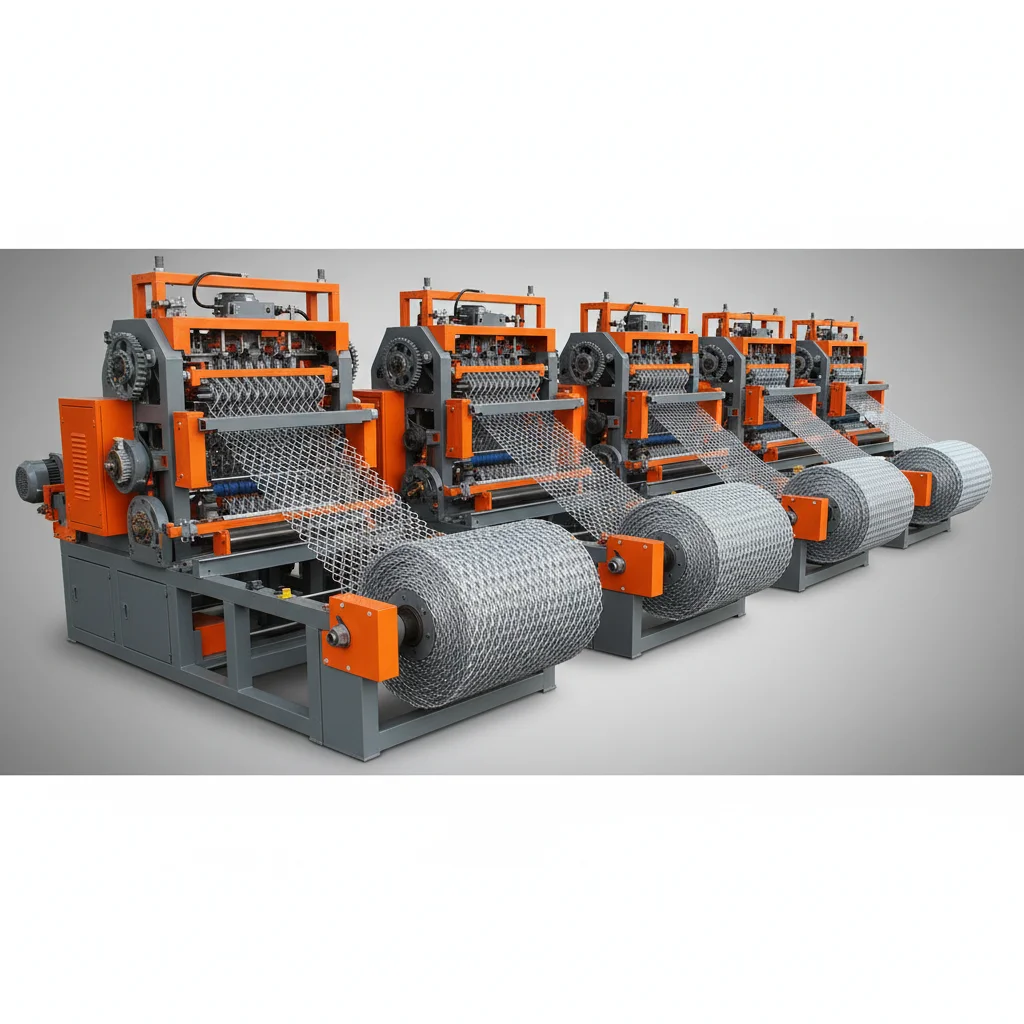
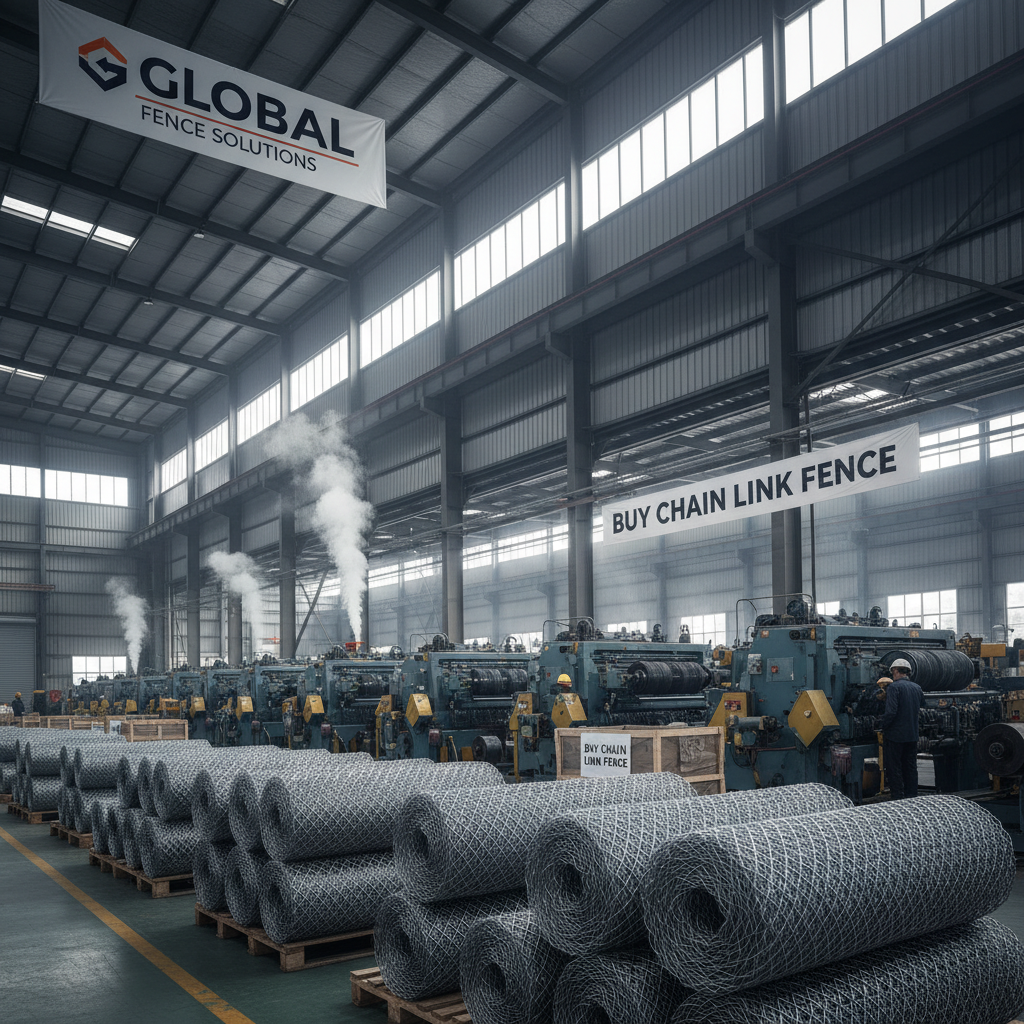
Furthermore, buying in bulk directly from manufacturers often provides a significant price advantage. By consolidating orders for the fence fabric, tension bars, and caps, buyers can leverage economies of scale. This approach is particularly effective for large-scale farm equipment and livestock projects where thousands of linear feet are required.
Comparative Performance of Coating Types
Different environmental conditions necessitate different protective coatings. When users buy chain link fence for seaside properties, the saline air accelerates corrosion, making PVC-coated galvanized steel the optimal choice. In contrast, dry inland regions may find standard galvanized steel sufficient and more cost-effective.
Performance metrics often focus on "salt spray hours," a test that measures how long a coating lasts before the first sign of red rust appears. High-performance coatings can withstand thousands of hours of exposure, ensuring that the structural integrity of the wire mesh remains intact despite extreme weather patterns.
Coating Durability Ratings for Chain Link Fence
Industrial Applications and Use Cases
The versatility of the chain link system allows it to be deployed across diverse sectors. In the agricultural industry, those who buy chain link fence often utilize it for livestock pens and crop protection, where the strength of the mesh prevents animal escape while allowing airflow and visibility.
In heavy industry—such as mining, metallurgy, and construction—these fences are used to secure hazardous zones and equipment storage areas. The ability to quickly install and dismantle chain link sections makes them ideal for temporary construction sites, providing a secure boundary that can be relocated as the project evolves.
Long-Term Value and Sustainability
From a sustainability perspective, choosing to buy chain link fence is an eco-friendly choice. Steel is one of the most recycled materials on the planet. At the end of a fence's lifecycle, the metal components can be salvaged and melted down for reuse, reducing the need for virgin ore extraction.
Beyond environmental impact, the psychological value of a secure perimeter cannot be overstated. For business owners, it provides peace of mind; for residents, it ensures the safety of children and pets. This sense of security translates into tangible value, often increasing the marketability and perceived safety of a commercial or residential property.
Moreover, the low-maintenance nature of modern galvanized coatings means fewer chemical treatments and paints are required over the years. This reduces the runoff of toxic substances into the surrounding soil, aligning with modern "green" building standards and corporate social responsibility goals.
Future Innovations in Fencing Technology
The future of the fencing industry is leaning toward "smart boundaries." We are seeing the integration of IoT (Internet of Things) sensors into the fence fabric. When companies buy chain link fence today, they are starting to consider systems that can detect vibrations or cuts in the mesh, triggering instant alerts to security personnel.
Material science is also evolving with the introduction of graphene-enhanced coatings and high-strength polymer hybrids. These innovations aim to create fences that are lighter than steel but possess equivalent or superior tensile strength and absolute immunity to corrosion, potentially revolutionizing the livestock and agricultural sectors.
Automation is also playing a role in the installation phase. Robotic tensioning tools and precision laser-leveling are reducing labor costs and increasing the structural consistency of large-scale installations. These advancements ensure that the fences of tomorrow are more precise, more secure, and easier to maintain.
Comparative Analysis of Modern Chain Link Configurations
| Fence Variant |
Primary Use Case |
Durability Index (1-10) |
Installation Speed |
| Standard Galvanized |
Agricultural/Residential |
7 |
Fast |
| PVC Coated Steel |
Coastal/Urban Parks |
9 |
Moderate |
| High-Tensile Alloy |
Industrial/High Security |
10 |
Slow |
| Stainless Steel |
Food Grade/Medical |
10 |
Moderate |
| Vinyl-Clad Mesh |
Commercial Property |
8 |
Fast |
| Electro-Galvanized |
Temporary Enclosures |
5 |
Very Fast |
FAQS
For maximum durability, especially in corrosive environments, the best option is to choose stainless steel or hot-dipped galvanized steel with an additional PVC coating. The hot-dipped process ensures the zinc is bonded to the steel, while the PVC provides a physical barrier against moisture and salt. This combination offers the longest lifespan with minimal maintenance.
Wire gauge refers to the thickness; a lower number indicates a thicker wire. For residential gardens, 11 or 12 gauge is usually sufficient. For commercial or industrial sites where security is paramount, 9 gauge is recommended. If you are securing livestock, ensure the gauge is heavy enough to resist the pressure of the animals leaning against the mesh.
Yes, in the long run, it is generally more cost-effective. While wooden fences may have a similar initial cost in some regions, they require frequent staining, painting, and are prone to rot and termite damage. Chain link fencing requires almost no maintenance and lasts significantly longer, resulting in a lower total cost of ownership.
Small residential projects are manageable for DIYers with basic tools. However, for industrial or agricultural applications where tensioning and post-setting are critical for structural integrity, hiring a professional is advised. Improperly tensioned fences will sag over time, compromising both the aesthetic and the security of the perimeter.
PVC coating provides two primary advantages: superior corrosion resistance and aesthetic versatility. It protects the underlying galvanized steel from scratches and chemical exposure. Additionally, it allows the fence to blend into the environment with colors like forest green or black, making it less visually intrusive than silver galvanized steel.
The most effective method is to install a "bottom rail" or bury a portion of the mesh 6-12 inches underground. Alternatively, you can attach a concrete curb or heavy-duty grounding wire to the bottom of the fence. This creates a physical barrier that prevents burrowing animals from bypassing your secure perimeter.
Conclusion
In summary, the decision to buy chain link fence is a strategic investment in security, durability, and efficiency. By carefully selecting the appropriate wire gauge, coating type, and mesh size, property owners can create a perimeter that meets the specific demands of their environment—be it a rugged industrial site or a peaceful farm. The combination of low maintenance, high recyclability, and proven strength makes chain link systems the gold standard for boundary delineation.
Looking forward, the integration of smart technologies and advanced material science will only enhance the utility of these systems. We encourage buyers to prioritize long-term value over the lowest initial price, ensuring that their security infrastructure remains resilient for decades. For those seeking professional-grade solutions tailored to agricultural and industrial needs, we invite you to explore our full range of high-performance products. Visit our website: www.cowanfences.com