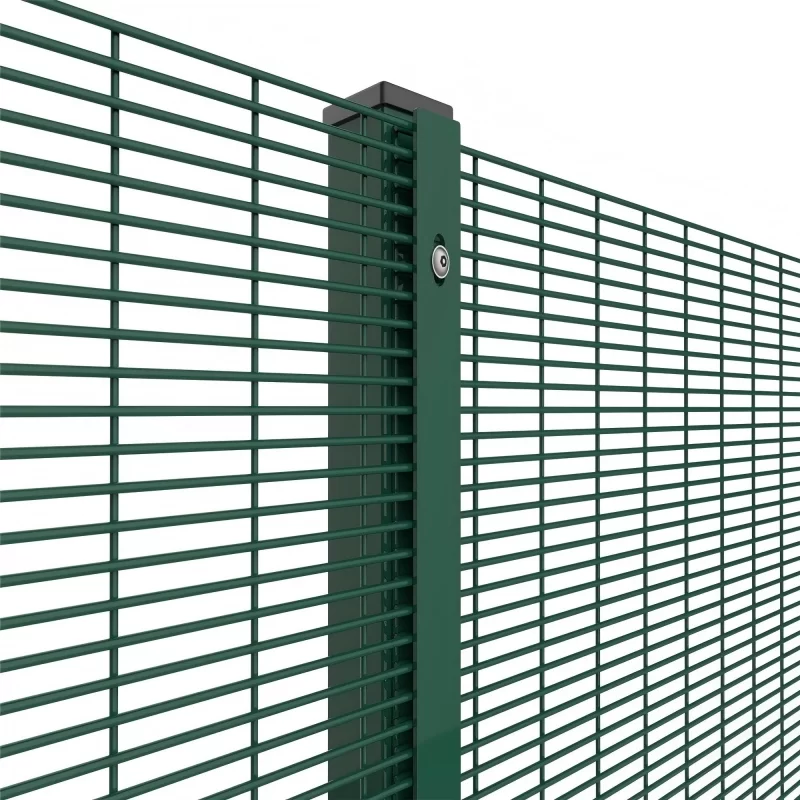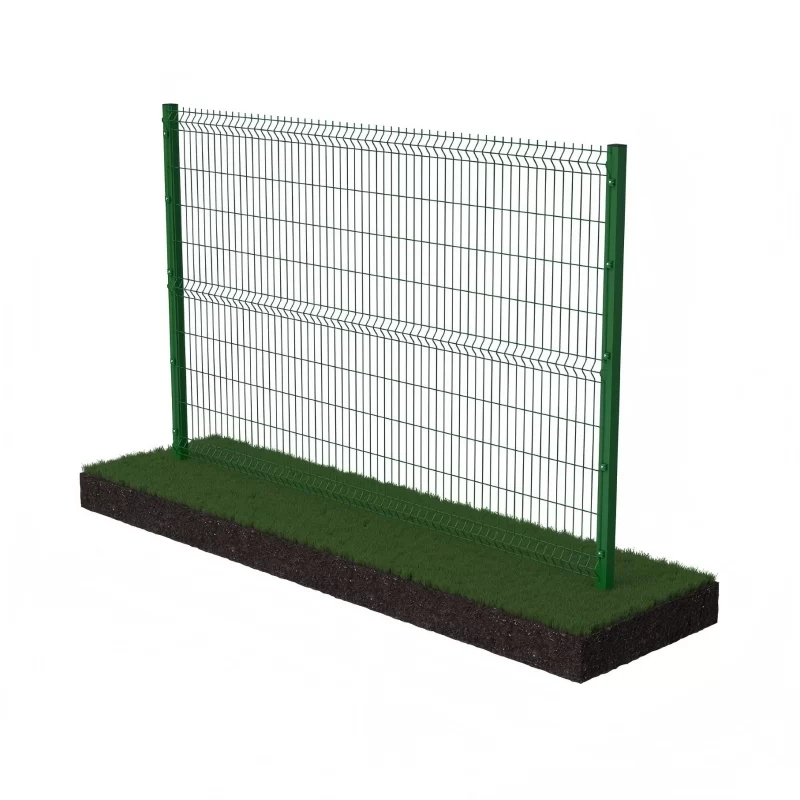
Rwanda's rapid urbanization and investment in mining infrastructure have led to a surge in demand for professional-grade security barriers. However, the humid subtropical climate and varied topography create significant oxidation challenges, making the gi wire fencing cost a critical consideration for local contractors seeking a balance between longevity and budget.
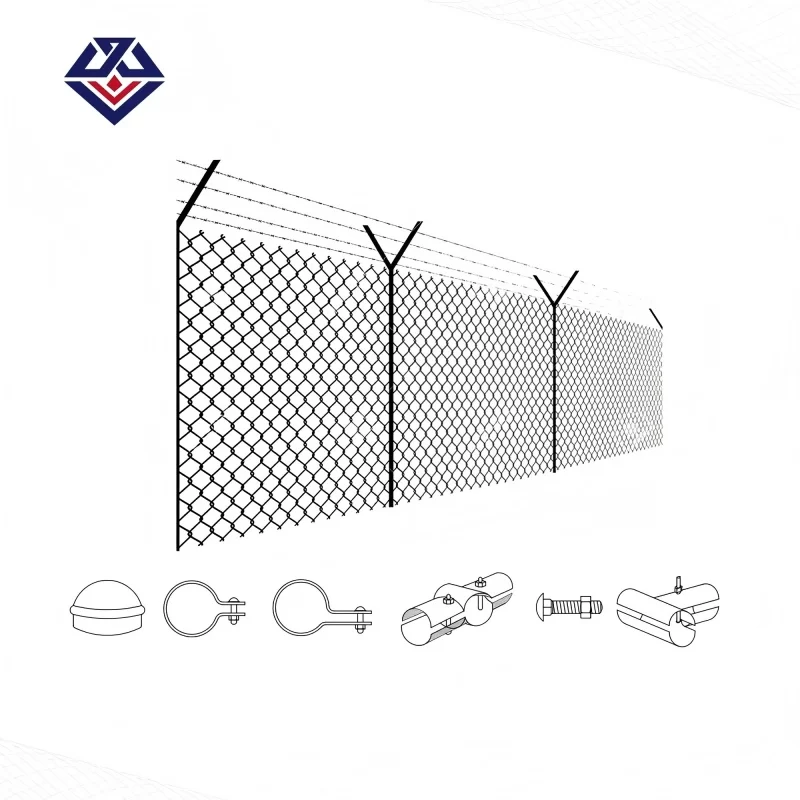
Currently, much of the local market relies on manual weaving or low-grade imported materials. There is a growing shift toward mechanized production, where specialized machinery is required to produce consistent iron chain link fence structures that can withstand high-tension requirements in mountainous regions.
The Rwandan government's focus on "Made in Rwanda" is pushing the construction industry toward adopting advanced manufacturing equipment. This transition is essential to reduce dependency on imports and standardize the quality of boundary markers for both agricultural and industrial zones.