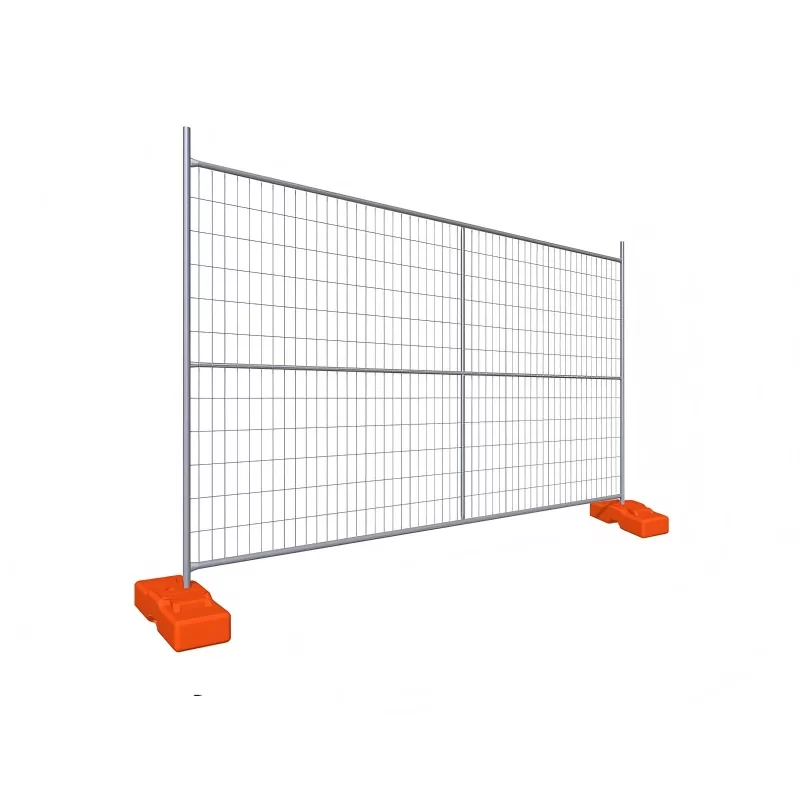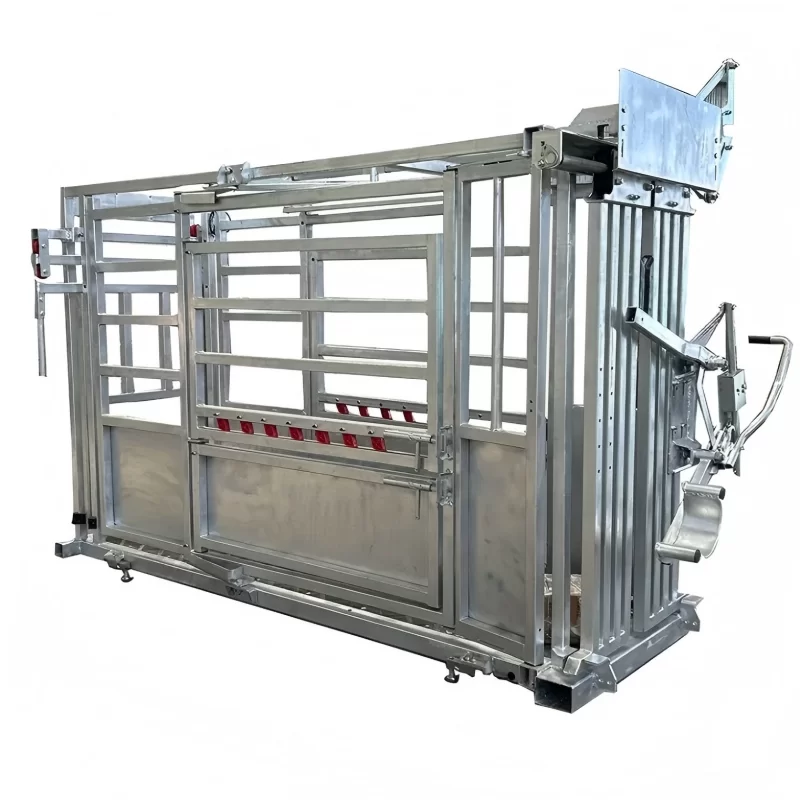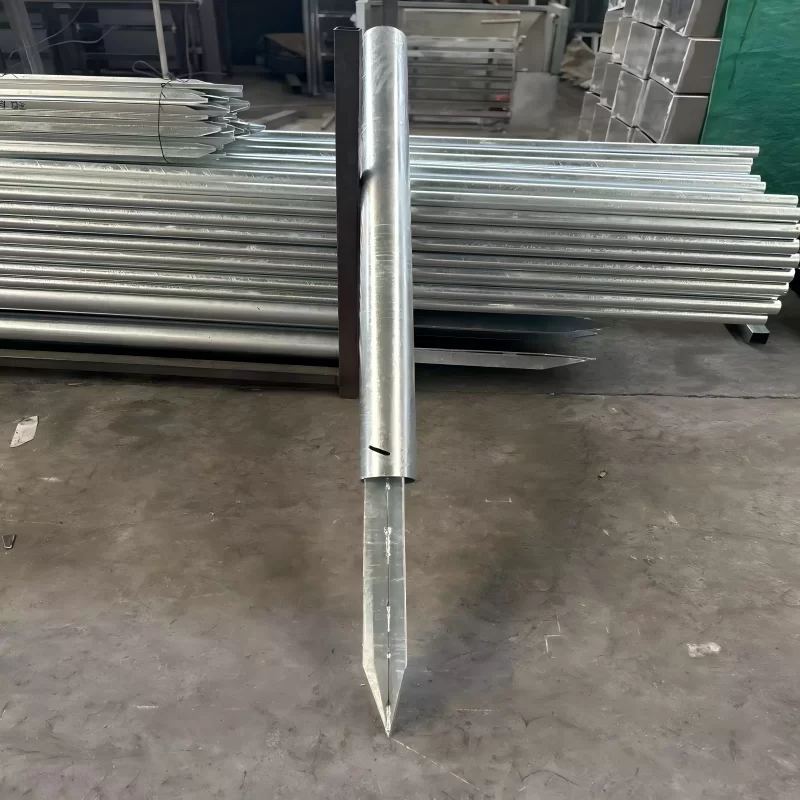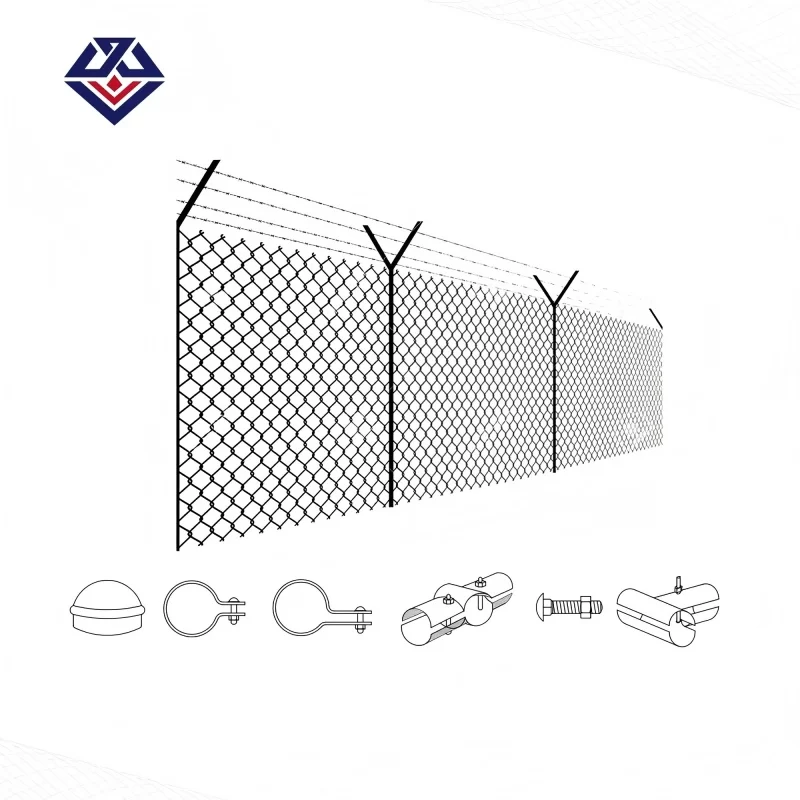
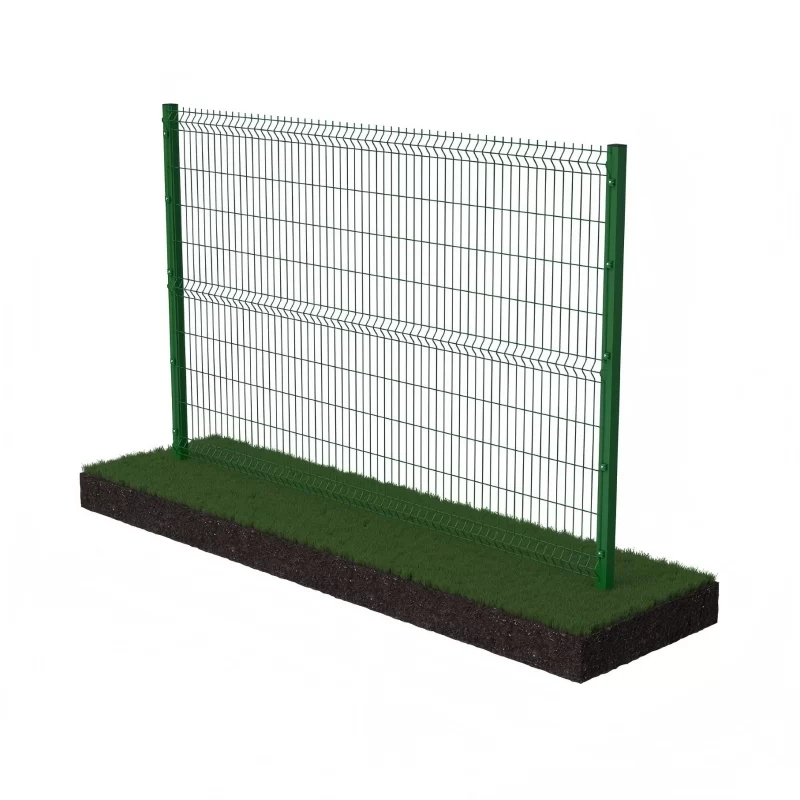
The Malaysian market is currently experiencing a surge in demand for corrosion-resistant barriers due to the country's equatorial climate. The prevalence of high humidity and coastal salt spray makes the gi wire fencing cost a primary consideration for procurement managers, as they balance initial investment against long-term maintenance in harsh environments.
Urban development in regions like Klang Valley and Johor Bahru has shifted the preference toward modular systems. Traditional manual weaving is being replaced by automated machinery capable of producing high-tension iron chain link fence structures that meet strict municipal safety standards for residential and commercial zoning.
Furthermore, the agricultural sector in East Malaysia is increasingly adopting specialized mesh for palm oil and rubber plantations. The need for scalable, heavy-duty boundaries has led to an increased adoption of specialized machinery for producing large chain link fence gate systems that allow industrial vehicle access while maintaining perimeter integrity.