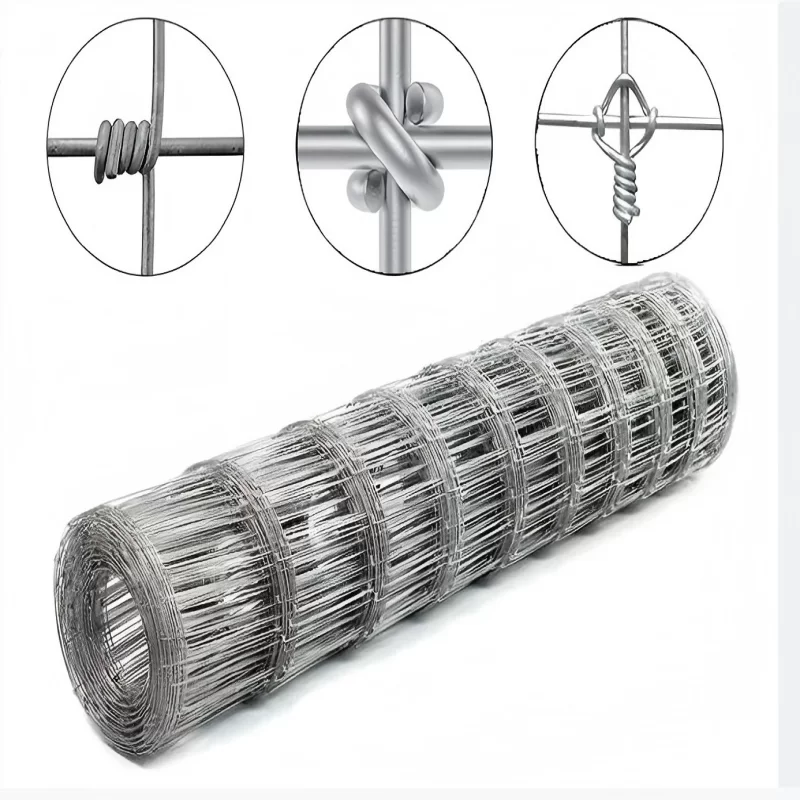
Industrial interlink wire fence Solutions for Philippines Infrastructure

High-performance fencing machinery and materials engineered for the tropical climate and industrial demands of the Philippine market.

Industrial interlink wire fence Solutions for Philippines Infrastructure

Providing the Philippine construction and mining sectors with advanced wire mesh production technology and durable fencing materials designed to withstand extreme humidity and salinity.

The Current State of Fencing Infrastructure in Philippines

Analyzing the demand for corrosion-resistant boundaries in Southeast Asia's archipelago.

In the Philippines, the high salinity of coastal air and intense tropical rainfall accelerate the oxidation of standard steel. This has led to a critical market shift where calculating the gi wire fencing cost is no longer just about initial investment, but about the long-term lifecycle cost of galvanized materials versus low-grade alternatives.

The construction sector in Metro Manila and Cebu is seeing a surge in the adoption of the iron chain link fence for industrial zoning. However, many local manufacturers still rely on outdated manual weaving techniques, resulting in inconsistent mesh apertures and poor structural integrity for large-scale perimeter security.

Furthermore, the demand for specialized entry points, such as the large chain link fence gate, has increased due to the expansion of logistics hubs and mining sites in Mindanao, necessitating machinery that can produce heavy-gauge wire with precision welding.
Evolution of Wire Mesh Manufacturing

From manual weaving to automated CNC-driven production lines.

Market Development History

Prior to 2010, the Philippine market was dominated by basic hand-woven mesh. Production was slow, and the quality of the garden chain link fence was often inconsistent, leading to frequent sagging and premature rusting in rural agricultural zones.

Between 2010 and 2020, the introduction of semi-automated galvanized wire machines allowed local producers to increase output. The focus shifted toward "Hot-Dip Galvanizing" to combat the humid climate, making the pricing and gi wire fencing cost more competitive for commercial developers.

From 2021 to the present, the industry has transitioned to fully automated CNC machinery. This era is defined by high-tensile strength materials and the ability to produce complex interlinking patterns that provide superior security for critical infrastructure.

Future Development Trends

Smart Coating Integration

The move toward Zn-Al-Mg coatings will replace traditional galvanization to provide 3x more corrosion resistance in salt-mist environments.

Automation in Gate Fabrication

The adoption of robotic welding for the large chain link fence gate to ensure seamless joints and zero-defect structural frames.

Eco-Friendly Production

Implementation of closed-loop water recycling in the galvanizing process to meet strict Philippine environmental regulations for industrial plants.

Industry Trends and Future Outlook

Strategic projections for the specialized equipment manufacturing sector in the Philippines.

Precision Automation
Shifting from manual labor to high-speed automated weaving machines to reduce waste.
High-Tensile Materials
Increasing use of high-carbon steel wire to enhance the security of interlink systems.
Anti-Corrosion Tech
Advanced PVC and powder coating integration to stop salt-air erosion.
Modular Design
Standardized panel systems for rapid deployment in disaster-prone regions.

Industry Outlook

Google Search trends indicate a rising query volume for "durable fencing for coastal areas" in the Philippines, suggesting that the market is shifting from cheapest-available to longest-lasting. This trend will drive the demand for high-end wire production machinery.

Over the next 3-5 years, we expect a convergence of IoT sensors and physical fencing, where the structural integrity of the fence is monitored digitally, further increasing the requirement for high-precision manufacturing tolerances.

Local Application Scenarios in Philippines

Customized fencing solutions for diverse Philippine environments.

01. Coastal Resort Perimeters

Using heavy-duty galvanized interlink systems to secure luxury beachfront properties against high-salinity air and wind gusts.

02. Mindanao Mining Site Security

Installation of high-gauge iron chain link fence systems combined with reinforced posts for heavy machinery access control.

03. Metro Manila Urban Warehouses

Deploying the large chain link fence gate to facilitate rapid truck movement while maintaining high-security boundaries.

04. Provincial Agricultural Plots

Cost-effective garden chain link fence installation for livestock protection and crop boundary marking in rural provinces.

05. Government Infrastructure Projects

Implementing standardized GI wire mesh for public utility sites, focusing on the balance between gi wire fencing cost and long-term durability.

Brand Story

Global Development History of Anping County Kewang Machinery Manufacturing Co., Ltd.

Foundational Engineering

Started with a focus on solving the inefficiency of manual wire weaving, establishing the first generation of reliable mesh machines.

Technological Breakthrough

Developed the precision-tensioning system that eliminated mesh distortion, setting a new industry standard for quality.

Global Market Expansion

Exported advanced machinery to Southeast Asia, specifically tailoring equipment for the tropical climates of the Philippines.

Industrial Diversification

Expanded into the manufacturing of heavy-duty gate components and specialized industrial fencing machinery.

Sustainable Innovation

Currently leading the shift toward energy-efficient production lines and eco-friendly galvanizing technology.

Complete Product Portfolio for the Philippine Market

From raw wire production machinery to finished high-security fencing systems.

Philippines Fencing Industry FAQs

Expert answers to common technical and commercial queries.

How do I calculate the total gi wire fencing cost for a coastal project in Cebu?

The cost depends on the wire gauge, the zinc coating thickness (GSM), and the post material. For coastal areas, we recommend Hot-Dip Galvanized wire with a minimum of 275g/m² coating to ensure longevity.

What is the best alternative to a standard iron chain link fence for high-security sites?

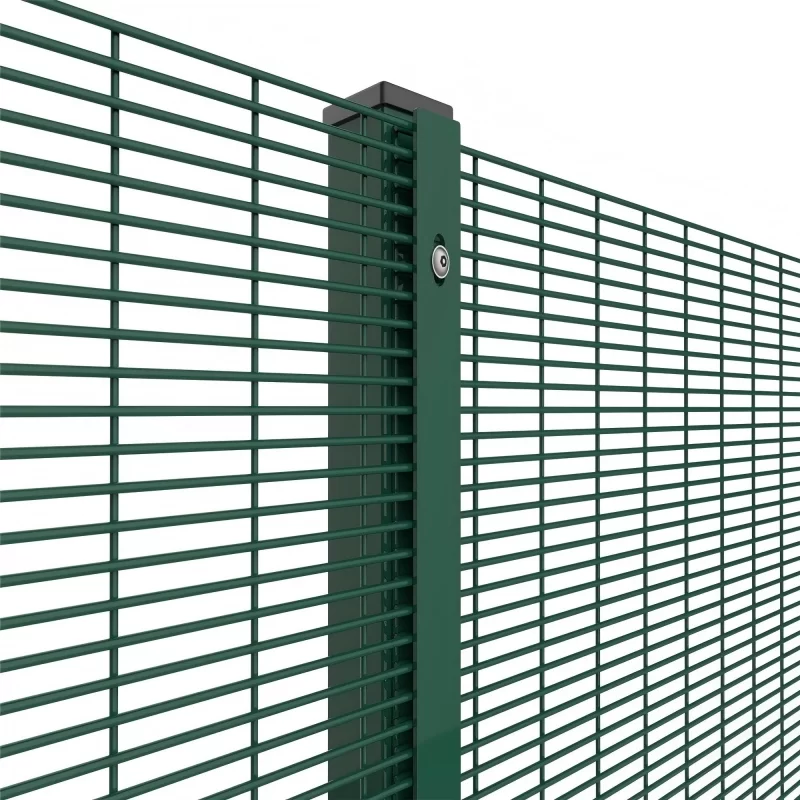
For high-security sites, we suggest high-tensile interlink systems with PVC coating, which offer higher resistance to cutting and better weather protection than standard iron fences.

Can a large chain link fence gate be automated for industrial use?

Yes, our heavy-duty gate frames are designed to be compatible with industrial sliding or swing motor systems, ensuring smooth operation for logistics hubs.

Is the garden chain link fence suitable for the Philippine wet season?

Yes, provided it is galvanized. Our garden-grade fences use a specialized zinc coating that prevents rust during periods of extreme humidity and constant rain.

What is the difference between interlink wire fence and standard chain link?

Interlink systems typically feature a more rigid weaving pattern and higher tensile strength, making them less prone to sagging over long spans compared to standard chain link.

How long does the installation of an industrial wire fence take in the Philippines?

Depending on the terrain and total length, a standard industrial project typically takes 2-4 weeks, including post-setting and mesh tensioning.

Ready to Secure Your Infrastructure?

Our engineering team is ready to provide custom fencing machinery and material solutions tailored for the Philippines.

Contact Us Now

If you are interested in our products, you can choose to leave your information here, and we will be in touch with you shortly.