Get in touch
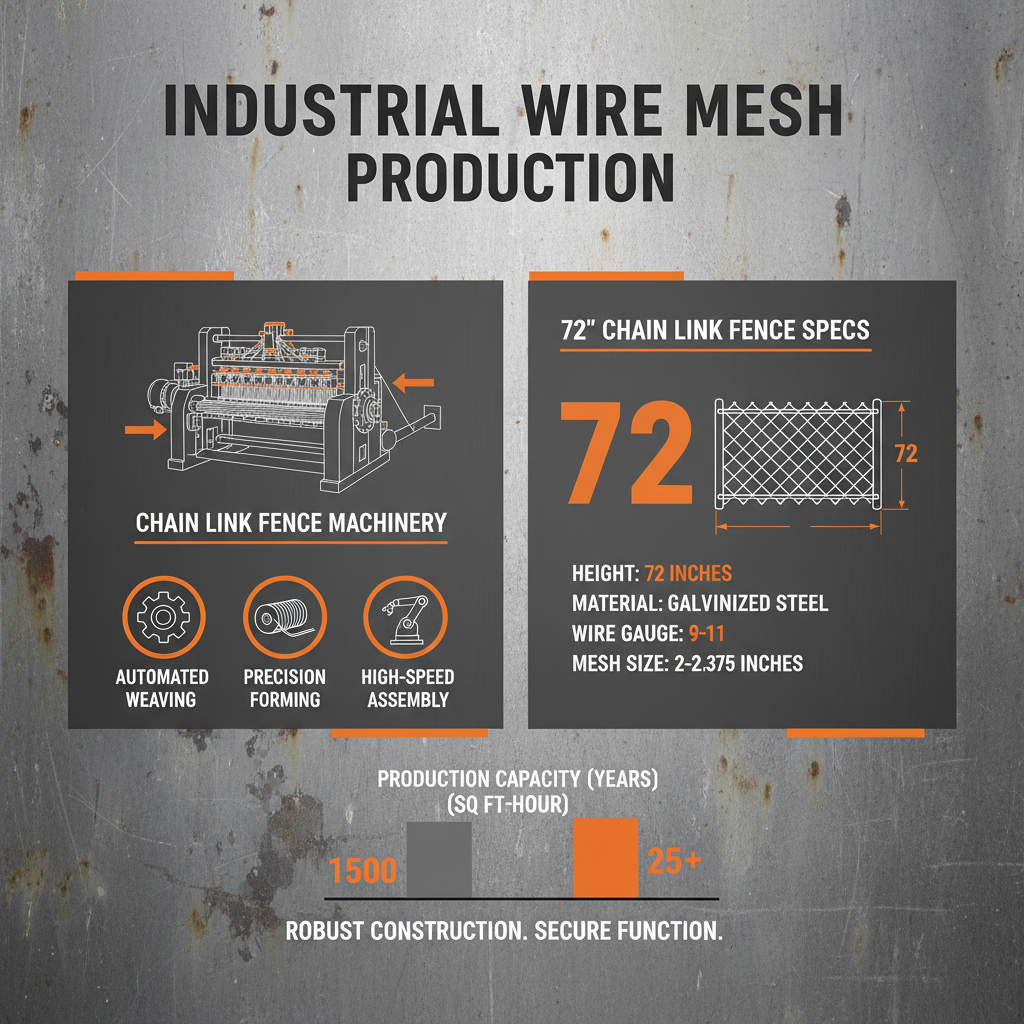
The global demand for secure boundaries has surged as industrial zones expand into remote areas. The 72 chain link fence has become a primary choice due to its alignment with ISO standards for material strength and durability. In regions with high industrial growth, such as Southeast Asia and North America, the implementation of standardized fencing height is critical for mitigating risk and ensuring insurance compliance for high-value assets.
Beyond simple security, these structures address the challenge of perimeter management in complex environments. By utilizing a 72-inch standard, organizations can effectively prevent unauthorized climbing while maintaining a visual line of sight, which is essential for surveillance integration and emergency response protocols in large-scale manufacturing plants.
Yes, a 72-inch (6-foot) fence is generally considered the minimum height for effective security. It is tall enough to discourage casual trespassers and requires significant effort or equipment to climb. For maximum security, we recommend adding a tension wire at the top or barbed wire extensions to further deter climbing attempts.
Galvanized fences are treated with a zinc coating to prevent rust and are highly durable for industrial use. PVC coated fences have an additional plastic layer over the galvanization, which provides superior corrosion resistance and a more aesthetic appearance, making them ideal for environments with high moisture or chemical exposure.
Depending on the environment and the quality of the materials, a high-grade galvanized 72 chain link fence can last between 20 to 50 years. Regular inspections of the tensioning and the integrity of the posts can further extend this lifespan, especially when installed with professional-grade concrete footings.
Absolutely. Its strength and height make it excellent for containing larger livestock or protecting smaller animals from predators. The open weave allows for visibility and airflow, which is essential for animal health, while the steel construction prevents animals from pushing through the barrier.
Permit requirements vary by local jurisdiction and zoning laws. In many residential areas, 6 feet is the maximum allowed height without a variance, while in industrial zones, it is standard. We always recommend checking with your local building department to ensure compliance with height and setback regulations.
The key to preventing sag is proper initial tensioning using a fence stretcher. Over time, you should inspect the tension bands and bolts on the terminal posts. If sagging occurs, re-tensioning the fabric or adding a center brace can restore the fence's structural integrity and appearance.

If you are interested in our products, you can choose to leave your information here, and we will be in touch with you shortly.