Determining the total investment for farm security often begins with understanding the chain gate price, a figure that fluctuates based on material grade, automation levels, and structural spans. For ranch owners and industrial facility managers, the cost is rarely a flat fee but rather a reflection of the gate's intended durability and the environmental stressors it must endure.
While entry-level options provide basic access control, high-performance chain-link gates integrated into professional fencing systems offer a balance of transparency and strength. The variance in pricing typically stems from the gauge of the steel, the type of coating—such as hot-dip galvanization or powder coating—and the complexity of the hardware required for long-term operation.
Evaluating the value of a gate requires looking beyond the initial quote to consider the lifecycle costs, including maintenance and the potential for feed or livestock loss if a perimeter breach occurs. By analyzing the core drivers of pricing, buyers can align their procurement strategy with the actual security needs of their specific agricultural or industrial site.

Analyzing the Primary Cost Drivers of Chain Link Gates

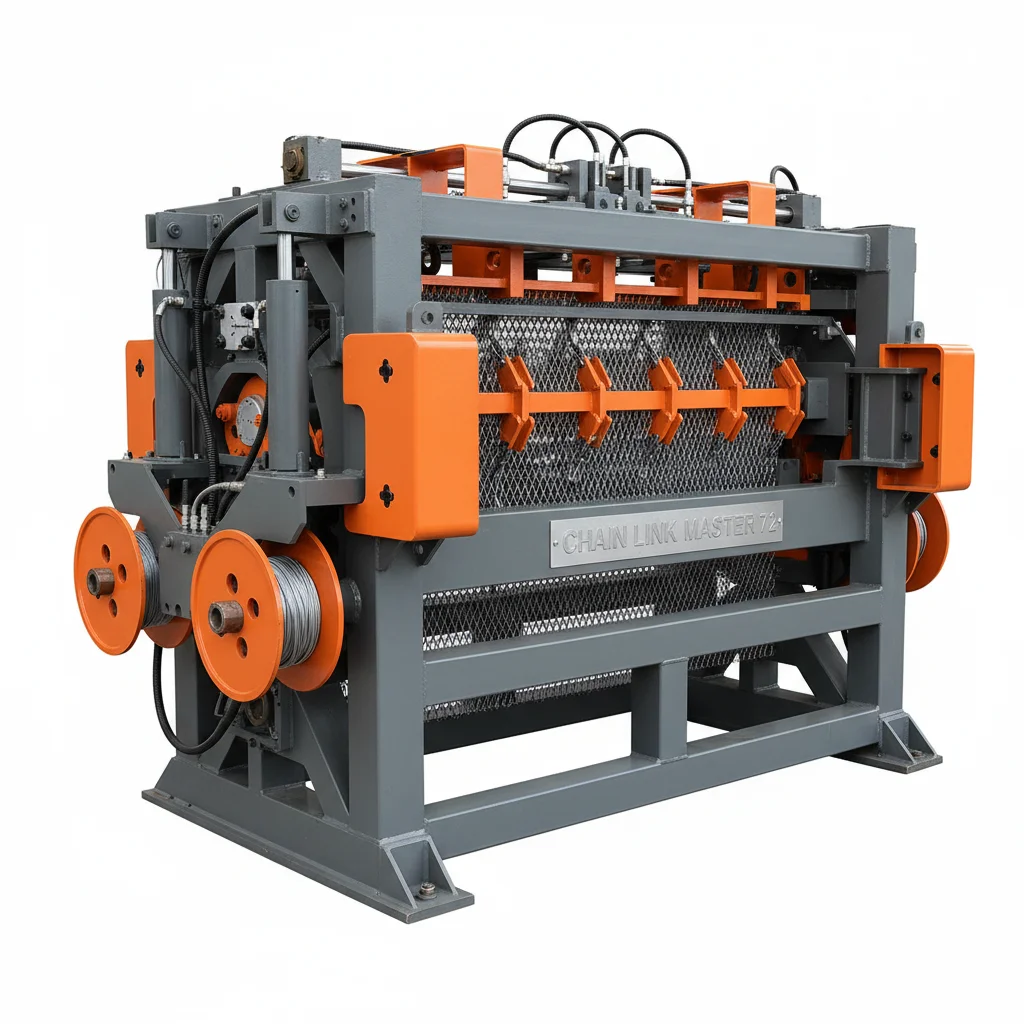
The perceived cost of a chain gate is frequently misunderstood as a simple product price, whereas it is actually a composite of several manufacturing variables. The first major driver is the raw material quality; reinforced steel with a higher gauge provides greater structural integrity but increases the base cost. In the specialized equipment manufacturing sector, the precision of the roll-forming process directly impacts how the gate resists sagging over time.
Surface treatment plays a critical role in pricing. A basic galvanized finish is cost-effective for short-term use, but for high-moisture or corrosive environments, hot-dip galvanizing or PVC coating is essential. These processes, while adding to the initial expenditure, significantly reduce the frequency of replacement and the need for repetitive painting or rust treatment.
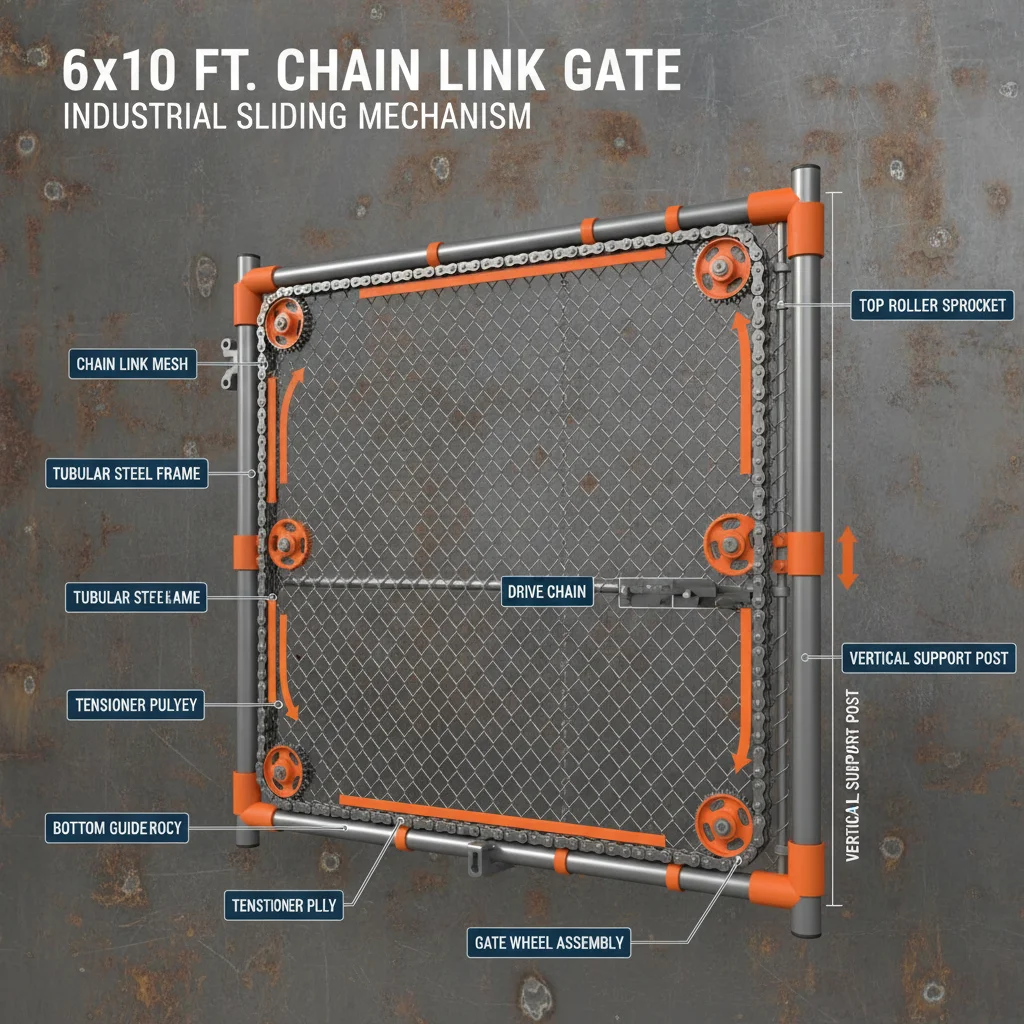
Finally, the scale and hardware complexity contribute to the final quote. A standard swing gate requires basic hinges and latches, but heavy-duty industrial versions may require reinforced frames, specialized locking mechanisms, or integration with automated slide systems, each adding a layer of cost based on the engineering required to support the weight.
Technical Specifications That Influence Long-Term Pricing Value
When evaluating a quote, the technical data sheet reveals why some gates are priced higher than others. The mesh size and wire diameter are the primary indicators of strength. A tighter mesh with a thicker wire prevents smaller animals from breaching the perimeter and resists external pressure more effectively, which is a priority for livestock management.
The frame construction also dictates the price. Tubular steel frames are common, but the wall thickness of those tubes determines whether the gate will warp under heavy wind loads or animal impact. High-tech enterprises often utilize PLC-controlled precision welding to ensure that joints are seamless and structurally sound, reducing the risk of failure at the stress points.
Furthermore, the compatibility with other systems—such as livestock panels or field fencing—can influence the total cost. A gate that is designed as part of a modular system allows for easier installation and future expansion, potentially lowering the overall labor costs during the implementation phase.
Operational Applications Across Agricultural and Industrial Zones
Agricultural environments demand gates that can withstand the erratic behavior of livestock. In cattle or sheep operations, gates are often subjected to rubbing and leaning, which requires a robust frame and a rust-resistant coating to prevent degradation from animal waste and moisture. These applications prioritize stability and ease of manual operation for farm workers.
In contrast, industrial and municipal settings utilize chain link gates for perimeter isolation and security. Here, the focus shifts toward deterrence and durability against weather exposure. The use of zinc-steel railings or PVC fences in urban environments requires gates that match the aesthetic of the surrounding architecture while maintaining a zero-maintenance profile to minimize city operational budgets.
Specialized zones, such as construction sites or temporary isolation areas, may opt for modular gates that offer rapid assembly and disassembly. The pricing for these solutions is often lower per unit, but the value lies in their portability and the speed at which they can be repositioned to secure different areas of a project site.
Comparing Standard vs. High-Durability Gate Performance
To justify the price difference between economy and premium gates, one must look at performance metrics over a five-year horizon. Standard gates often show significant degradation in coating and structural alignment within 24 months, leading to increased operational downtime and repair costs.
High-durability gates, utilizing advanced surface treatments like powder coating and reinforced steel, maintain their structural integrity and aesthetic appeal far longer. This performance gap is particularly evident in saltwater environments or high-acid agricultural soils where corrosion accelerates rapidly.
Gate Performance Metrics
As illustrated, the investment in high-grade materials results in a higher retention of structural strength and a lower requirement for manual intervention. While the initial cost is higher, the "cost per year of service" is significantly lower for the premium option.
Procurement Strategies for Sustainable Perimeter Management
Effective procurement begins with a comprehensive site audit to determine the exact stress factors the gate will face. Buying the most expensive gate is not always the correct solution; rather, the goal is to match the specification to the risk level. For instance, a low-traffic pasture entrance requires different specs than a high-security industrial loading dock.
Buyers should evaluate suppliers based on their integrated manufacturing capabilities. A provider that handles everything from raw material inspection to final surface treatment in-house—such as hot-dip galvanizing—generally offers better quality control and more competitive pricing than a middleman distributor.
Additionally, considering the total cost of ownership (TCO) is vital. This includes the cost of installation, the price of replacement hardware, and the labor required for seasonal maintenance. A gate that is easy to maintain and resists warping will save the operator significant capital over a decade of use.
Future Trends in Automated Access and Material Science
The industry is shifting toward the integration of intelligent control systems. We are likely to see a rise in the adoption of solar-powered automated openers for remote farm gates, reducing the need for extensive electrical cabling across large acreages. This shift may increase the initial setup price but will drastically lower daily operational labor.
Material science is also evolving, with new powder-coating formulas that provide superior UV resistance and anti-microbial properties. These innovations could extend the lifespan of gates in harsh tropical or coastal climates, where traditional galvanizing may still fail over very long periods.
Furthermore, the trend toward "smart fencing" may involve the integration of sensors that notify owners of gate status or perimeter breaches in real-time. While these technologies are currently high-end options, they are expected to become more accessible as IoT hardware costs decrease.
Decision Matrix for Selecting the Right Gate Solution
Selecting the optimal gate requires weighing the immediate budget against the long-term operational requirements. The following matrix helps buyers categorize their needs based on the environment and the desired lifespan of the installation.
By identifying the primary use case, procurement officers can avoid over-specifying for low-risk areas or under-specifying for high-stress zones, thereby optimizing the allocation of capital.
| Solution Type | Best Use Case | Primary Material | Maintenance Level |
|---|---|---|---|
| Economy Swing Gate | Temporary Paddocks | Light Galvanized Steel | High (Annual Check) |
| Heavy-Duty Farm Gate | Livestock Control | Hot-Dip Galvanized | Medium (Biennial) |
| Industrial Perimeter | Warehouse Security | PVC Coated Steel | Low (5-Year Cycle) |
| Municipal Guardrail | Urban Boundaries | Zinc-Steel Alloy | Very Low (Visual) |
| Automated Slide Gate | Main Entry Points | Powder-Coated Steel | Medium (Technical) |
| Modular Security Gate | Construction Sites | Galvanized Mesh | Medium (Seasonal) |
Ultimately, the most cost-effective choice is the one that eliminates the need for premature replacement. For those seeking professional-grade fencing and livestock equipment, the technical capabilities available through www.fenceandfarmsupply.com provide a reliable benchmark for quality and durability.
Frequently Asked Questions
Conclusion
The true cost of a chain gate extends far beyond the initial purchase price. By prioritizing material quality and advanced surface treatments, farm and industrial operators can significantly reduce their long-term maintenance burdens and ensure a secure perimeter that withstands both time and the elements.
Selecting a partner with integrated manufacturing expertise ensures that every component—from the roll-formed frame to the final coating—meets rigorous industry standards. Those looking to optimize their perimeter security and livestock management are encouraged to explore the specialized solutions available at www.fenceandfarmsupply.com.