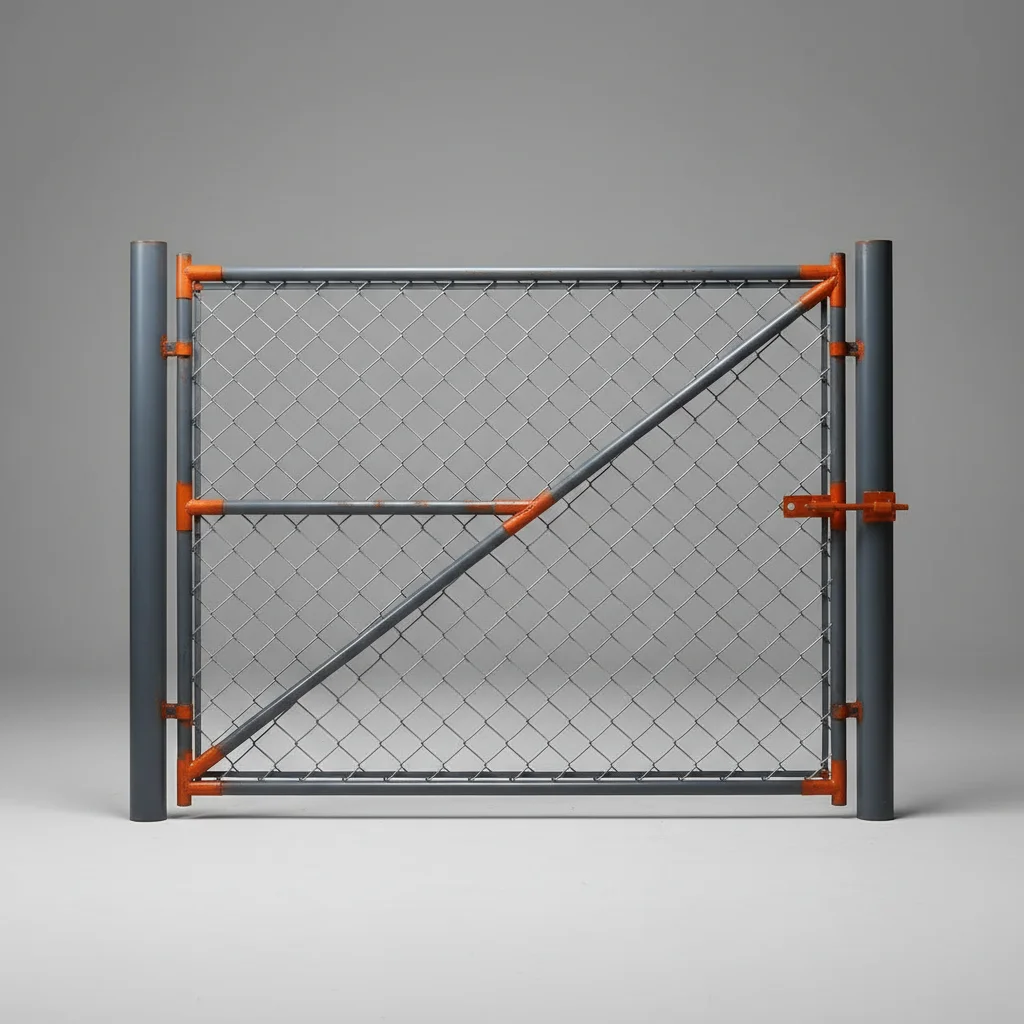
When it comes to securing vast perimeters, from industrial complexes to agricultural lands, the chain fence remains an unparalleled standard for reliability and versatility. Its distinctive woven structure provides a robust physical barrier that balances visibility with security, making it a preferred choice for those who need to define boundaries without completely obstructing the view of the landscape.
Across the globe, the demand for high-quality fencing solutions has surged as urban expansion and the need for livestock management increase. Understanding the technical nuances of wire gauge, coating materials, and weaving patterns is essential for selecting a system that can withstand harsh environmental conditions while maintaining structural integrity over decades of use.
By integrating modern metallurgical advancements with traditional weaving techniques, today's chain link systems offer a sustainable and cost-effective approach to security. Whether you are protecting a high-value construction site or managing a family farm, choosing the right chain fence ensures long-term peace of mind and operational efficiency.
Global Industry Relevance of Chain Fence
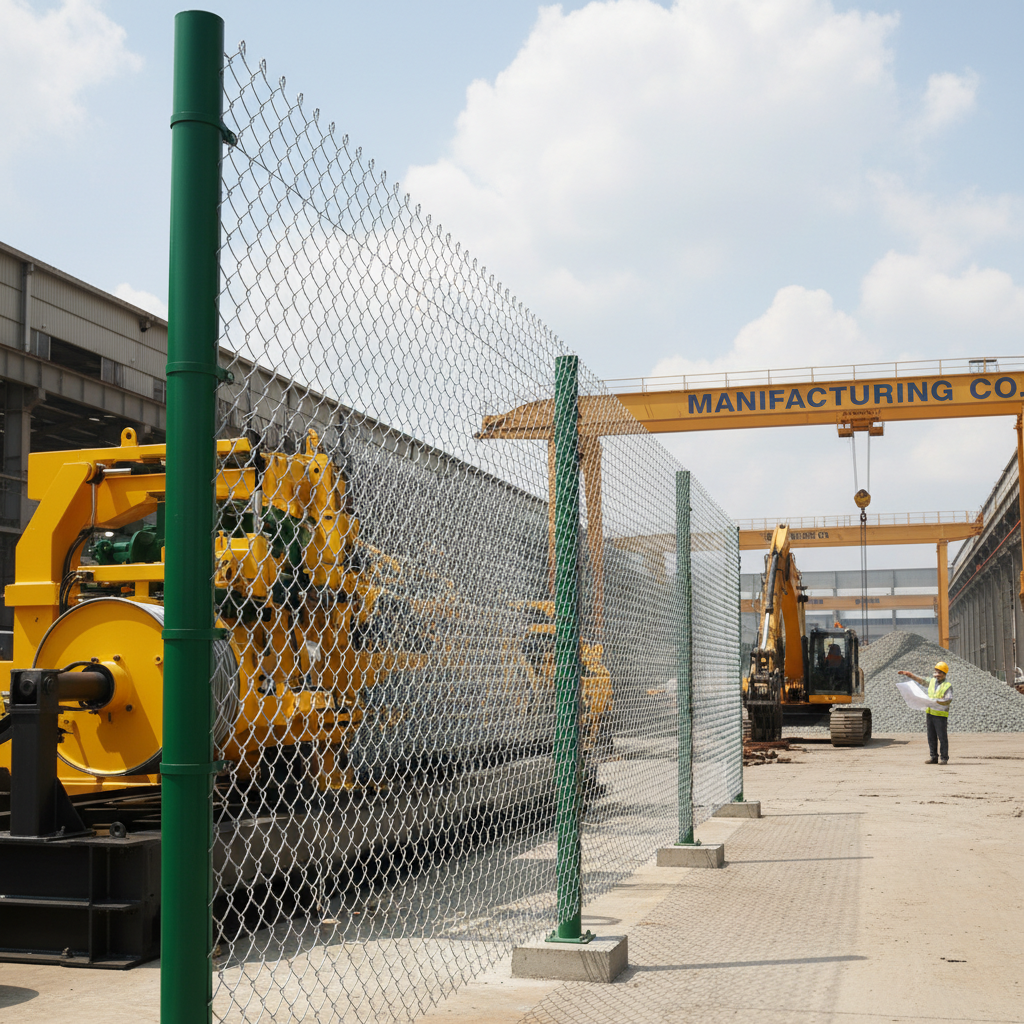
The global security and agricultural markets have seen a consistent reliance on the chain fence due to its adaptability to various terrains and climates. From the ISO standards governing galvanized steel to the massive infrastructure projects in developing nations, the utilization of woven wire mesh is a cornerstone of physical asset protection.
In an era where rapid urbanization is the norm, the challenge lies in creating boundaries that are both secure and breathable. The industry has shifted toward high-tensile materials that reduce the total amount of steel required while increasing the overall strength of the barrier, reflecting a global trend toward resource efficiency and sustainable manufacturing.
Defining the Modern Chain Fence Structure
In simple terms, a chain fence is a fabric of interwoven steel wires that forms a diamond-shaped mesh. Unlike welded wire, which is rigid, the woven nature of this fencing allows it to flex under pressure, making it incredibly resilient against impacts and environmental stress.
Beyond simple boundary marking, this technology addresses critical humanitarian and industrial needs. In agricultural settings, it provides a secure environment for livestock without restricting airflow, while in industrial zones, it creates a clear visual deterrent that prevents unauthorized access to hazardous areas.
Modern iterations now incorporate a variety of coatings—such as PVC, powder coating, and advanced hot-dip galvanization—to ensure that the underlying steel is protected from oxidation. This evolution ensures that the fence remains functional even in coastal regions with high salinity or industrial zones with corrosive pollutants.
Core Components for Maximum Durability
One of the most critical factors for any chain fence is the wire gauge. The thickness of the steel directly impacts the fence's ability to resist cutting and bending. A lower gauge number indicates a thicker wire, which is essential for high-security areas where forced entry is a significant concern.
Corrosion resistance is the second pillar of longevity. By utilizing hot-dipped galvanization, the chain fence gains a zinc coating that acts as a sacrificial anode, preventing rust from reaching the core steel. This is particularly vital for outdoor installations exposed to rain and humidity.
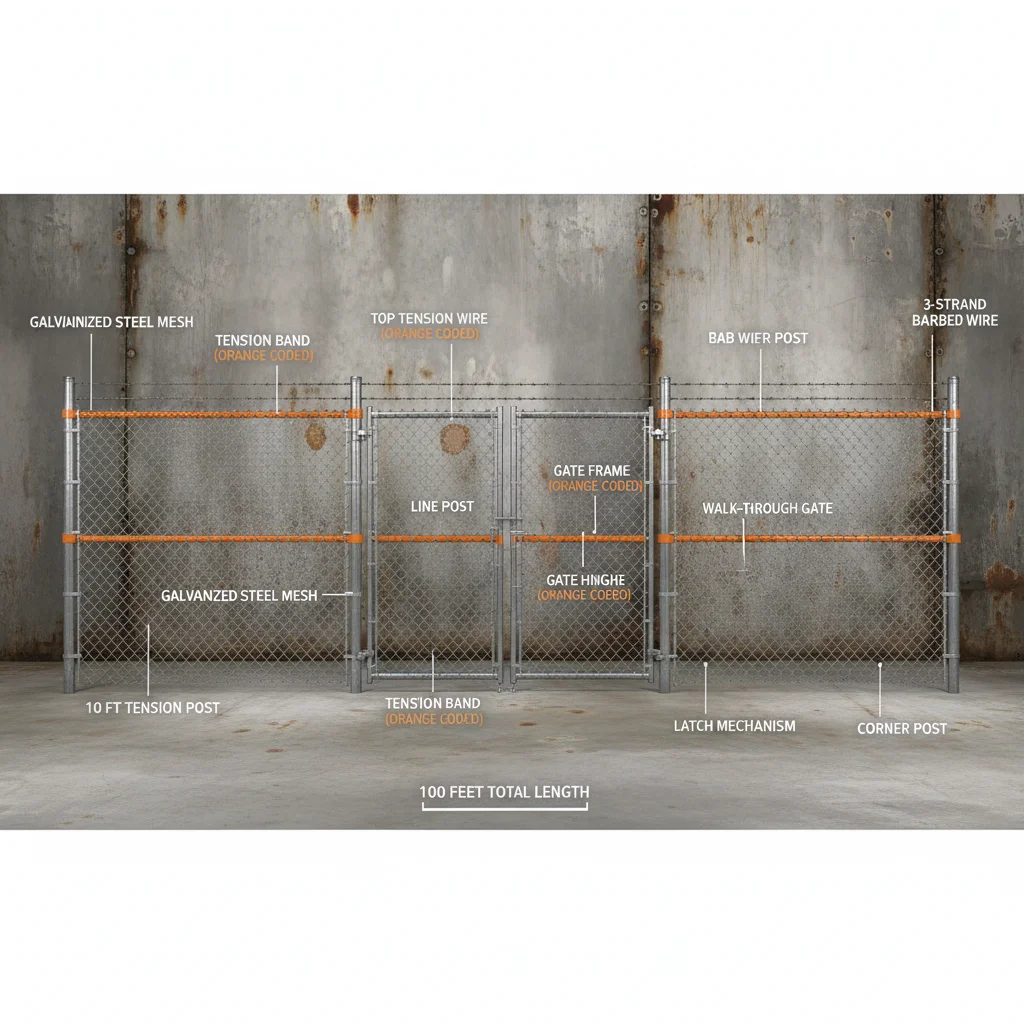
Finally, the tension and stability of the system depend on the quality of the posts and tension bars. Without proper anchoring, even the strongest mesh can sag over time. The integration of heavy-duty steel pipes and secure fasteners ensures that the fence remains taut and professional in appearance throughout its lifecycle.
Strategic Applications Across Diverse Sectors
The versatility of the chain fence allows it to be deployed in a vast array of real-world contexts. In the agricultural sector, it is the gold standard for livestock containment, providing a secure perimeter that protects animals from predators while remaining cost-effective over large acreages.
In industrial and municipal zones, these fences are used to secure utility substations, construction sites, and public parks. For example, in remote industrial zones where maintenance visits are infrequent, the low-maintenance nature of galvanized mesh reduces the operational cost of facility management.
Performance Analysis of Different Chain Fence Variations
Long-Term Economic and Functional Value
Investing in a high-quality chain fence provides tangible long-term benefits, primarily through the drastic reduction in replacement costs. Unlike wooden fences that rot or vinyl fences that can crack under extreme temperatures, steel mesh is designed for endurance, offering a lifecycle that can span several decades.
From a psychological perspective, a well-installed fence provides a sense of order and safety. Whether it is protecting a residential garden or a massive industrial warehouse, the visual presence of a sturdy barrier fosters trust and security, ensuring that assets are protected and boundaries are respected without the need for constant surveillance.
Future Innovations in Fencing Technology
The future of the chain fence is being shaped by the drive toward sustainability. We are seeing a rise in the use of recycled steel and "green" galvanization processes that reduce the emission of hazardous chemicals during production, aligning the industry with global ESG (Environmental, Social, and Governance) goals.
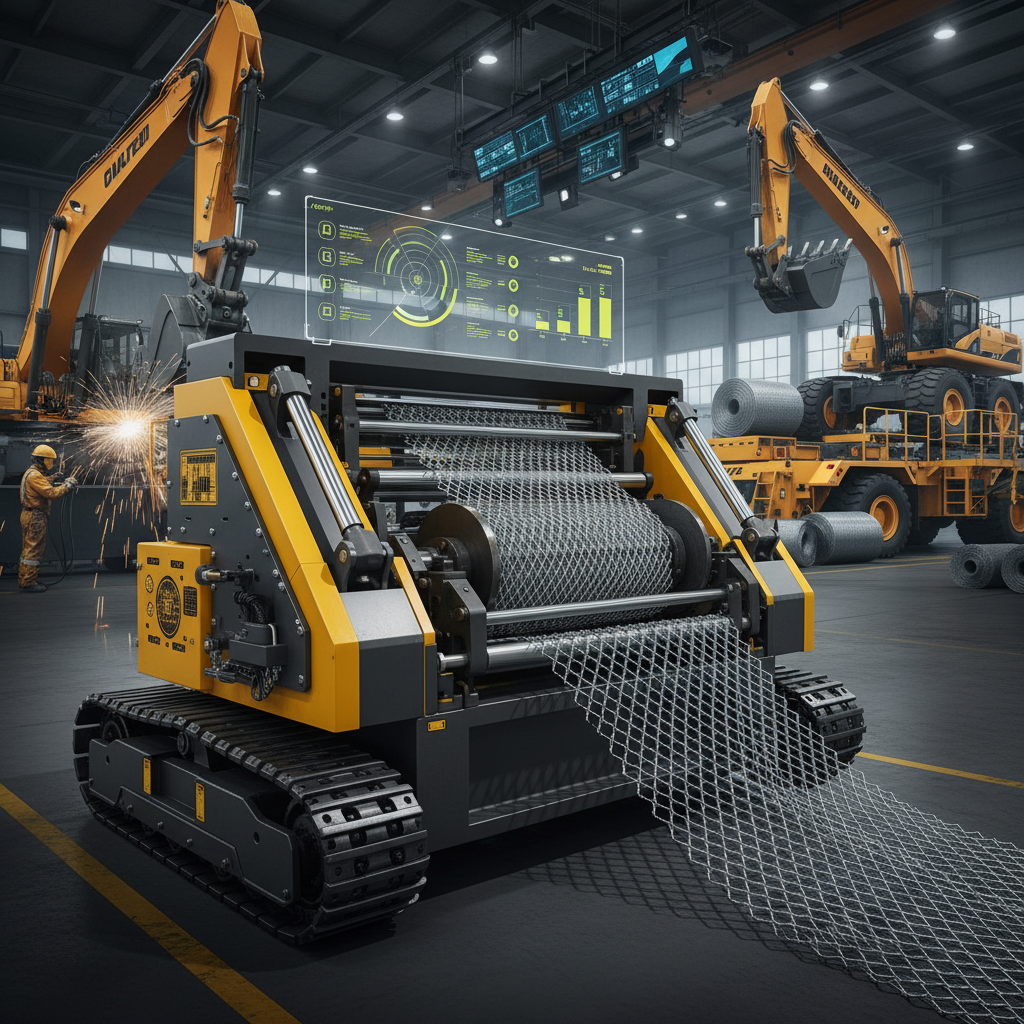
Furthermore, the integration of smart technology is beginning to touch the fencing world. From sensors that detect breaches in the mesh to the use of automated robotic welding for more precise and stronger joins, the "dumb" barrier is becoming a data-informed security layer.
Automation in the manufacturing process is also reducing the cost of customization. Customers can now order bespoke mesh sizes and coating colors with the same efficiency as standard products, allowing for a more seamless integration of security fences into the architectural aesthetics of modern buildings.
Overcoming Common Installation Challenges
One of the most common limitations in current fencing practices is the issue of "sagging" over time. This usually occurs due to improper tensioning during the initial installation. To overcome this, experts recommend the use of high-quality tension wires and professional stretching tools that ensure the mesh is locked in place with surgical precision.
Another challenge is soil instability, which can lead to leaning posts. The solution lies in the adoption of deeper concrete footings or the use of screw-pile foundations, which provide a more stable anchor in sandy or clay-heavy soils, ensuring the chain fence remains vertical and effective.
Finally, corrosion in high-humidity areas often catches owners by surprise. The innovative approach here is the "dual-coating" method—combining hot-dip galvanization with a PVC top coat. This creates a double layer of protection that virtually eliminates the possibility of rust, extending the maintenance cycle significantly.
Comparative Analysis of Chain Fence Installation and Maintenance
| Material Type |
Installation Complexity |
Maintenance Need |
Lifespan Rating |
| Galvanized Steel |
Moderate |
Low |
8/10 |
| PVC Coated |
Moderate |
Very Low |
9/10 |
| Stainless Steel |
High |
Minimal |
10/10 |
| Powder Coated |
Low |
Moderate |
7/10 |
| Electro-Galvanized |
Low |
High |
5/10 |
| Vinyl-Wrapped |
Moderate |
Low |
8/10 |
FAQS
Choosing the right gauge depends on your security needs. For residential or light agricultural use, a 11 or 12.5 gauge is usually sufficient. However, for industrial sites or high-security perimeters, a 9 gauge wire is recommended as it is significantly thicker and harder to cut or deform.
Galvanized is excellent for general durability and cost-effectiveness. PVC coating is superior for environments with high moisture, salt, or chemicals, as it adds an extra plastic barrier over the galvanized steel, further preventing rust and offering a cleaner aesthetic choice.
Yes, chain link fences are highly adaptable. They can be installed using a "raking" technique, where the mesh is stretched to follow the contour of the slope. This ensures that the boundary remains continuous and secure even on hilly landscapes.
With high-quality hot-dipped galvanization and proper installation, a chain fence can easily last 20 to 50 years. The lifespan depends heavily on the environmental exposure and the quality of the coating used to protect the steel core.
Yes, it is one of the most sustainable fencing options. Steel is highly recyclable, and because of its extreme longevity, it requires far fewer replacements than wood or plastic alternatives, reducing the total carbon footprint over the life of the installation.
Prevention starts with using a top rail and a tension wire at the bottom. Ensuring that the fence is stretched using a professional fence stretcher during installation is crucial to maintaining the diamond shape and preventing the mesh from drooping.
Conclusion
The chain fence remains a fundamental tool in modern security and agricultural management, blending raw strength with practical flexibility. From the selection of the correct wire gauge to the application of advanced anti-corrosive coatings, every technical detail contributes to a system that provides reliable, long-term protection for assets and livestock alike.
As we look toward a future of smarter, greener infrastructure, the evolution of woven mesh technology will continue to prioritize sustainability and efficiency. Whether you are upgrading an existing perimeter or planning a new facility, investing in high-grade materials today ensures a secure and maintenance-free tomorrow. Visit our website for more professional solutions: www.cowanfences.com