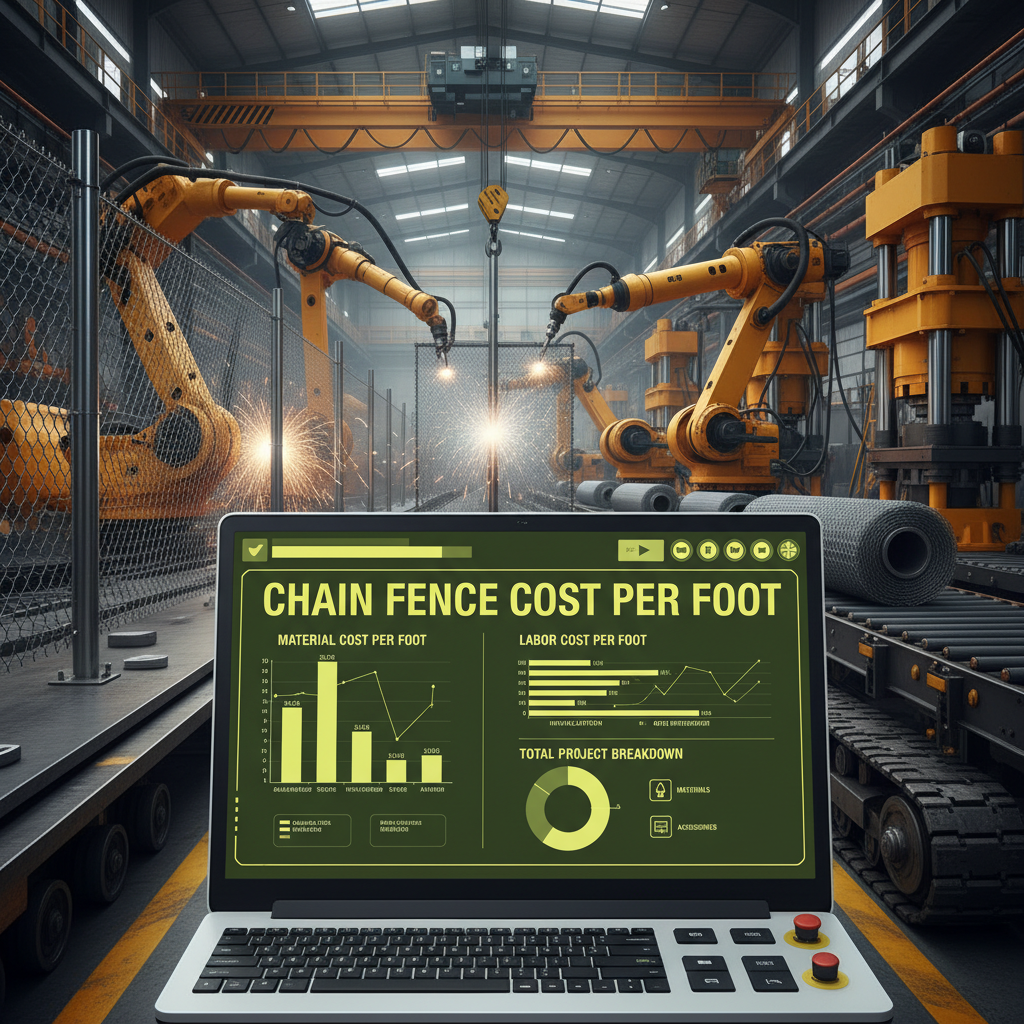
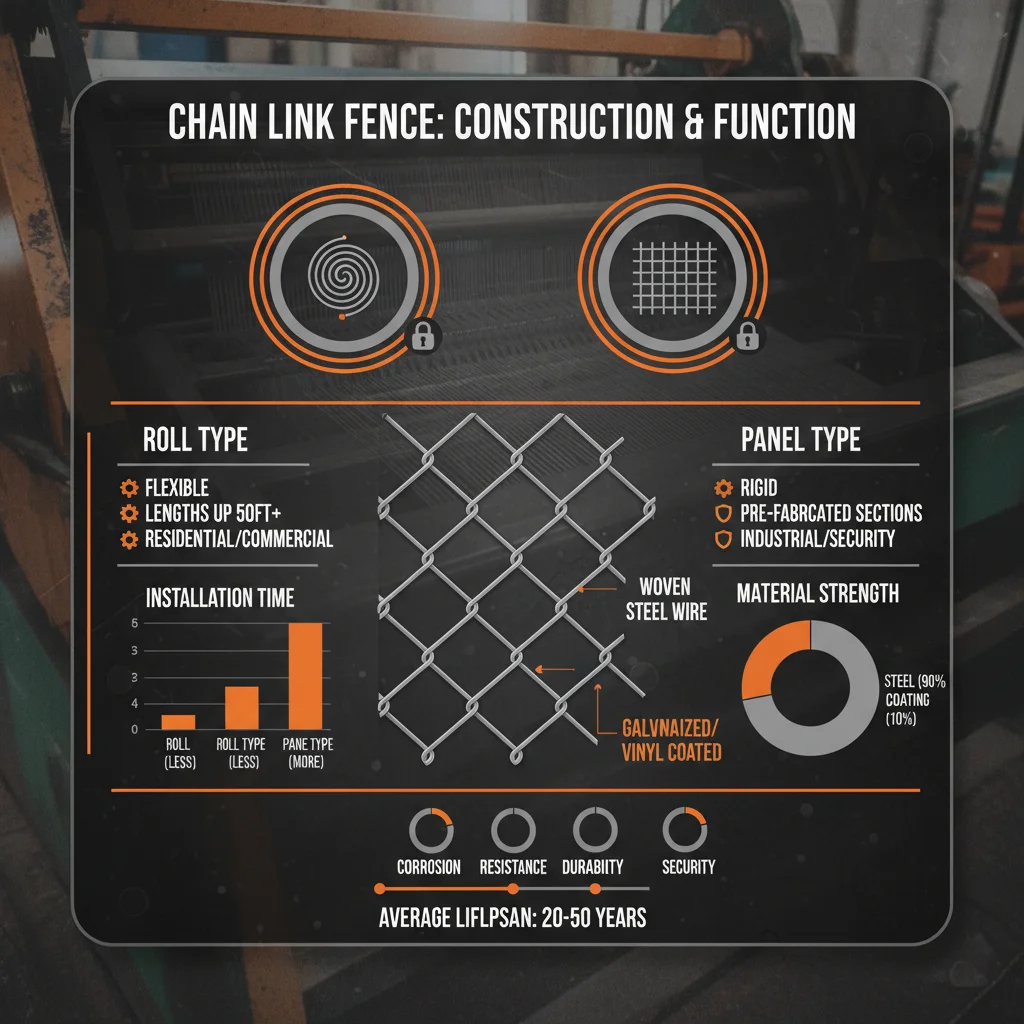
Understanding the chain fence cost per foot is essential for any property owner, farmer, or industrial manager looking to secure their perimeter without overspending. While the initial price point is a critical metric, the true value of a fencing project lies in the intersection of material quality, installation precision, and long-term durability.
Across the global manufacturing and agricultural sectors, budgeting for security infrastructure requires a nuanced approach. The chain fence cost per foot is not a static number but a variable influenced by gauge thickness, coating types, and regional labor market fluctuations, making it vital to analyze these components before procurement.
By mastering the factors that drive the chain fence cost per foot, stakeholders can make informed decisions that balance immediate budgetary constraints with the necessity of high-performance security. Whether for livestock management or industrial site protection, strategic planning ensures a high return on investment.
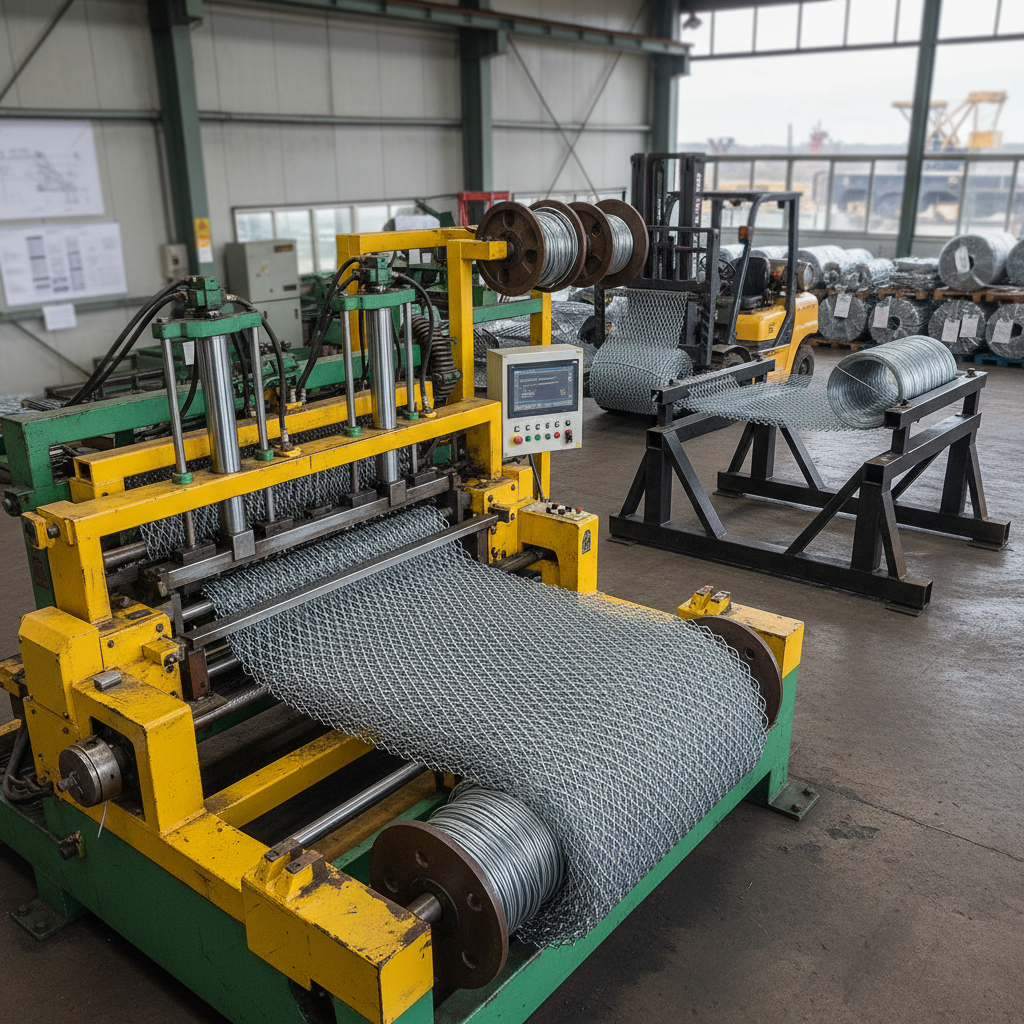
Global Market Drivers of Chain Fence Cost Per Foot
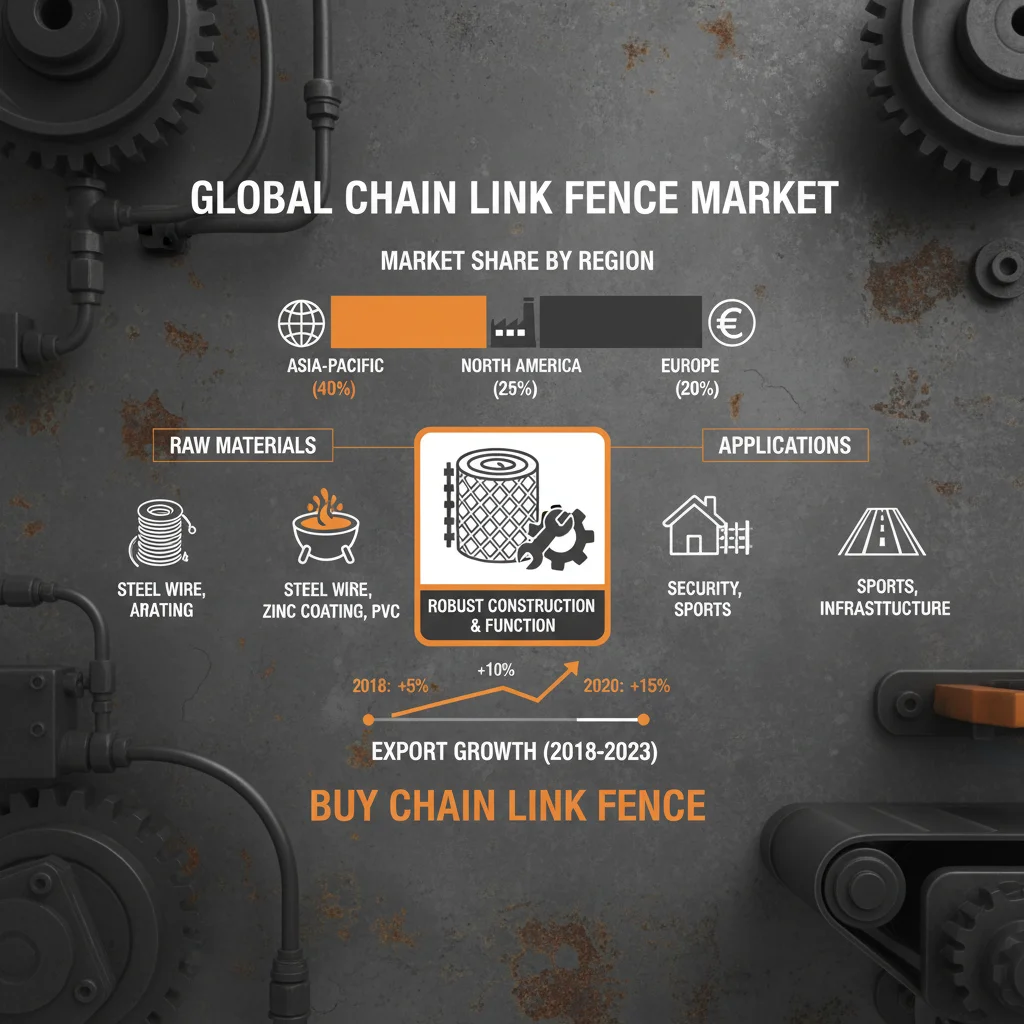
The global volatility of steel prices, regulated by international trade policies and raw material availability, directly impacts the chain fence cost per foot. As a primary commodity, galvanized steel fluctuates based on mining output and energy costs, meaning that procurement timing can significantly alter the final project budget for large-scale industrial sites.
Furthermore, logistics and shipping costs play a pivotal role in regional pricing. In remote agricultural zones or emerging industrial hubs, the cost of transporting heavy wire mesh rolls and steel posts can add a hidden premium to the base chain fence cost per foot, necessitating local sourcing or bulk ordering to optimize expenses.
Core Material Components and Pricing Logic
The fundamental driver of the chain fence cost per foot is the gauge of the wire. A lower gauge number indicates a thicker wire, which provides superior strength and security but increases the weight and material volume, thereby raising the price. For high-security industrial zones, a 9-gauge wire is standard, whereas residential or light agricultural use may opt for 11-gauge to reduce costs.
Coatings are the second most influential factor. Galvanized steel is the industry standard for corrosion resistance, but PVC-coated options offer an additional layer of protection and aesthetic appeal. This premium coating increases the chain fence cost per foot but significantly extends the lifespan of the fence in coastal or high-humidity environments.
Lastly, the mesh size—the diameter of the diamond opening—affects the amount of steel used per linear foot. Smaller mesh sizes (e.g., 2 inches) require more wire than larger mesh sizes (e.g., 3 inches), which naturally pushes the chain fence cost per foot higher while providing a tighter barrier against intruders or small animals.
Determining the Total Cost of Ownership
When analyzing the chain fence cost per foot, one must look beyond the material cost to the installation labor. Soil composition, terrain slope, and the requirement for concrete footings can cause the labor portion of the cost to fluctuate wildly, sometimes doubling the initial estimate.
A critical oversight in budgeting is ignoring the "accessories" cost. Tension wires, tie wires, and capping rails are essential for structural integrity, and while they are often quoted separately, they are intrinsically linked to the overall chain fence cost per foot calculation.
Ultimately, the most economical choice is not the one with the lowest chain fence cost per foot today, but the one with the lowest maintenance requirement over ten years. High-quality galvanization reduces the need for rust treatment and replacement, lowering the long-term financial burden.
Comparative Analysis of Fencing Material Efficiency
To truly understand value, we must compare the chain fence cost per foot against alternative materials like welded wire or wooden fencing. While wood may seem cheaper initially, its susceptibility to rot and pests often makes it more expensive over a five-year period compared to the durable nature of chain link systems.
Industrial grade chain link provides an unmatched balance of transparency and security. When evaluating the chain fence cost per foot, the efficiency of installation—especially when using professional tensioning tools—allows for rapid deployment over vast acreages, reducing the man-hour costs associated with more complex fencing types.
Material Value Comparison based on Chain Fence Cost Per Foot
Industrial Applications and Scale Economics
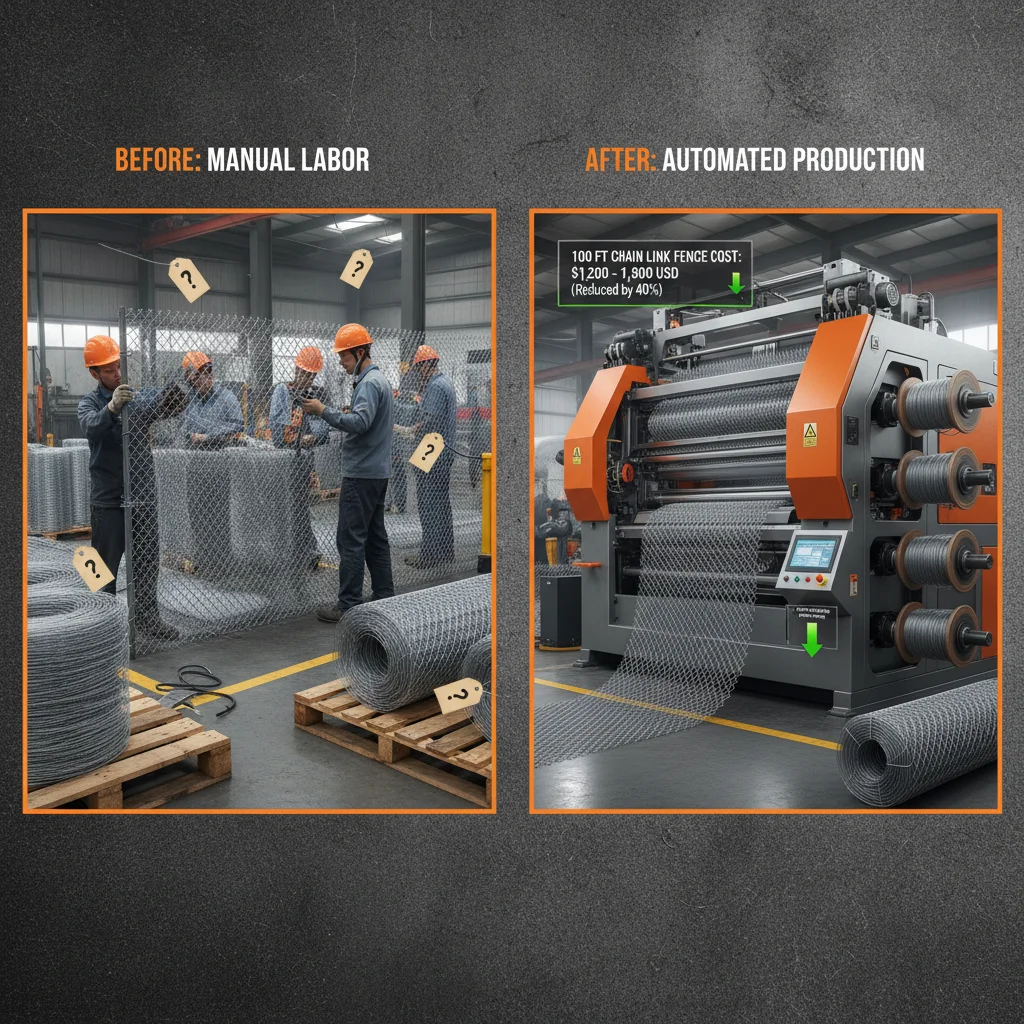
In large-scale industrial applications, such as mining sites or construction depots, the chain fence cost per foot is optimized through bulk procurement. Buying materials in massive quantities allows manufacturers to offer wholesale pricing, which can drop the per-foot cost by 15-30% compared to retail purchases for small residential plots.
Furthermore, the use of specialized equipment for installation in industrial settings further reduces the effective chain fence cost per foot by slashing labor time. Automated post-hole diggers and mechanical tensioners allow teams to cover miles of perimeter in a fraction of the time, proving that scale is the best friend of budget management.
Long-Term Value and Maintenance ROI
The long-term financial viability of a fencing project depends on the balance between the initial chain fence cost per foot and the subsequent maintenance expenses. A cheap, under-galvanized fence may save money upfront but will require expensive rust-remediation treatments every three to five years, eventually exceeding the cost of a premium installation.
Reliability is a non-negotiable factor in livestock and security fencing. When the chain fence cost per foot includes high-tensile strength materials, the risk of breach or failure is minimized. For a livestock farmer, the cost of one lost animal can far outweigh the savings gained from choosing a lower-grade fence.
Ultimately, investing in a slightly higher chain fence cost per foot provides peace of mind and structural dignity. The trust that a perimeter is secure allows business owners to focus on operations rather than constant repairs, transforming a simple expense into a strategic asset.
Future Innovations in Perimeter Cost Management
The future of the chain fence cost per foot is being shaped by material science. The introduction of advanced alloys and eco-friendly coatings is reducing the reliance on traditional zinc galvanization, potentially lowering costs while increasing resistance to extreme environmental stressors.
Digital transformation is also impacting how we calculate the chain fence cost per foot. AI-driven estimation tools and BIM (Building Information Modeling) now allow project managers to calculate exact material needs with zero waste, effectively reducing the overall project cost by eliminating over-ordering.
As sustainability becomes a global mandate, we are seeing a shift toward recycled steel in fence manufacturing. This not only reduces the carbon footprint but also stabilizes the chain fence cost per foot by diversifying the supply chain and reducing dependence on volatile raw ore markets.
Comparative Analysis of Future Fence Material Specifications
| Material Type |
Impact on Cost Per Foot |
Durability Score (1-10) |
Eco-Friendliness |
| Standard Galvanized |
Baseline |
7 |
Moderate |
| PVC Coated Steel |
Moderate Increase |
9 |
Low |
| Recycled Alloy |
Slight Decrease |
8 |
High |
| High-Tensile Steel |
Moderate Increase |
10 |
Moderate |
| Composite Mesh |
High Increase |
8 |
High |
| Electro-Galvanized |
Slight Increase |
6 |
Moderate |
FAQS
For typical residential projects, the chain fence cost per foot usually ranges from $15 to $30, including basic installation. This depends heavily on the height of the fence (usually 4 to 6 feet) and whether you choose a standard galvanized finish or a decorative PVC coating, which adds a premium to the price.
Yes, the wire gauge is one of the primary cost drivers. A 9-gauge wire is thicker and more durable than an 11-gauge wire, requiring more raw steel. Consequently, opting for a heavier gauge will increase the chain fence cost per foot but provide substantially better security and longevity for industrial or high-traffic areas.
Installation can often double the material cost. Factors such as rocky soil requiring specialized drilling, steep terrain, or the need for concrete footings increase labor hours. When calculating the chain fence cost per foot, it is advisable to allocate 40% to 60% of your budget to professional labor to ensure structural stability.
In corrosive environments, such as coastal regions or industrial sites with chemical exposure, the extra chain fence cost per foot for PVC coating is a wise investment. It prevents the underlying steel from rusting, reducing maintenance costs and extending the fence's life by several years compared to standard galvanization.
Absolutely. Manufacturers and wholesalers typically offer tiered pricing. For large commercial or agricultural projects, buying in bulk can reduce the chain fence cost per foot by 15% to 30%. Additionally, ordering entire rolls and standard post lengths reduces waste and minimizes custom cutting charges.
Smaller mesh openings (e.g., 2-inch diamonds) require more wire per square foot than larger openings (e.g., 3-inch diamonds). Therefore, a tighter mesh increases the chain fence cost per foot. While more expensive, smaller mesh is often necessary for keeping out smaller animals or increasing security against intruders.
Conclusion
Navigating the complexities of the chain fence cost per foot requires a balance between immediate expenditure and long-term utility. From the choice of wire gauge and coating to the nuances of installation labor and bulk procurement, every variable plays a role in the final investment. By prioritizing quality materials and precise planning, property owners can ensure their security infrastructure remains robust and cost-effective over time.
Looking forward, the integration of sustainable materials and digital estimation tools will continue to optimize the chain fence cost per foot, making high-security solutions more accessible. We recommend conducting a detailed site analysis and consulting with expert manufacturers to tailor a fencing solution that meets your specific security needs without compromising your budget. For professional guidance and premium products, visit our website: www.cowanfences.com.