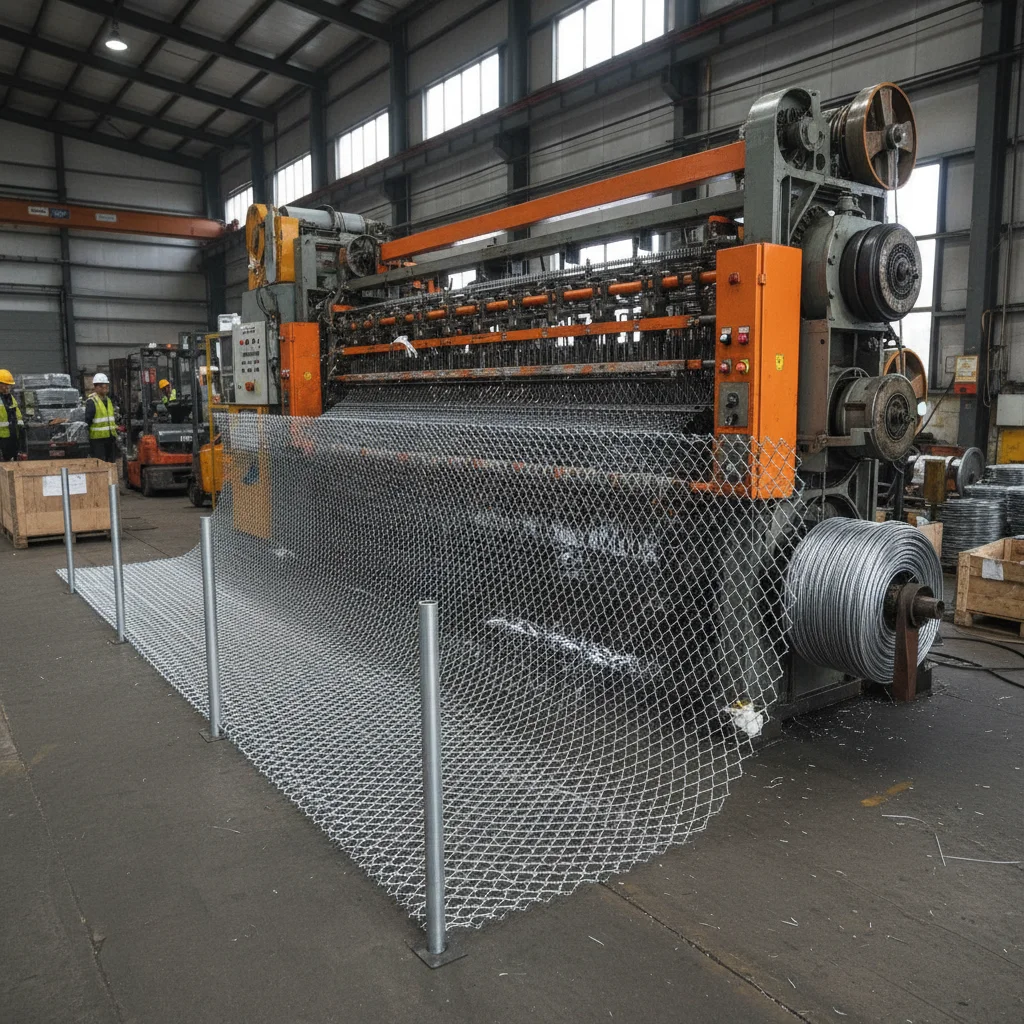
Choosing the Right 75 ft Chain Link Fence for Your Property
Securing a perimeter requires a balance of durability, visibility, and cost-effectiveness. Whether you are enclosing a backyard, a commercial lot, or a sports area, a 75 ft chain link fence offers a versatile and long-lasting solution. Chain link fencing is prized for its strength and low maintenance, making it a go-to choice for property owners worldwide. In this guide, we will explore the specifications, installation tips, and the various benefits of selecting this specific length and style to ensure your boundary is both secure and aesthetically pleasing.

Why a 75 ft Chain Link Fence is the Ideal Choice
A 75-foot span is a common requirement for residential side yards or small commercial enclosures. The primary advantage of the 75 ft chain link fence is its unmatched versatility. Unlike solid privacy fences, chain link allows for airflow and clear visibility, which is essential for safety and monitoring. Furthermore, the galvanized steel coating prevents rust and corrosion, ensuring that the fence remains structural sound even in harsh weather conditions. It provides a formidable barrier against intruders and pets without making the space feel enclosed or claustrophobic.
Pro Tip: When planning your 75 ft stretch, always account for an extra 5% of material to handle corners and tensioning, ensuring a tight, professional finish.
Materials and Specifications for Your Fence
Not all chain link fences are created equal. The gauge of the wire and the diameter of the posts significantly impact the overall strength of the 75 ft chain link fence. For most residential needs, a 11-gauge or 12.5-gauge wire is sufficient. However, for high-security areas, a thicker gauge is recommended. Below is a detailed specification table to help you choose the right components for your project.
Comparing Chain Link to Other Fencing Types
When deciding on a 75 ft chain link fence, it is helpful to compare it against other popular materials like wood or vinyl. While wood offers complete privacy, it requires frequent staining and is prone to rot. Vinyl is low maintenance but can be significantly more expensive. Chain link remains the champion of cost-per-foot and longevity. It allows the landscape to remain visible, which is often a requirement in many local zoning laws for front-yard boundaries.

Step-by-Step Installation of a 75 ft Chain Link Fence
Installing a 75 ft chain link fence requires precision to avoid sagging. The process begins with clear marking of the perimeter and digging holes for the terminal posts. Once the posts are set in concrete and cured, the top rail is installed to provide structural support. The fabric is then unrolled and stretched using a fence stretcher. Finally, tension bars and ties are used to secure the mesh to the posts, creating a rigid and secure boundary that can withstand pressure from pets or wind.
Maintenance Tips for Long-Term Durability
While chain link is known for being low-maintenance, a small amount of care will extend the life of your 75 ft chain link fence. Periodically check for loose ties or sagging sections and tighten them with a fence tool. If you notice any scratches in the galvanized coating, applying a cold-galvanizing spray can prevent rust from spreading. Additionally, keeping vegetation trimmed away from the fence line prevents organic debris from trapping moisture against the metal, which is the most common cause of premature corrosion.
Budgeting and Cost Analysis for 75 ft Coverage
Cost is a driving factor for most buyers. A 75 ft chain link fence is typically more affordable than almost any other security fencing option. The price varies based on the height (4ft, 6ft, or 8ft) and the coating choice. By opting for galvanized steel, you minimize upfront costs while maximizing longevity. When calculating your budget, remember to include the cost of concrete for the posts and the hardware for the gates, as these are essential for a complete and secure installation.
Conclusion: Secure Your Space with Quality Fencing
Investing in a 75 ft chain link fence is a practical decision for any property owner seeking a blend of security, visibility, and affordability. Its robust nature and ease of installation make it an enduring choice for both residential and commercial applications. By selecting the right gauge and maintaining the structure, you ensure a safe environment for your family or business for decades to come. Choose quality materials and professional planning to get the most out of your perimeter security.
Frequently Asked Questions (FAQs)
How long does it take to install a 75 ft chain link fence?
For a DIY enthusiast, installing a 75 ft section typically takes between two to three weekends. The first phase involves digging and setting posts in concrete, which requires a curing period of 24 to 48 hours. The second phase involves installing the top rails and stretching the fabric. Professional installers can usually complete the project in 1-2 days. The timeline may vary depending on the soil hardness and the complexity of the terrain.
Is a 75 ft chain link fence effective for keeping pets contained?
Yes, it is highly effective. The diamond mesh prevents most pets from squeezing through, and the strength of the galvanized steel resists chewing or pushing. However, for small dogs that may dig, we recommend adding a tension wire at the bottom or burying a small portion of the mesh underground. The visibility of the fence also allows pets to see their surroundings, which reduces anxiety for many animals compared to solid walls.
Can I add privacy slats to my chain link fence?
Absolutely. One of the greatest benefits of the 75 ft chain link fence is the ability to customize it. Privacy slats are plastic strips that slide vertically into the mesh, blocking the view and reducing wind. This allows you to have the structural strength of a chain link fence with the visual privacy of a solid fence. Slats are easy to install and can be replaced or changed in color as your preferences evolve.
What is the difference between galvanized and PVC coated chain link?
Galvanized fencing is coated in zinc to prevent rust and is the most cost-effective option. PVC coated fencing features a layer of plastic (usually green or black) over the galvanized steel. PVC provides an extra layer of protection against corrosion, making it ideal for coastal areas with salty air. Additionally, PVC coatings blend more naturally into landscapes and gardens, offering a softer look than the industrial silver of standard galvanized steel.