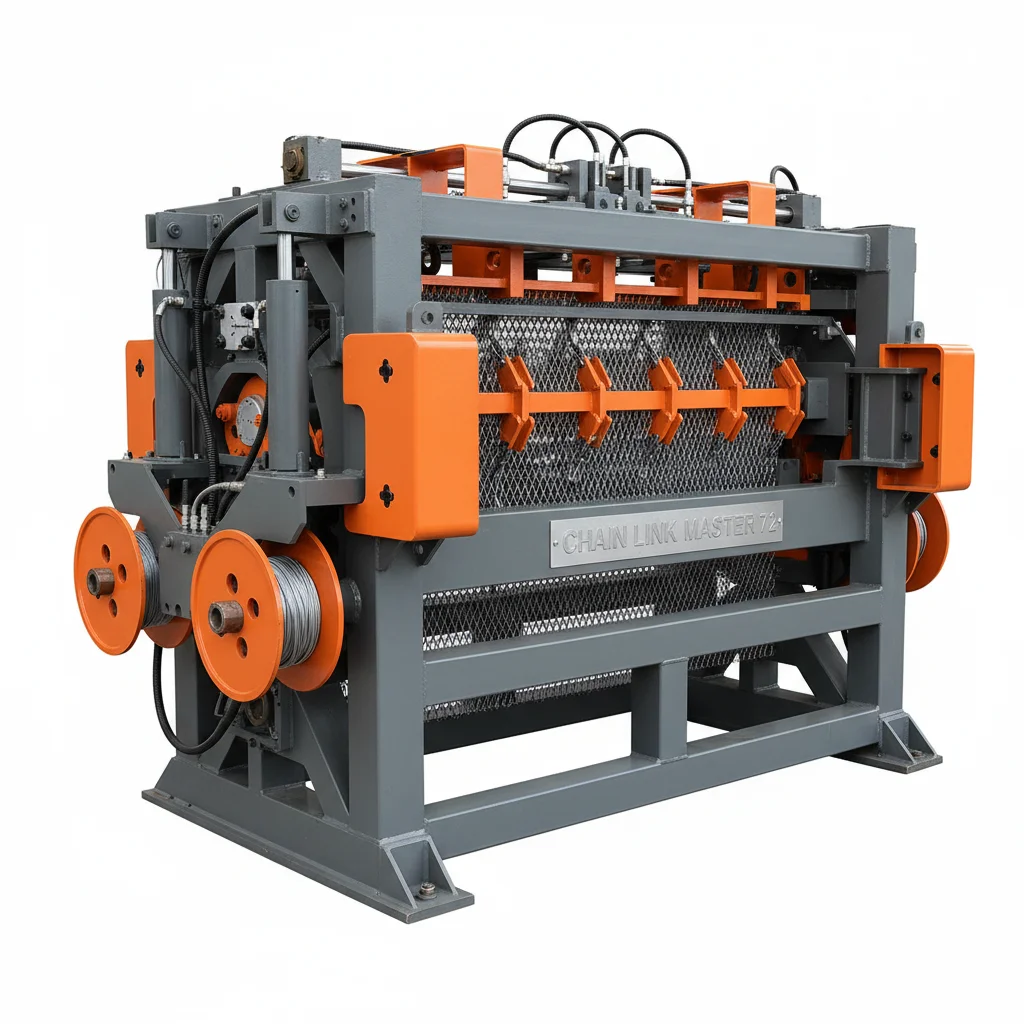
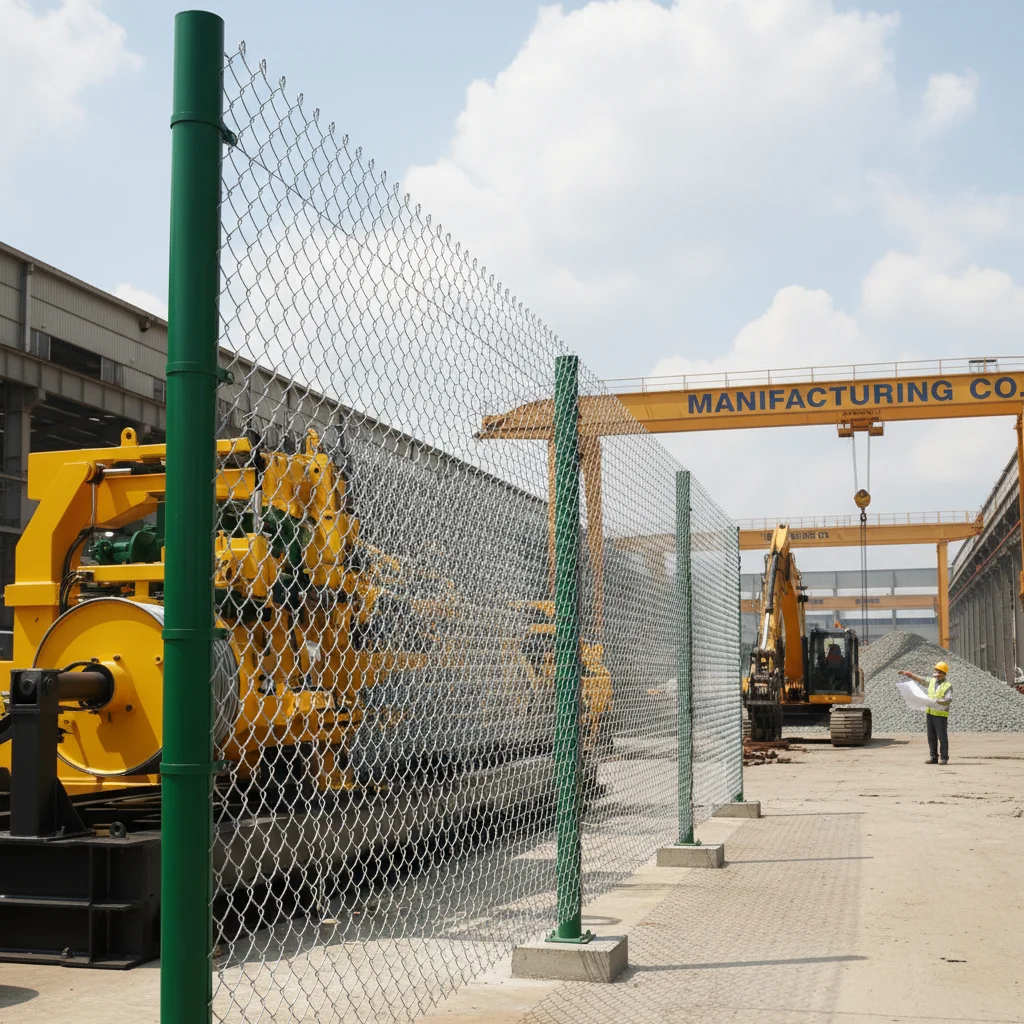
When it comes to securing perimeters, the evolution of fencing technology has led to a sophisticated understanding of chain link fence components and their modern alternatives. While traditional barriers focused solely on utility, the integration of laser cutting technology has redefined how we perceive security and design, offering a high-precision approach to boundary management.
Understanding the synergy between structural integrity and aesthetic appeal is crucial for architects and facility managers globally. By analyzing the core attributes of high-performance fencing—such as material composition and coating technologies—users can implement solutions that not only deter unauthorized access but also enhance the visual value of the property.
From residential gardens to heavy-duty industrial sites, the demand for durable, low-maintenance, and customizable barriers continues to grow. This article explores the transition from basic chain link fence components to advanced laser-cut systems, highlighting the technical advantages and practical applications of precision-engineered fencing.

Global Context of Modern Fencing Components
In the current global industrial landscape, the requirements for perimeter security have shifted from simple containment to a balance of safety and architectural harmony. Traditional chain link fence components have long served as the industry standard due to their cost-effectiveness, yet modern urban development demands higher precision and better corrosion resistance to meet ISO quality standards.
The challenge facing many facility managers today is the rapid degradation of traditional metal barriers in humid or coastal environments. This has led to a global surge in the adoption of laser-cut panels and high-grade coatings, which minimize maintenance costs and extend the lifecycle of the installation, ensuring that security does not come at the expense of aesthetics.
Defining Precision Engineering in Fencing
Precision engineering in the context of modern fencing refers to the use of state-of-the-art laser cutting technology to create panels with extreme accuracy. Unlike traditional chain link fence components that rely on weaving or punching, laser cutting allows for intricate designs, custom logos, and geometric patterns with tight tolerances.
This technological shift ensures that every panel is uniform, which is critical for large-scale industrial installations where alignment is paramount. By using high-quality steel, stainless steel, or aluminum, these systems provide a rigid structure that resists bending and deformation, offering a level of robustness that exceeds standard wire mesh.
Beyond strength, the definition of precision extends to the finish. The application of hot-dip galvanization, powder coating, or PVC coating ensures that the engineered components are shielded from UV radiation, rain, and humidity, bridging the gap between industrial-grade security and high-end architectural design.
Core Factors of Laser Cut Security Systems
One of the primary factors is Material Durability. While basic chain link fence components provide flexibility, laser-cut panels utilize high-strength alloys that provide superior resistance to external impacts and forced entry, making them ideal for high-security zones.
Customization and Aesthetics play a critical role in modern urban planning. The ability to incorporate decorative motifs or corporate branding directly into the security barrier allows the fence to function as a piece of art while maintaining a strict perimeter, a feat impossible with standard wire components.
Finally, Installation Efficiency is driven by modular design. Because each component is cut to precise dimensions, the alignment with posts and brackets is seamless, significantly reducing labor costs and installation time compared to traditional manual tensioning methods used in other fencing types.
Global Applications and Use Cases
Laser-cut fencing is increasingly deployed in diverse environments where both form and function are required. In public spaces such as botanical gardens and urban parks, these systems create elegant boundaries that blend with the landscape while protecting sensitive flora and guiding pedestrian traffic.
In contrast, industrial sectors—including warehouses, factories, and construction sites—utilize the high-strength versions of these components to prevent unauthorized access. The corrosion-resistant coatings ensure that even in harsh industrial atmospheres, the fence remains a professional-looking and secure asset.
Performance Comparison of Fencing Systems
Long-Term Value and Sustainability
Investing in precision-engineered fencing offers significant long-term financial value. While the initial cost may be higher than basic chain link fence components, the reduction in maintenance—such as the elimination of frequent rust treatment and panel sagging—leads to a lower total cost of ownership over a decade.
Furthermore, the sustainability aspect is enhanced through the use of recyclable materials like aluminum and stainless steel. The longevity of powder-coated finishes reduces the need for chemical repainting, making it an eco-friendly choice for organizations aiming to meet green building certifications and reduce their environmental footprint.
Future Trends in Perimeter Security
The future of perimeter security is moving toward "smart" integration. We are seeing a trend where laser-cut panels are designed to seamlessly house sensors, cameras, and biometric access points without compromising the structural integrity or the aesthetic flow of the fence line.
Automation in manufacturing is also playing a role. AI-driven design software now allows clients to upload architectural blueprints, which are then automatically converted into optimized laser-cutting paths, ensuring zero material waste and perfect fitment for irregular terrains.
Additionally, there is a growing shift toward hybrid systems. Combining the strength of laser-cut panels with the visibility of specialized wire mesh components allows for tiered security levels within a single property, optimizing both cost and protection.
Challenges and Expert Solutions
One common challenge in high-end fencing is the potential for "over-design," where intricate patterns may inadvertently create climbing points. Expert solutions involve strategic perforation placement—ensuring that while the design is beautiful, there are no easy footholds for intruders.
Another limitation is the installation on extremely uneven terrain. To solve this, modular mounting systems with adjustable brackets are used, allowing the laser-cut panels to maintain a level top line even when the ground slopes sharply, ensuring a professional finish across the entire boundary.
Finally, corrosion in extreme saline environments remains a hurdle. The industry response has been the development of "Duplex" coatings—a combination of hot-dip galvanizing followed by powder coating—providing a double layer of protection that outperforms standard chain link fence components in coastal regions.
Comparative Analysis of Fencing Material Performance
| Material Type |
Corrosion Resistance |
Installation Speed |
Security Level |
| Laser-Cut Steel |
High (Powder Coated) |
Fast (Modular) |
Excellent |
| Standard Chain Link |
Medium (Galvanized) |
Medium |
Basic |
| Stainless Steel Panel |
Very High |
Fast |
Superior |
| Aluminum Laser-Cut |
Very High |
Very Fast |
High |
| PVC Coated Mesh |
High |
Medium |
Medium |
| Wrought Iron Style |
Low (requires paint) |
Slow |
High |
FAQS
Laser-cut panels provide a rigid, non-climbable structure with customizable designs, whereas traditional chain link components offer a flexible, woven mesh. Laser-cut systems prioritize both high security and architectural aesthetics, making them better suited for commercial and decorative residential use.
While the material cost is higher, the modular nature of laser-cut systems often reduces labor hours. Because the panels align perfectly with posts, installation is faster and requires less manual adjustment than tensioning a chain link fence.
For coastal environments, we recommend a Duplex system: hot-dip galvanization followed by a high-grade powder coating or PVC layer. This provides a redundant barrier against salt-spray corrosion, ensuring the fence lasts significantly longer than standard galvanized components.
Yes, one of the greatest advantages of laser-cut technology is the ability to integrate custom logos, motifs, or specific geometric shapes into the fence panels, effectively turning your security perimeter into a branding opportunity.
Maintenance is minimal. Due to the advanced coatings, most panels only require occasional cleaning with water and a mild detergent to remove dust and debris. Unlike traditional steel, there is no need for frequent scraping or repainting if powder coating is used.
Aluminum offers excellent strength-to-weight ratios and superior corrosion resistance. While steel is slightly harder to penetrate, high-gauge aluminum panels provide more than enough security for most residential and commercial applications while being much easier to handle during installation.
Conclusion
The transition from basic chain link fence components to precision laser-cut systems represents a broader shift in the manufacturing industry toward the integration of security and design. By leveraging advanced materials and modular engineering, property owners can now achieve a perimeter that is not only impenetrable and durable but also visually striking.
Looking forward, the continued evolution of coating technologies and smart-fence integration will further redefine the boundaries of perimeter protection. For those seeking a long-term investment that enhances property value while ensuring maximum safety, precision-engineered fencing is the definitive choice. Visit our website: www.cowanfences.com