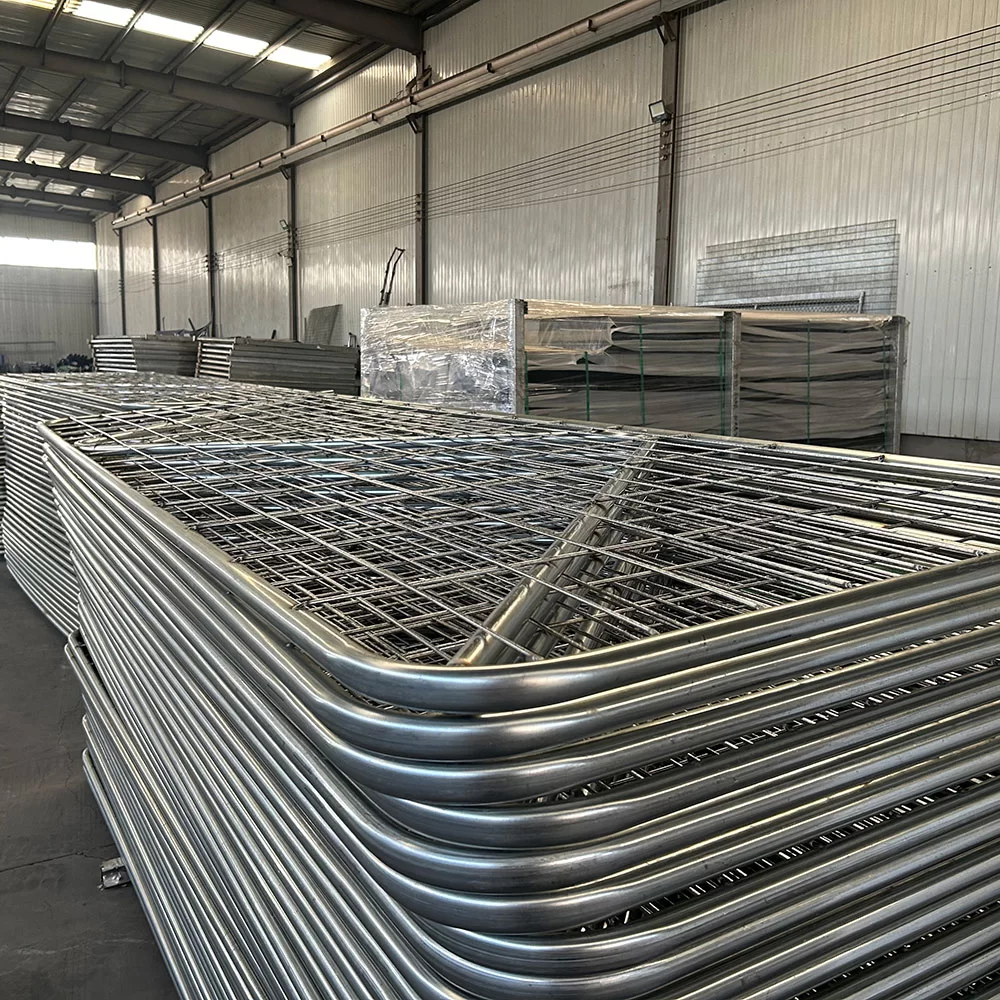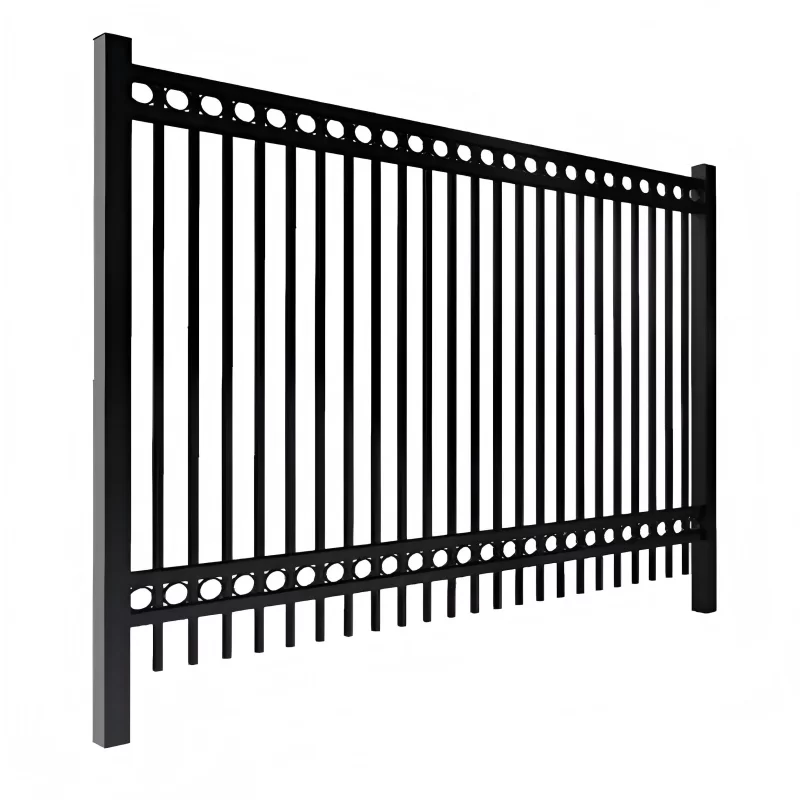
In Zimbabwe, the manufacturing of building materials is heavily influenced by the duality of large-scale mining operations and a thriving agricultural base. The local market faces a constant challenge with soil acidity and high UV exposure, which accelerates the degradation of standard steel. Consequently, there is a critical need for high-quality gi wire fencing cost optimizations that do not compromise on the zinc coating thickness to prevent premature rust.
Urban centers like Harare and Bulawayo are seeing a surge in residential security demands, where the garden chain link fence has become a staple for perimeter definition. However, the transition from manual weaving to automated production is slow, leading to inconsistencies in mesh aperture and tension across local suppliers.
For the industrial sector, particularly in the Great Dyke mining region, the requirement for an iron chain link fence is paramount for site safety. The harsh operational environment demands equipment that can produce heavy-gauge wires capable of withstanding physical impact and extreme weather fluctuations typical of the Zimbabwean plateau.