Securing Your Perimeter with Chain Link Fence with Barbed Wire
When it comes to high-security boundary protection, the integration of a chain link fence with barbed wire offers an unmatched combination of visibility and deterrence. Whether you are securing an industrial site, a military installation, or a large commercial warehouse, this fencing solution provides a robust physical barrier that discourages unauthorized entry. By combining the structural flexibility of chain link mesh with the psychological and physical deterrent of barbed wire, property owners can ensure a higher level of security. In this comprehensive guide, we will explore the technical advantages, installation considerations, and industry applications of this professional-grade security system.

Structural Components of High-Security Fencing
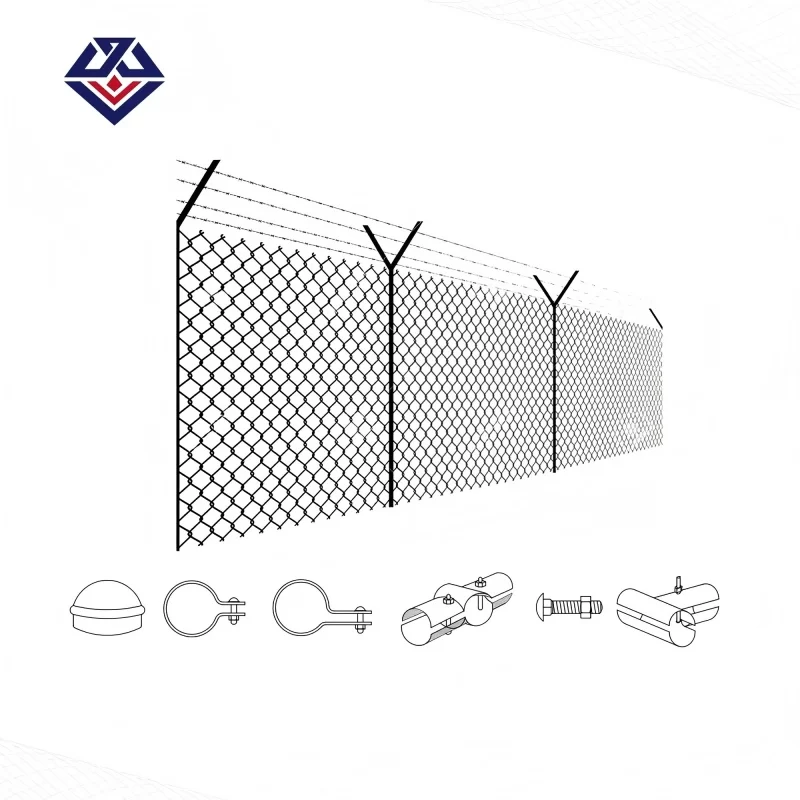
A professional chain link fence with barbed wire is not just about the wire itself; it is a system of engineered components working together. The foundation begins with heavy-duty galvanized steel posts and rails that provide the necessary tension to keep the mesh taut. The chain link fabric, typically woven from steel wire, allows for clear sightlines, which is critical for surveillance cameras and security guards to monitor the perimeter. To enhance the top edge, specialized tension arms are installed, which hold the strands of barbed wire at a precise angle, making it virtually impossible to scale the fence without injury or specialized equipment.
Technical Highlight: Most industrial-grade systems utilize hot-dip galvanization, which creates a zinc coating that prevents oxidation and rust, ensuring the fence remains structurally sound for decades even in coastal or humid environments.
Durability and Material Specifications for Chain Link Fence with Barbed Wire
The effectiveness of a security perimeter depends heavily on the gauge of the wire used. A thicker gauge provides more resistance to cutting tools and impact. When selecting a chain link fence with barbed wire, it is essential to match the material specifications to the risk level of the site. For example, high-security zones often require 9-gauge fabric and three-strand barbed wire toppers. Below is a detailed specification table used by industry professionals to determine the right materials for different security levels.
Comparing Chain Link with Barbed Wire vs. Standard Fencing
Many property managers wonder if the additional cost of adding barbed wire to a chain link system is justified. When compared to standard wooden or vinyl fencing, the chain link fence with barbed wire is designed for function over aesthetics. While a wooden fence can be climbed easily or cut with basic tools, the galvanized steel mesh combined with sharp deterrents creates a psychological barrier that warns intruders of the risk involved. This makes it the gold standard for utility substations, airport perimeters, and construction sites where liability and asset protection are the primary concerns.
Key Advantages Over Standard Fencing:
• Higher Deterrence: Barbed wire prevents scaling and climbing.
• Better Visibility: Essential for CCTV and security patrolling.
• Lower Maintenance: Galvanized steel resists rot and pests.
• Cost-Effective: Long lifespan reduces replacement frequency.
Industrial Applications of Chain Link Fence with Barbed Wire
The versatility of this fencing system allows it to be deployed across various high-risk environments. In the manufacturing sector, these fences protect expensive machinery and hazardous materials from theft or accidental access. For municipal projects, such as water treatment plants or power grids, the chain link fence with barbed wire ensures that only authorized personnel can enter sensitive areas. Furthermore, in agricultural settings, it is used to keep livestock in and predators out, providing a durable solution that withstands animal impact and weather extremes.

Installation Best Practices and Safety
Installing a chain link fence with barbed wire requires precision to ensure the system does not sag over time. Proper post-setting in concrete is the first critical step. Once the posts are secure, the top rail is installed, followed by the tension arms. The barbed wire must be stretched using a professional wire strainer to maintain maximum tension; loose wire is far less effective as a deterrent. Safety is paramount during installation, as handling barbed wire can lead to severe lacerations. Professional installers use specialized gloves and tools to ensure the system is deployed safely and efficiently.
Maintenance Tips for Long-Term Security
To ensure your security perimeter remains effective, regular maintenance is required. While galvanized steel is highly resistant to corrosion, physical damage from falling branches or attempted breaches can create vulnerabilities. Periodic inspections should focus on the tension of the barbed wire and the integrity of the fabric. If a section of the chain link fence with barbed wire becomes loose, it should be re-tensioned immediately. Additionally, checking for "hot spots" of rust—particularly at the joints and clamps—allows for early touch-ups with cold-galvanizing spray, extending the life of the fence by several years.
Conclusion: Maximum Protection with Professional Fencing
Investing in a chain link fence with barbed wire is one of the most effective ways to secure a high-value perimeter. By combining the strength of steel mesh with the aggressive deterrence of barbed wire, you create a barrier that is difficult to penetrate and easy to monitor. Whether for industrial, commercial, or governmental use, this system provides the durability and security necessary to protect assets and ensure safety. Trust professional specifications and quality materials to build a perimeter that lasts.
Frequently Asked Questions (FAQs)
Is a chain link fence with barbed wire legal for residential use?
Legality varies significantly by local zoning laws and homeowners' association (HOA) regulations. In most urban residential areas, barbed wire is prohibited due to safety concerns for pedestrians and neighbors. However, it is often permitted in rural areas for livestock control or on large estates with specific security needs. We strongly recommend checking your local building codes and city ordinances before installing a chain link fence with barbed wire to avoid legal disputes or fines.
How does galvanization protect the fence from rust?
Galvanization is the process of applying a protective zinc coating to the steel. This creates a physical barrier that prevents oxygen and water from reaching the iron in the steel, which is what causes rust. Furthermore, zinc acts as a sacrificial anode; if the coating is scratched, the zinc will corrode first, protecting the underlying steel. This is why a high-quality chain link fence with barbed wire can last for 20 to 50 years depending on the environmental conditions.
Can I add barbed wire to an existing chain link fence?
Yes, it is possible to upgrade an existing fence, provided the posts are strong enough to support the additional tension. You will need to install tension arms (extension arms) to the top of each line post and corner post. Once the arms are securely attached, you can run the strands of barbed wire across the top. If your existing fence is made of thin-gauge residential material, you may need to reinforce the posts to prevent them from leaning inward under the pressure of the chain link fence with barbed wire configuration.
What is the difference between barbed wire and concertina wire?
Standard barbed wire consists of two strands of wire twisted together with sharp barbs at regular intervals; it is typically installed in straight lines at the top of the fence. Concertina wire, on the other hand, is a large coil of razor wire that can be expanded. Concertina wire provides a much more aggressive and impenetrable barrier, often used in military zones. While a chain link fence with barbed wire is excellent for general deterrence, concertina wire is used when absolute prevention of entry is required.