The Essential Guide to Selecting the Right Chain Link Fence Rail
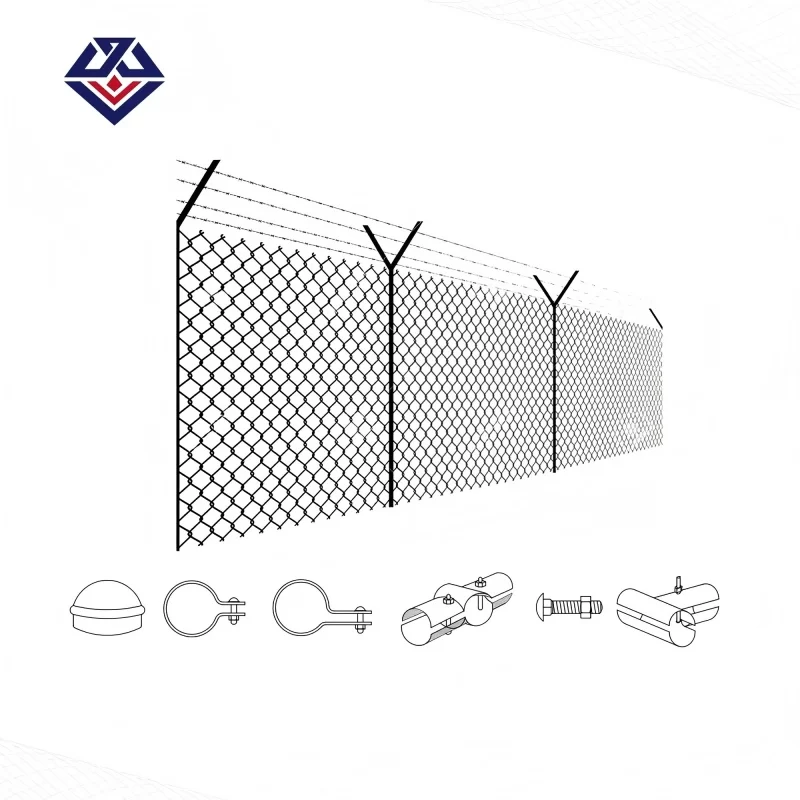
When securing industrial perimeters or commercial boundaries, the structural integrity of the fencing system depends heavily on its supporting components. The chain link fence rail serves as the critical horizontal backbone that maintains the tension and alignment of the mesh. Without high-quality rails, fences are prone to sagging, warping, and premature failure, especially in high-traffic industrial environments. This guide explores how professional-grade rails enhance durability and security for various manufacturing and construction applications, ensuring your facility remains protected against unauthorized access and environmental wear.

The Role of Chain Link Fence Rail in Structural Stability
The primary function of a chain link fence rail is to provide a rigid framework that prevents the fabric from drooping over time. In heavy-duty applications—such as mining or metallurgy plants—the fence often faces extreme conditions, including heavy winds and accidental impacts. A top rail distributes the tension evenly across the line posts, ensuring that the fence remains taut and visually professional. By utilizing reinforced steel rails, facility managers can significantly extend the life of their perimeter security, reducing the frequency of costly repairs and maintenance cycles.
Pro Tip: For maximum stability in high-wind areas, consider using a bottom rail in addition to the top rail. This creates a complete frame that locks the mesh in place, preventing animals or intruders from lifting the fabric.
Materials and Coating Options for Chain Link Fence Rail
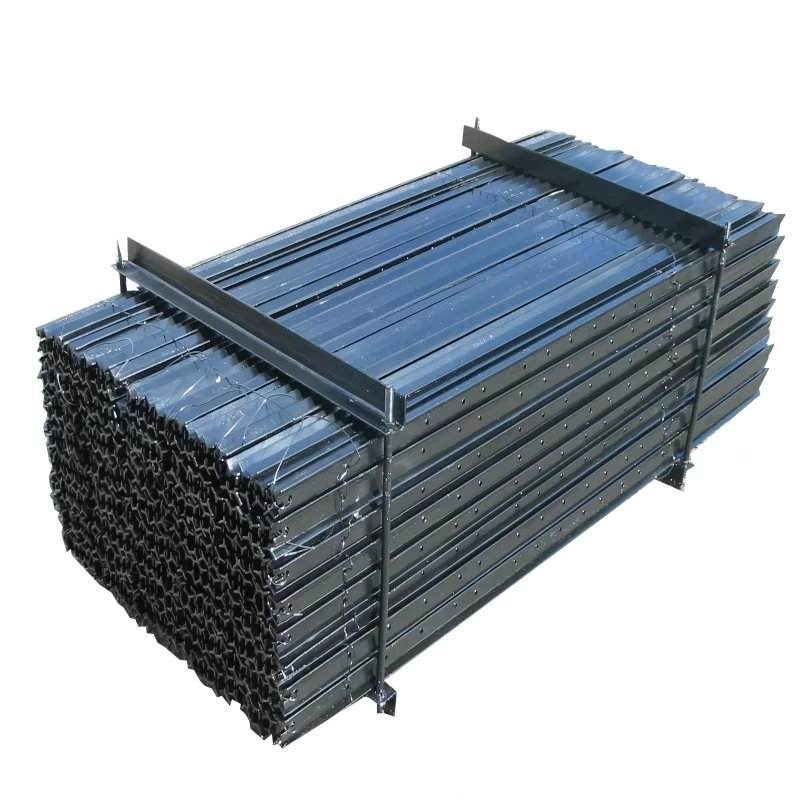
Material selection is paramount for ensuring longevity in corrosive environments. Most professional chain link fence rail systems are manufactured from high-grade steel. To prevent rust, these rails are typically treated with hot-dipped galvanization or powder coating. Galvanized steel is the industry standard for industrial sites due to its exceptional resistance to oxidation. For facilities requiring a specific aesthetic or additional chemical resistance, powder-coated rails offer a durable, colorful finish that does not chip easily. This is particularly useful in construction material production plants where dust and chemicals are prevalent.
Comparing Chain Link Fence Rail Types and Specifications
Choosing between different rail gauges and diameters depends on the height of the fence and the level of security required. A heavier gauge rail provides more rigidity and is less likely to bend under pressure. Below is a detailed comparison of common specifications used in the industrial equipment and construction sectors to help you determine the best fit for your project.
Installation Best Practices for Chain Link Fence Rail
Proper installation is the difference between a fence that lasts decades and one that fails in years. When installing a chain link fence rail, it is essential to ensure that all line posts are perfectly plumb. The rail should be securely fastened using rail ends and tension bands to eliminate any movement. For industrial sites in the building materials sector, we recommend checking the tension every six months, as ground shifts or heavy impacts can loosen the hardware. Using a professional rail-cutting tool ensures clean edges, which prevents the coating from peeling and protects the steel from moisture penetration.

Industrial Applications of High-Strength Fence Rails
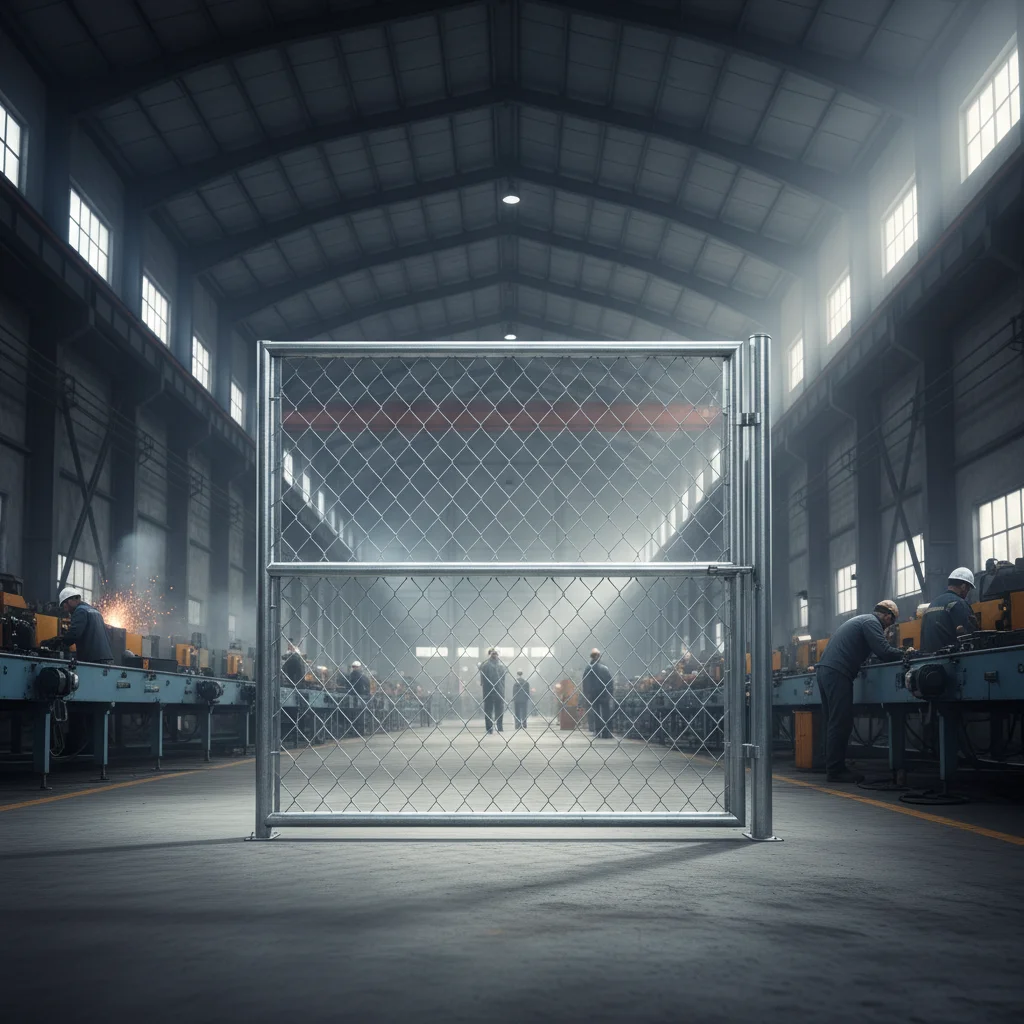
High-strength rails are indispensable in the specialized equipment manufacturing sector. In mining and metallurgy plants, where heavy machinery and vibration are constant, the chain link fence rail provides the necessary rigidity to keep hazardous zones isolated. These rails are often paired with barbed wire extensions or privacy slats to enhance security. In construction material production zones, the rails help organize the flow of materials and personnel, creating safe corridors that minimize the risk of accidents involving industrial vehicles.
Maintenance Tips for Long-Term Performance
To maximize the ROI of your fencing system, a proactive maintenance schedule is required. While a galvanized chain link fence rail is designed for low maintenance, periodic inspections can prevent total system failure. Check for signs of "white rust" or pitting, which may indicate a breach in the zinc coating. If scratches occur during installation or operation, applying a cold-galvanizing spray can seal the steel and prevent corrosion from spreading. Tightening the tension bands annually ensures the rail continues to support the mesh effectively, maintaining the structural integrity of the entire perimeter.
Conclusion: Secure Your Facility with Premium Rails
The chain link fence rail is far more than a simple accessory; it is the critical component that ensures your security fence remains functional, safe, and professional. Whether you are managing a metallurgy plant or a construction warehouse, investing in high-gauge, corrosion-resistant rails reduces long-term costs and enhances site safety. By prioritizing material quality and precise installation, you create a formidable barrier that protects your assets for years to come.
Frequently Asked Questions (FAQs)
Why is the top rail so important in a chain link fence?
The top rail is vital because it provides the necessary horizontal support to keep the fence fabric from sagging. In industrial settings, the tension placed on the mesh is significant; without a sturdy rail, the fence would eventually bow in the middle, compromising both security and aesthetics. It also provides a mounting point for additional security measures, such as barbed wire or electric fencing, making it a cornerstone of perimeter protection.
What is the difference between galvanized and powder-coated rails?
Galvanized rails are dipped in molten zinc, creating a metallurgical bond that is incredibly resistant to rust and ideal for harsh outdoor environments. Powder-coated rails are sprayed with a dry powder and cured under heat, offering a wide variety of colors and an additional layer of protection. While galvanization is generally superior for raw corrosion resistance in industrial sites, powder coating is preferred when a specific color is required for branding or visibility.
How do I choose the correct diameter for my fence rail?
The correct diameter is typically determined by the height of the fence and the expected load. For fences up to 6 feet, a 1.660" or 1.875" rail is usually sufficient. For higher fences (8 feet and above) or those in high-security industrial zones, a 2.375" or larger rail is recommended to prevent bending. Always consult the technical specifications on the Cowan Fences website to ensure your rail matches your post sizes for a seamless fit.
Can I install a chain link fence without a top rail?
Yes, it is possible to install a "rail-less" fence, but it is not recommended for industrial or commercial use. Without a top rail, the fence relies entirely on the tension of the mesh and the strength of the terminal posts. This often leads to the fabric sagging over time, especially in long spans. For any facility focusing on security, durability, and professional appearance, utilizing a high-quality top rail is the only way to ensure long-term structural stability.