Ultimate Guide to Choosing the Best 50 Chain Link Fence
When it comes to securing a perimeter, whether for residential privacy or industrial security, the 50 chain link fence remains one of the most reliable and cost-effective solutions available today. Known for its versatility and strength, this type of fencing provides a clear boundary without completely obstructing the view. In this comprehensive guide, we will explore the technical specifications, installation benefits, and maintenance tips to help you make an informed decision for your property. Choosing the right gauge and coating can significantly impact the longevity and performance of your security barrier.
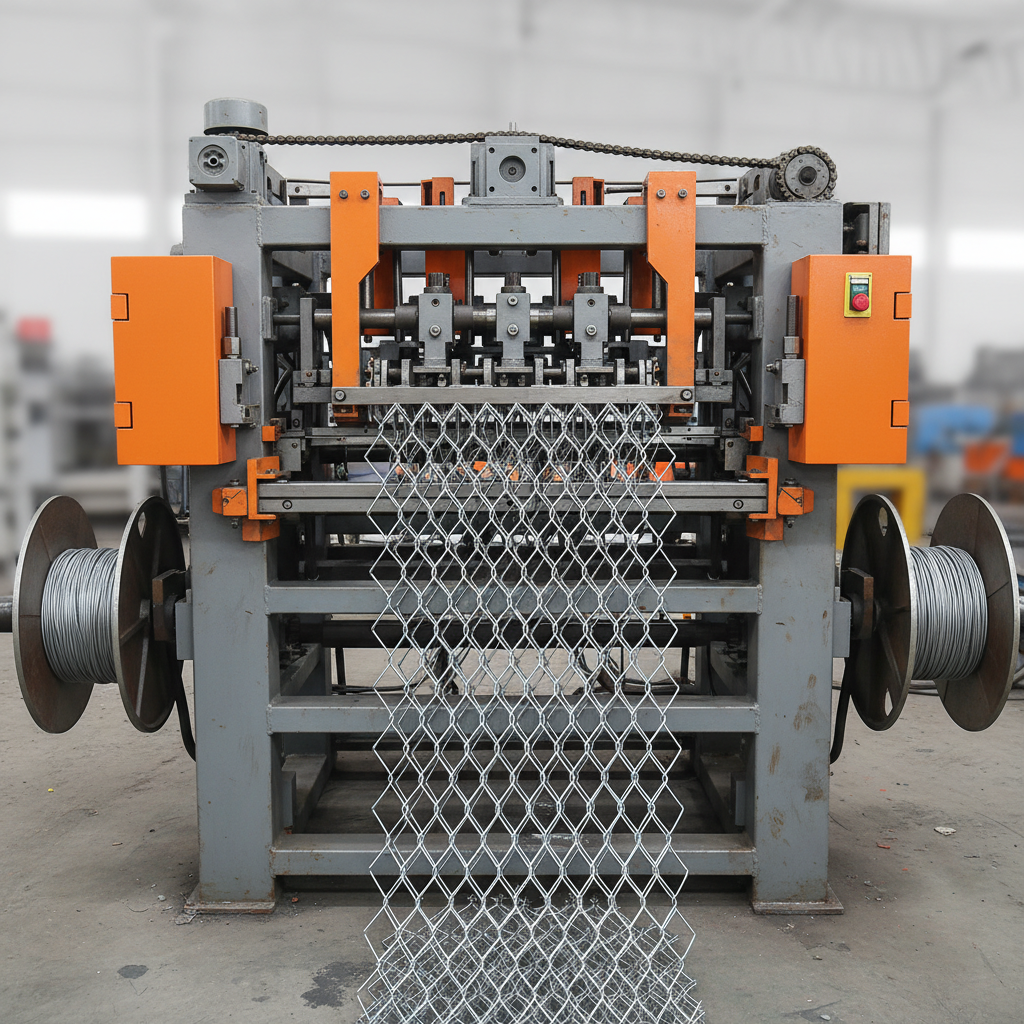
Core Advantages of the 50 Chain Link Fence
The primary appeal of a 50 chain link fence lies in its exceptional balance of visibility and security. Unlike solid walls, chain link structures allow wind to pass through, reducing the risk of structural failure during heavy storms. Additionally, the modular nature of the diamond-mesh design makes it incredibly easy to install and repair. Durability is another key factor; when treated with galvanized coatings, these fences resist rust and corrosion for decades, making them ideal for harsh outdoor environments. For those seeking a low-maintenance boundary, this is undoubtedly the superior choice.
Pro Tip: Always ensure that your fence posts are set in high-quality concrete to prevent leaning over time, especially if you are installing a taller 50-gauge variant.
Material Specifications for 50 Chain Link Fence Options
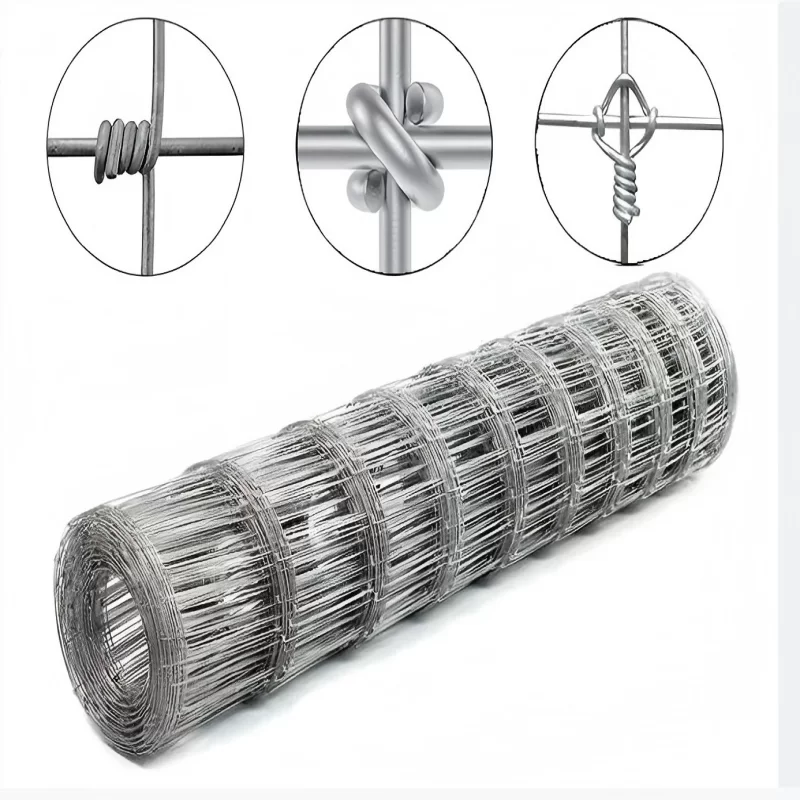
Understanding the technical side of your fencing helps in selecting a product that matches your security needs. The "50" typically refers to specific standards of wire thickness or mesh sizing depending on the regional manufacturing code. Most high-quality options utilize Hot-Dip Galvanized steel or PVC coating to prevent oxidation. The tension of the weave is critical; a tighter weave provides higher security against intruders and pets. Below is a detailed specification table to help you compare different material finishes commonly used in our production.
Installation Best Practices for a 50 Chain Link Fence
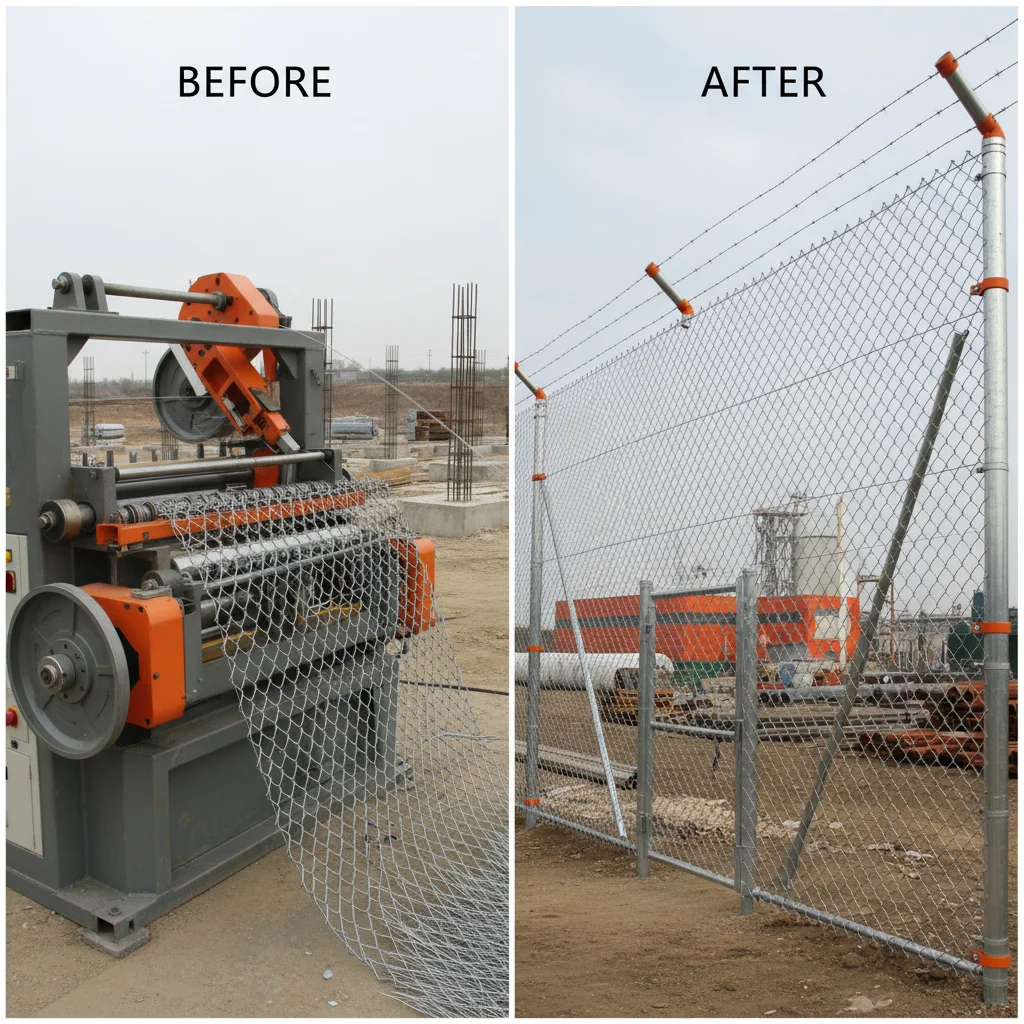
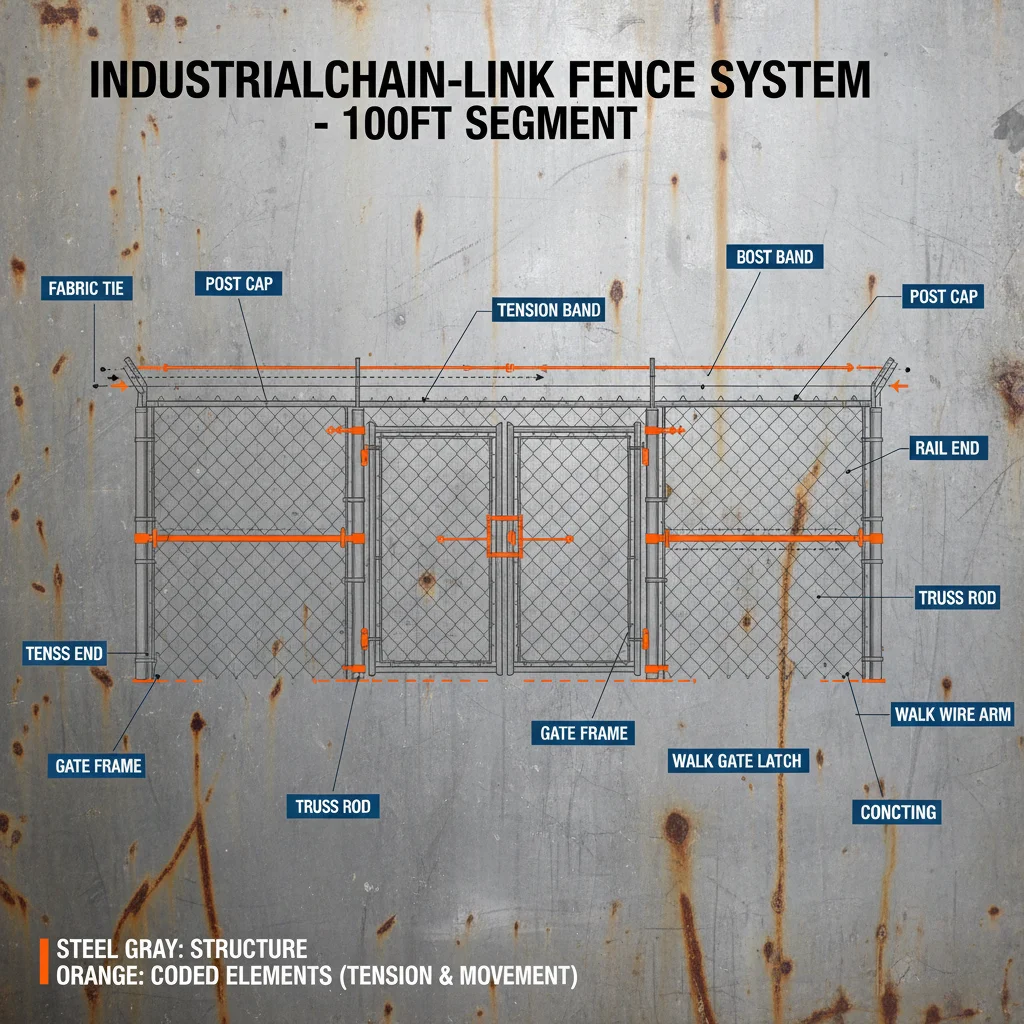
A fence is only as strong as its installation. For a 50 chain link fence, precision is key. First, ensure the ground is level and clear of debris. The use of a tension wire at the top and bottom is highly recommended to prevent the mesh from sagging over time. Proper spacing of the terminal posts ensures that the tension is distributed evenly across the entire span. If you are installing in a high-traffic area, consider adding a top rail for added rigidity and a professional finished look.
Comparing 50 Chain Link Fence vs. Wooden Fencing
When choosing between a 50 chain link fence and traditional wood, the decision usually comes down to a trade-off between privacy and longevity. Wood offers complete privacy but requires frequent staining and is prone to rot and termite attacks. In contrast, chain link is virtually maintenance-free and offers a much longer lifecycle. From a cost-per-year perspective, the chain link option is significantly more economical. It is the ideal choice for those who prioritize security and low upkeep over total visual seclusion.
Why Choose Chain Link Over Wood?
• No need for annual painting or staining
• Resistant to pests and organic decay
• Better airflow and visibility for security cameras
• Faster installation time for large perimeters
Maintenance Tips for Your 50 Chain Link Fence
While these fences are known for their durability, a small amount of maintenance can extend their life by another decade. For a 50 chain link fence, we recommend an annual inspection for any loose ties or sagging sections. If you find areas where the galvanized coating has been scratched, applying a small amount of cold galvanizing spray can prevent rust from spreading. Additionally, keeping vegetation trimmed away from the mesh prevents organic acids from damaging the coating and ensures the fence remains a formidable barrier.
Conclusion: The Smart Choice for Perimeter Security
The 50 chain link fence is a timeless solution that combines strength, transparency, and affordability. Whether you are securing a commercial warehouse, a residential backyard, or an agricultural plot, its resistance to weather and ease of installation make it an unbeatable investment. By selecting the right coating and following professional installation guidelines, you ensure a secure environment for years to come. Upgrade your security today with a fencing solution that stands the test of time.
Frequently Asked Questions (FAQs)
How long does a typical 50 chain link fence last?
A high-quality chain link fence typically lasts between 20 to 30 years, depending on the environment and the coating used. Galvanized steel is highly resistant to rust, but if you live in a coastal area with high salt content in the air, a PVC-coated fence is recommended. PVC provides an extra layer of protection that prevents the underlying steel from coming into contact with moisture and salt, often extending the lifespan to over 30 years. Regular checks for tension and coating integrity can further maximize the longevity of your investment.
Can I add privacy slats to my chain link fence?
Yes, one of the biggest advantages of the chain link system is its versatility. You can easily slide privacy slats into the mesh to block the view from the outside while maintaining the strength of the steel structure. These slats are available in various colors and materials (usually HDPE plastic) and can be added or removed at any time without damaging the fence. This allows you to have the security of a chain link fence with the visual privacy of a solid wall.
Is it difficult to install a chain link fence by myself?
While a DIY installation is possible for those with basic tool knowledge, it requires a significant amount of physical labor and precision. Setting the posts perfectly straight and achieving the correct tension on the mesh are the most challenging parts. If the mesh is too loose, the fence will sag; if it's too tight, it may put undue stress on the terminal posts. For large-scale commercial projects or those seeking a flawless finish, hiring professional installers is highly recommended to ensure the structural integrity of the perimeter.
What is the difference between galvanized and PVC coated fencing?
Galvanized fencing is steel that has been coated with a layer of zinc to prevent rust. It has a classic silver/grey appearance and is extremely strong. PVC-coated fencing is galvanized steel that is further encased in a plastic polymer coating. This provides superior corrosion resistance and allows for different colors (usually green or black) to blend in with the landscape. While PVC is slightly more expensive, it is the best choice for areas with high humidity or for residential properties where aesthetics are a priority.