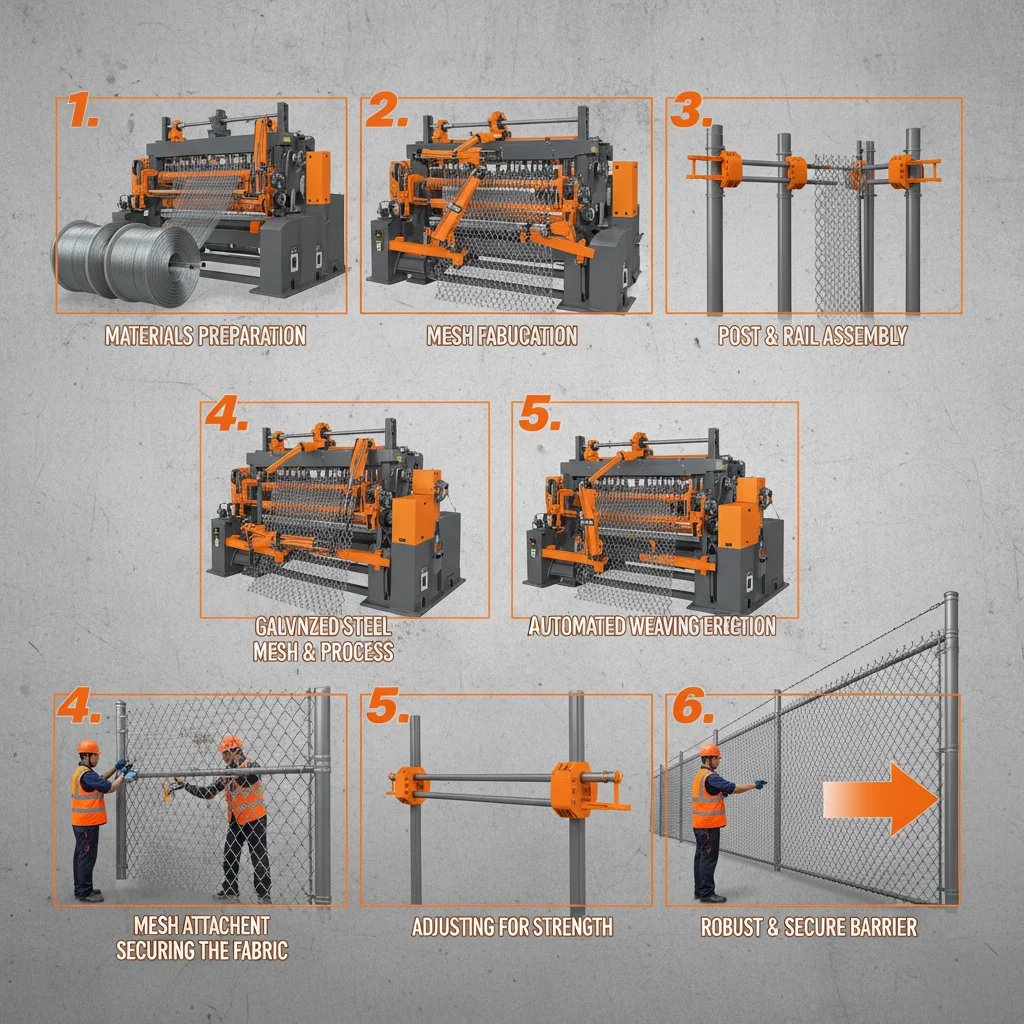
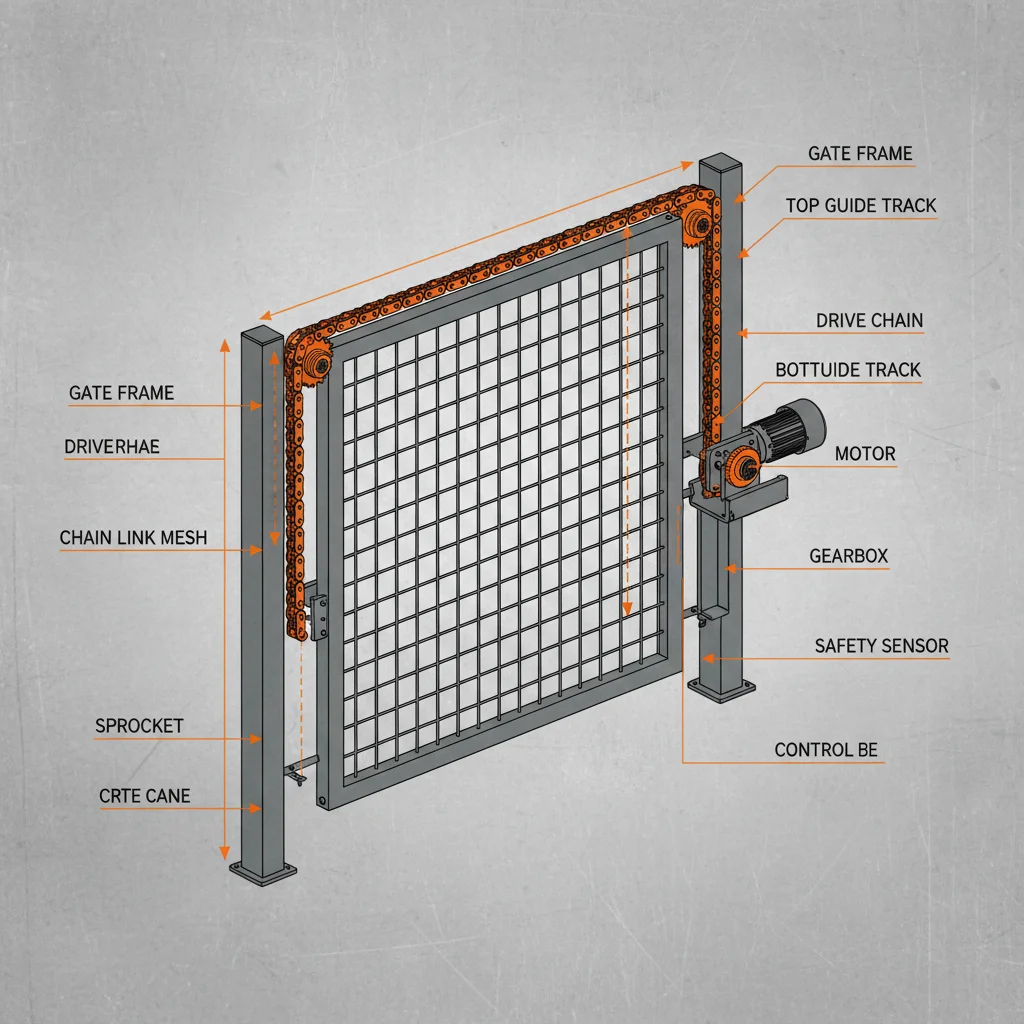
Industrial safety is a cornerstone of modern manufacturing and logistics, where the protection of personnel and high-value assets is paramount. In environments characterized by heavy machinery and constant forklift movement, the implementation of robust physical barriers is not just a recommendation but a necessity for operational continuity. Among the various options available, integrating a chain link fence gate or industrial guard rail system ensures that hazardous zones remain secure and accessible only to authorized personnel.
The global shift toward stricter workplace safety regulations, such as those outlined by ISO and OSHA, has pushed industries to adopt high-impact resistant barriers. These systems are engineered to absorb energy from collisions, preventing catastrophic damage to equipment and reducing the risk of workplace injuries. By strategically placing protective barriers, facilities can create a structured environment that minimizes human error and maximizes throughput.
Whether you are managing a sprawling warehouse or a specialized production facility, the right combination of modular guard rails and a secure chain link fence gate provides a versatile solution for asset protection. These systems offer the perfect balance of visibility, strength, and flexibility, ensuring that safety does not come at the cost of operational efficiency.

Global Relevance of Industrial Barrier Systems
On a global scale, the demand for industrial safety barriers has surged as logistics centers and smart factories expand across Asia, Europe, and North America. According to international safety standards, the reduction of workplace accidents is directly linked to the presence of physical delineations between pedestrian zones and vehicle traffic. Implementing a chain link fence gate or heavy-duty guard rail helps facilities adhere to these global mandates.
These systems address the critical challenge of "collision risk" in high-traffic environments. By providing a reinforced steel barrier, companies can prevent expensive downtime caused by damaged machinery or structural collapses. The ability to deploy these barriers quickly and modify them as the facility grows makes them an indispensable tool for any modern industrial operation.
Defining High-Impact Industrial Guard Rails
Industrial guard rails are specialized safety structures engineered from high-quality steel to protect personnel and equipment from heavy-impact collisions. Unlike standard fencing, these rails are reinforced with crossbars and robust support posts specifically designed to withstand the force of a forklift or a heavy cart. When paired with a chain link fence gate, they create a comprehensive security perimeter that controls access while maintaining structural integrity.
In the context of modern industry, these barriers serve a dual purpose: physical protection and organizational guidance. They are not merely "walls" but are strategic tools used to define traffic lanes, storage boundaries, and hazardous zones. This systemic approach to safety ensures that workers are physically separated from risks, which is essential for maintaining a zero-accident workplace.
Furthermore, these systems are designed for longevity. By utilizing powder-coated or galvanized finishes, the rails resist corrosion and wear, making them suitable for both indoor warehouses and outdoor loading docks. This durability ensures that the safety infrastructure remains reliable over decades of heavy use, providing a sustainable solution for industrial asset protection.
Core Components of Durable Safety Barriers
The effectiveness of a safety system depends on its materials. High-quality steel is the primary component, providing the necessary tensile strength to absorb impact. For many facilities, the addition of a chain link fence gate allows for flexible entry and exit points without compromising the overall security of the perimeter.
Modular design is another critical factor. By using standardized sections that can be connected or expanded, managers can reconfigure their safety layouts as production lines evolve. Whether installing a chain link fence gate for a specific loading bay or extending a guard rail along a walkway, the modular approach reduces installation downtime and labor costs.
Visibility is the final core component. Using bright colors, reflective markings, or open mesh panels ensures that operators are aware of the barriers even in low-light conditions. This visual alerting system, combined with the physical strength of the chain link fence gate, significantly reduces the likelihood of accidental collisions.
Practical Applications in Modern Facilities
In real-world industrial settings, these barriers are deployed in a variety of critical zones. For example, in logistics centers, guard rails are used to protect conveyor belts and electrical panels from forklift impact. Meanwhile, a chain link fence gate is often installed at the entrance of hazardous chemical storage areas to restrict unauthorized access while allowing ventilation.
Beyond warehouses, these solutions are vital in production facilities where heavy machinery operates. By creating designated "safe zones" for pedestrians, companies can ensure that workers can move through the plant without crossing the path of automated guided vehicles (AGVs). The integration of modular rails and secure gates creates a structured flow that enhances overall operational efficiency.
Comparative Performance of Industrial Barrier Types
Long-Term Value and Asset Protection
Investing in high-quality safety infrastructure provides a tangible return on investment by drastically reducing the costs associated with equipment repair. A single forklift collision with a structural column can lead to thousands of dollars in damage and potential facility downtime. By installing a reinforced guard rail or a secure chain link fence gate, businesses create a sacrificial layer of protection that absorbs energy and saves the primary asset.
Moreover, the long-term value extends to regulatory compliance and insurance premiums. Facilities that can demonstrate a proactive approach to safety, through the use of certified barriers and access control gates, often benefit from lower liability risks and better insurance terms. This strategic investment fosters a culture of safety and trust among employees, knowing that their environment is engineered for their protection.
Innovations in Protective Barrier Materials
The evolution of material science is bringing new capabilities to industrial safety. Modern guard rails are now utilizing advanced alloys that offer higher strength-to-weight ratios, making installation easier without sacrificing impact resistance. The integration of smart sensors within a chain link fence gate is also becoming a trend, allowing managers to track entry and exit times automatically.
Sustainability is also playing a larger role. Many manufacturers are shifting toward recyclable steel and eco-friendly powder coatings that reduce VOC emissions. This ensures that the safety infrastructure not only protects the workforce but also aligns with corporate environmental goals. These green innovations make the transition to modern safety systems more appealing for global enterprises.
Additionally, the rise of automation has led to the development of "dynamic barriers." These are systems that can be adjusted or moved via automated tracks, allowing for a flexible workspace that can be reconfigured in minutes. When combined with a standard chain link fence gate for permanent perimeter security, these innovations create a highly responsive safety ecosystem.
Overcoming Implementation Challenges
One of the primary challenges in deploying safety barriers is the disruption of existing workflows during installation. To overcome this, the use of modular, bolt-down systems is recommended. These allow for quick anchoring to the floor without the need for extensive concrete pouring, meaning a chain link fence gate can be installed during a scheduled break, minimizing operational downtime.
Another common issue is the "blind spot" created by solid barriers. To solve this, designers are incorporating open-mesh panels or slotted designs. This ensures that forklift operators can still see pedestrian traffic on the other side of the rail, maintaining visibility while providing physical protection. This balance of safety and sightlines is crucial for preventing accidents in tight corridors.
Finally, maintaining these systems over time can be a hurdle. The solution lies in selecting galvanized or powder-coated finishes that require minimal upkeep. Regular inspections of the anchoring bolts and the hinges of the chain link fence gate ensure that the system remains rigid and functional, preventing the "lean" that often occurs after multiple minor impacts.
Analysis of Industrial Barrier System Specifications
| Barrier Type |
Impact Rating |
Installation Speed |
Durability Score |
| Modular Guard Rail |
High |
Fast |
9/10 |
| Chain Link Gate |
Medium |
Moderate |
8/10 |
| Steel Bollards |
Extreme |
Slow |
10/10 |
| Plastic Barriers |
Low |
Very Fast |
4/10 |
| Mesh Panels |
Medium |
Fast |
7/10 |
| Reinforced Rails |
High |
Moderate |
9/10 |
FAQS
A guard rail is primarily designed for impact resistance to stop forklifts or machinery from hitting assets. A chain link fence gate is designed for access control and perimeter security, allowing people or vehicles to enter a secured area while maintaining a boundary. Often, they are used together to create a complete safety system.
Yes, as long as they are treated with a corrosion-resistant finish. Galvanized steel or powder-coated finishes prevent rust and environmental degradation, making them ideal for outdoor loading docks, parking lots, and external storage yards.
Height should be determined by the specific risk. For pedestrian protection, waist-height rails are standard. For preventing machinery from crossing a boundary or for security gates, taller barriers (6ft or more) are recommended to prevent climbing or accidental breakthroughs.
Absolutely. One of the biggest advantages of modular systems is their flexibility. Because they are typically bolted to the floor rather than cast in concrete, they can be disassembled and moved to new locations as your warehouse layout changes.
Yes, implementing physical barriers to separate pedestrians from hazardous vehicle traffic is a key part of workplace safety guidelines. Using certified high-impact rails and secure gates demonstrates a commitment to risk management and regulatory adherence.
Maintenance is minimal but important. It involves regularly lubricating the hinges, checking the tension of the mesh, and ensuring the locking mechanism is functional. Occasional touch-ups of the powder coating can prevent rust in high-moisture areas.
Conclusion
In summary, the integration of industrial guard rails and a chain link fence gate provides a comprehensive strategy for workplace safety and asset protection. By combining high-impact resistance, modular flexibility, and clear visual guidance, facilities can effectively eliminate the risks associated with heavy machinery traffic. These systems not only safeguard human lives but also protect the financial health of a company by preventing costly equipment damage and ensuring operational continuity.
Looking forward, the industry will likely see a greater integration of smart technology and sustainable materials within safety barriers. For facility managers, the priority should remain the proactive identification of high-risk zones and the installation of durable, certified protection systems. Investing in quality infrastructure today is the most effective way to build a safer, more efficient, and compliant industrial environment for tomorrow. Visit our website: www.cowanfences.com