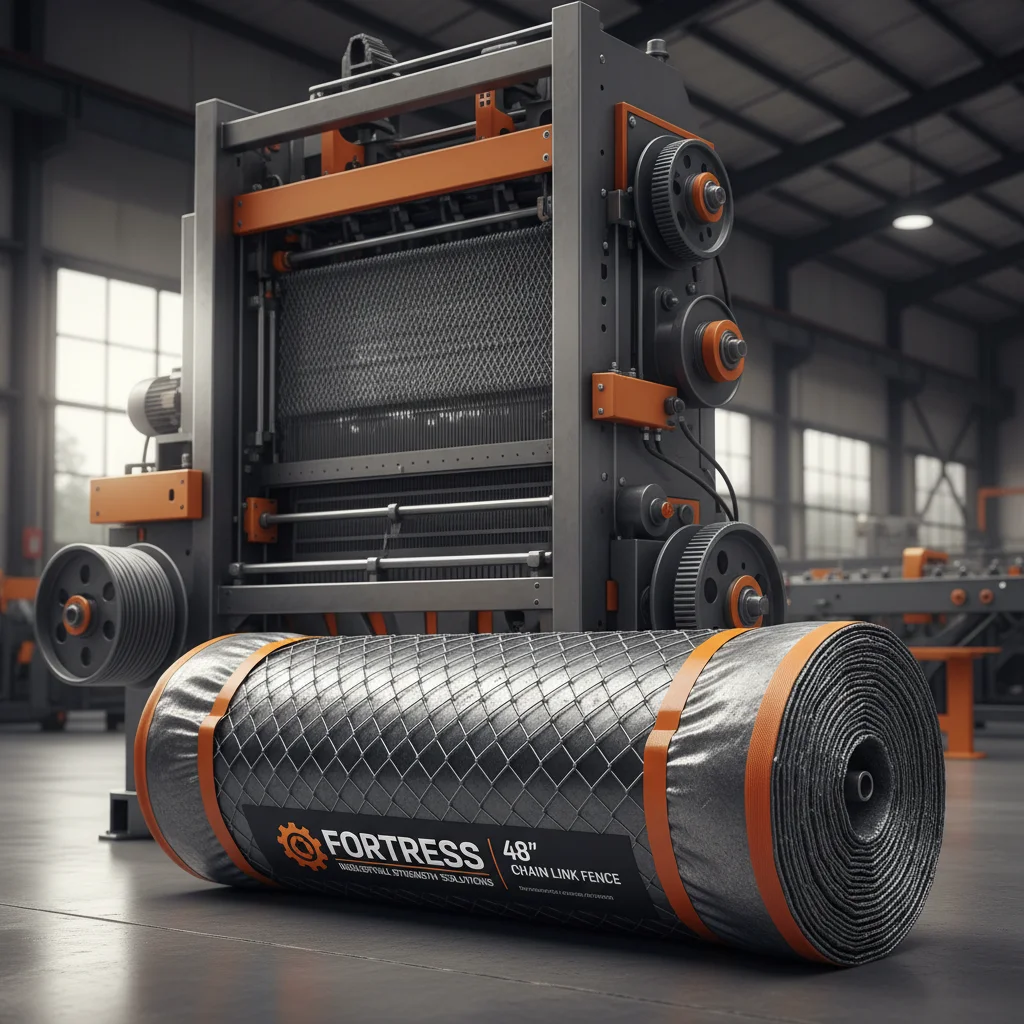
In the modern industrial landscape, securing a perimeter quickly and effectively is a critical operational requirement. The concept of a 12 chain link fence system has evolved from simple boundary markers to sophisticated, modular security solutions that cater to the dynamic needs of construction, event management, and industrial site safety. By prioritizing structural integrity and ease of deployment, these systems allow managers to protect high-value assets without the delays associated with permanent installations.
Globally, the demand for temporary yet robust fencing is driven by the surge in infrastructure development and the need for flexible access control. Whether it is managing crowds at a public event or securing a hazardous roadwork zone, the ability to deploy a high-performance barrier in a matter of hours is invaluable. These systems address the common challenge of balancing immediate security needs with the requirement for non-destructive installation on varied terrains.
By integrating high-strength industrial steel with precision welding, the 12 chain link fence approach ensures that sites remain compliant with safety regulations while offering a reusable, cost-effective alternative to traditional fencing. Understanding the technical advantages of these modular panels is the first step toward optimizing site logistics and reducing long-term capital expenditure.

The Industrial Relevance of 12 Chain Link Fence Systems
The relevance of 12 chain link fence logic in the modern manufacturing sector lies in the shift toward "plug-and-play" infrastructure. In an era where project timelines are compressed, the ability to establish a professional-grade perimeter without ground excavation is a game-changer. These modular systems provide a physical barrier that is both rigid enough to deter unauthorized access and flexible enough to be reconfigured as a project evolves.
From a global perspective, adhering to ISO standards for steel quality and corrosion resistance ensures that these fencing solutions can be deployed in diverse climates, from humid coastal zones to arid industrial plains. The integration of high-strength industrial steel ensures that the barrier remains stable under significant wind loads, making it a reliable choice for open-air construction sites and large-scale public gatherings.
Core Components and Engineering Standards
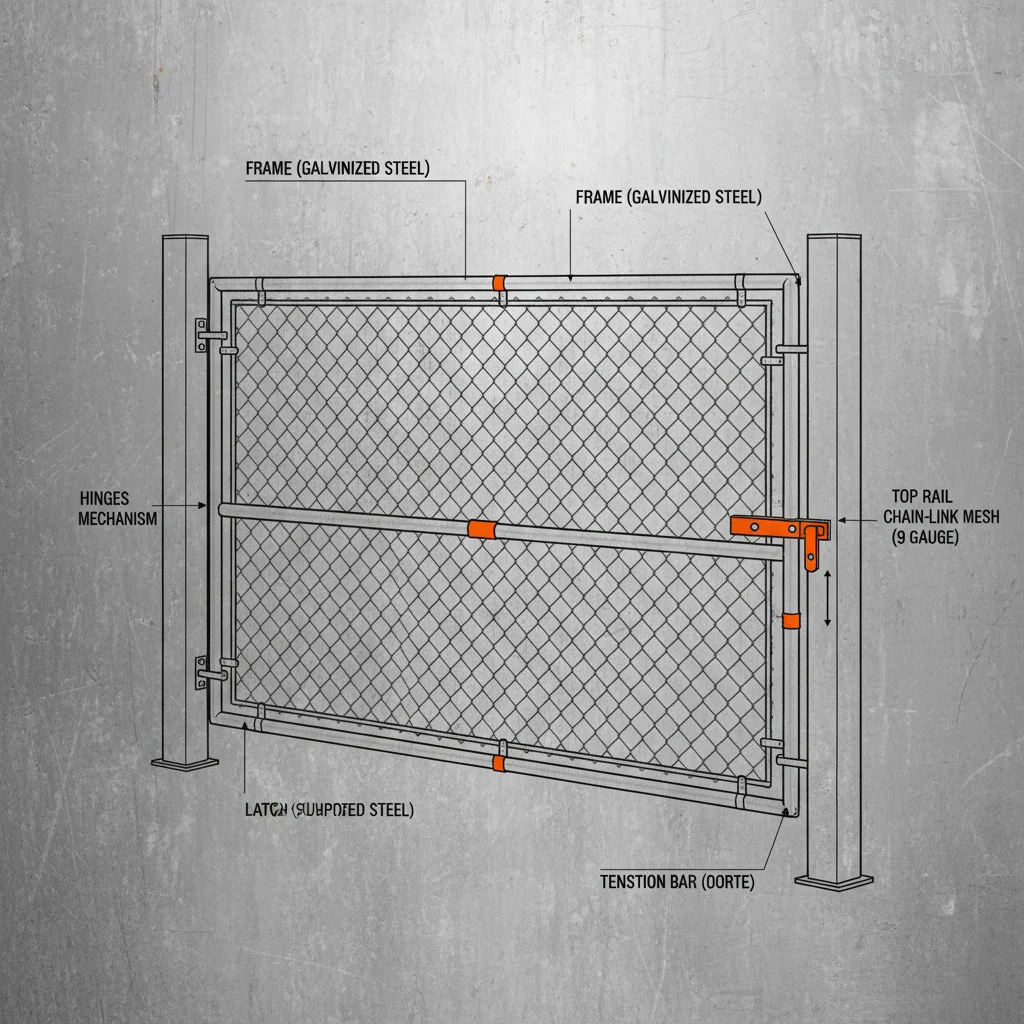
At the heart of a high-performance 12 chain link fence alternative is the combination of high-strength industrial steel frames and precision welded wire mesh. Unlike traditional woven fences that may sag over time, the welded mesh provides a rigid structural matrix that maintains its shape under pressure. This engineering choice ensures that the panels offer a powerful physical deterrent while remaining lightweight enough for manual handling.
The installation mechanism is equally critical, utilizing a modular clamp and coupler system that allows panels to be linked seamlessly. To avoid the need for permanent foundations, these systems employ specialized support options, including heavy-duty rubber bases for asphalt or concrete bases for softer ground. This non-invasive approach preserves the integrity of the underlying surface, which is essential for roadworks and urban development projects.
To ensure longevity, every component undergoes rigorous surface treatment. Hot-dip galvanizing is the gold standard for preventing oxidation, creating a zinc coating that protects the steel from moisture and chemicals. For sites requiring a specific aesthetic or additional protection, powder coating is applied, providing a durable finish that resists chipping and fading even under intense UV exposure.
Key Factors Driving Structural Durability
One of the primary drivers of effectiveness for a 12 chain link fence system is its ability to withstand external impacts. The use of precision welded wire prevents the "opening" of the mesh that often occurs in traditional chain links, ensuring that the barrier remains impenetrable to unauthorized personnel and animals.
Corrosion resistance is another pillar of durability. By utilizing industrial-grade hot-dip galvanizing, a 12 chain link fence configuration can be reused across multiple project sites over several years, drastically reducing the total cost of ownership compared to single-use temporary barriers.
Finally, structural stability is achieved through the use of stabilizer bars and optimized frame geometry. This allows the panels to resist high wind loads, which is a critical safety requirement for temporary installations in open environments where gusts could otherwise tip over unsecured fencing.
Global Applications and Operational Use Cases
The versatility of 12 chain link fence principles is evident across various high-stakes industries. In construction, these panels are used to create secure perimeters that protect expensive machinery and materials from theft while ensuring that pedestrians are kept away from hazardous work zones. The modular nature allows the fence to expand or contract as the building's footprint changes during different construction phases.
Beyond construction, these systems are indispensable for public event management and industrial zone security. In large-scale festivals or sporting events, they provide controlled access paths and pedestrian guidance, ensuring crowd safety without permanent modifications to the venue. In remote industrial zones, they act as a first line of defense, providing a clear boundary that communicates restricted access to unauthorized individuals.
Comparative Performance of 12 Chain Link Fence Variants
Long-Term Value and Economic Advantages
Investing in high-quality modular panels instead of traditional permanent fencing yields significant financial returns. The primary advantage is reusability; because these systems are treated for corrosion resistance and designed for easy dismantling, they can be moved from one project to another indefinitely. This transforms the expenditure from a recurring operational cost into a long-term capital asset.
Furthermore, the reduction in labor costs is substantial. Traditional fencing requires specialized crews for excavation and concrete pouring, which can take weeks. In contrast, the plug-and-play nature of the 12 chain link fence approach allows a minimal workforce to secure a large area in a few hours, drastically reducing the onsite labor spend and minimizing operational downtime.
Future Innovations in Perimeter Security
The future of temporary fencing is moving toward a fusion of physical barriers and digital monitoring. We are seeing the integration of asset tracking sensors within the frame of the 12 chain link fence systems, allowing project managers to monitor inventory across multiple sites in real-time via cloud-based platforms. This optimizes resource allocation and prevents loss of equipment.
Material science is also evolving, with the introduction of advanced alloy coatings that offer even higher salt-spray resistance for maritime environments. These innovations ensure that the lifecycle of the panels is extended even in the harshest conditions, further improving the investment return for construction firms and government agencies.
Additionally, the trend toward "green" construction is influencing fence design. Manufacturers are focusing on more sustainable galvanizing processes that reduce chemical waste and exploring the use of recycled high-strength steel, ensuring that perimeter security aligns with global carbon-neutral goals.
Overcoming Common Deployment Challenges
One common challenge in temporary fencing is stability on uneven terrain. To solve this, modern systems offer a variety of base options and adjustable stabilizer bars. By adapting the base to the ground condition—using concrete for stability on soil and rubber for grip on pavement—users can maintain a secure perimeter regardless of the geography.
Another frequent concern is the need for varying levels of security. Not every site requires the same level of protection. The solution lies in customization: the addition of anti-climb mesh for high-security areas or privacy screens for sites where visual shielding is required to protect sensitive operations or reduce dust pollution in urban areas.
Finally, managing the lifecycle of a large inventory of panels can be daunting. Implementing a rigorous maintenance schedule, focusing on checking the integrity of the galvanized finish and the tightness of the modular couplers, ensures that the system remains safe and professional-looking throughout its operational life.
Comparison of Temporary Modular Panels vs. Permanent Fencing
| Feature Aspect | Permanent Fencing | Modular 12 Chain Link Style | Operational Impact |
|---|
| Installation Time | Weeks | Hours | Significant Time Saving |
| Labor Cost | High (Specialized) | Low (Minimal) | Reduced Labor Spend |
| Reusability | Zero | High (Multi-Project) | Lower Long-term CAPEX |
| Ground Impact | Permanent Mod | Zero Damage | Preserves Surface |
| Adaptability | Static/Rigid | Fully Flexible | High Operational Agility |
| Security Level | Very High | High (Customizable) | Optimized Site Safety |
FAQS
They provide a rapid, secure perimeter that protects assets and restricts unauthorized access without requiring permanent foundations. This makes them ideal for evolving project sites where the boundaries of the work zone may change daily, allowing for quick reconfiguration without expensive re-installation.
Our panels are treated with industrial-grade hot-dip galvanizing or powder coating. This process creates a protective chemical barrier on the steel surface that prevents oxygen and moisture from causing oxidation, ensuring long-term durability even in harsh outdoor environmental conditions.
Yes, their modular design and compatible base options allow them to be configured and stabilized on various site layouts. By using a mix of rubber and concrete bases and adjusting the coupler positions, the fence can be effectively leveled and secured on uneven ground.
To enhance a standard setup, we offer optional anti-climb mesh, lockable gates, and stabilizer bars. For sites requiring visual privacy or dust control, privacy screens can be attached to the panels, allowing you to customize the security level based on specific project requirements.
Absolutely. The lightweight yet durable steel construction is specifically engineered for easy handling. Because they are modular and can be stacked compactly, they require significantly less transport space than traditional fencing materials, reducing logistics costs.
No ground excavation is required. Our panels are supported by heavy-duty rubber or concrete bases, which provide the necessary stability to resist wind and impact while eliminating surface disruption, making them perfect for rental properties or government-owned land.
Conclusion
The transition toward modular, high-performance perimeter security represents a significant leap in industrial efficiency. By combining the strength of industrial steel with the flexibility of a 12 chain link fence logic, companies can ensure immediate site safety, maintain strict access control, and drastically reduce their long-term capital expenditures through system reusability. From the precision of the welded mesh to the durability of hot-dip galvanizing, every element is designed to provide maximum security with minimum installation effort.
Looking forward, the integration of smart tracking and sustainable materials will continue to refine how we secure temporary spaces. For any project manager or site owner, prioritizing a flexible, non-invasive fencing solution is not just a matter of security, but a strategic move toward operational agility and cost optimization. Visit our website: www.cowanfences.com to find the perfect security solution for your next project.