Get in touch
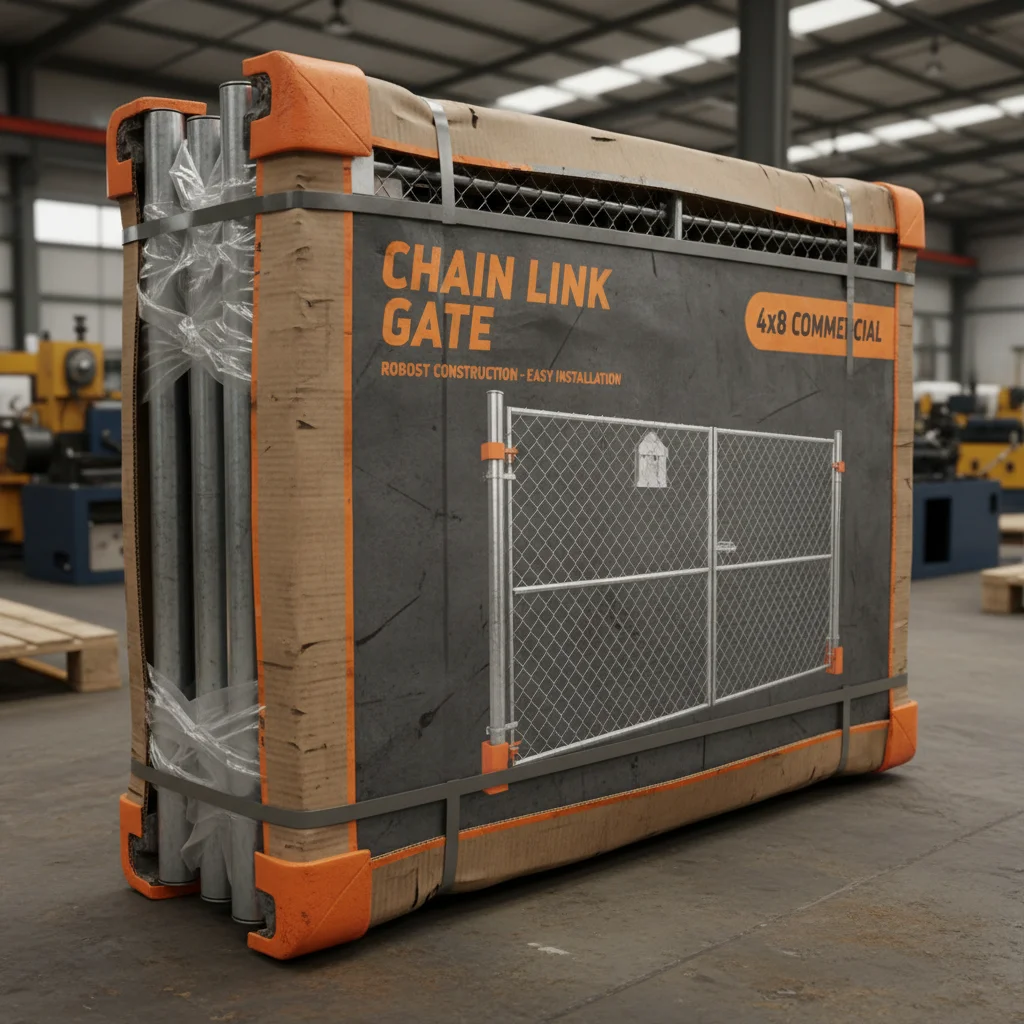
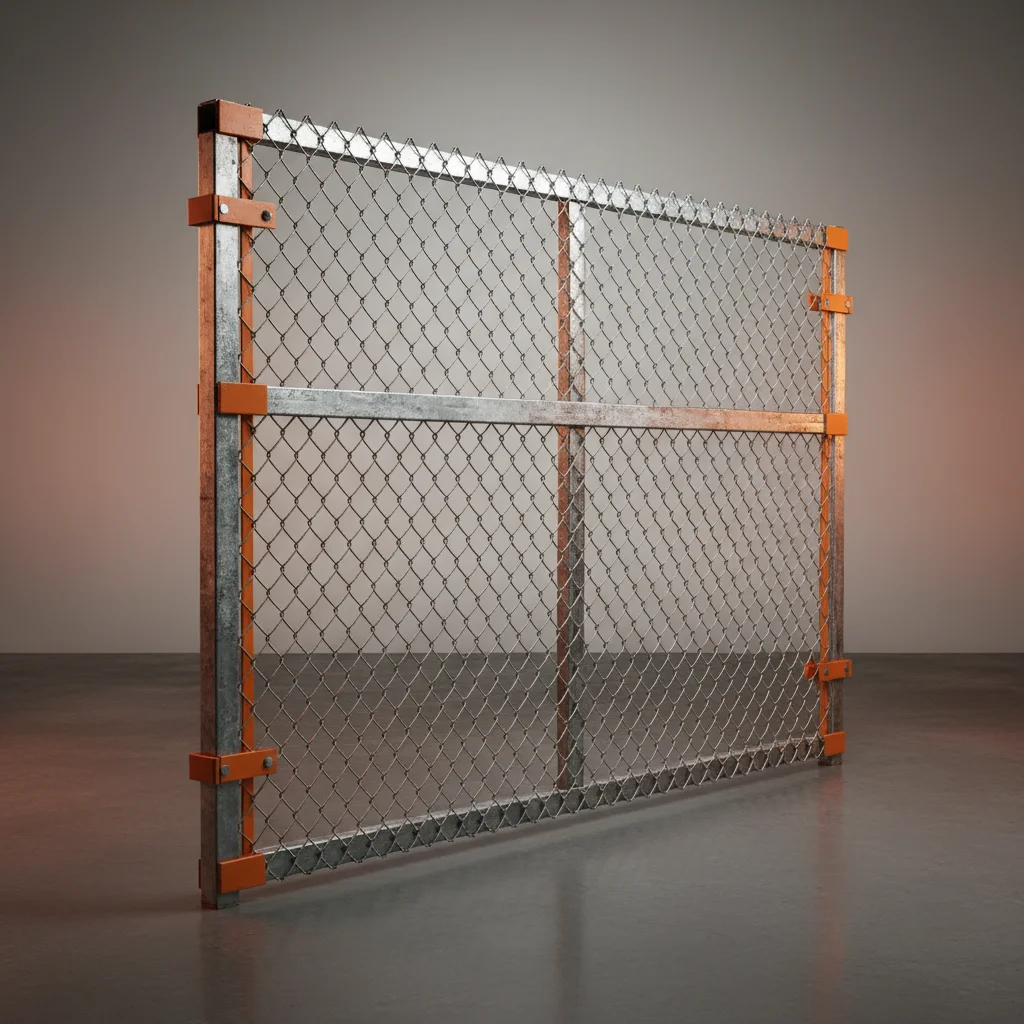
Look, I've spent twenty years on construction sites, wrestling with materials, talking shop with the engineers, and frankly, just trying to get things built on time and under budget. And one thing I can tell you is this: security is always a headache. Not just preventing theft, but controlling access, managing contractors, making sure the site's safe. A solid, reliable gate is the first line of defense, and that's where a 6 chain link gate comes in. It's not glamorous, but it’s dependable, it’s cost-effective, and it keeps things moving. You can’t build anything without managing who’s coming and going.
We’ve tried all sorts of stuff over the years – fancy card readers, complicated biometric systems. They always seem to break down at the worst possible moment, leaving us scrambling to find a temporary solution. A well-maintained 6 chain link gate doesn’t require a degree in computer science to operate. It’s about practicality. It’s about knowing it’ll be there, doing its job, day in and day out. A lot of folks overlook the simple stuff, but simple, robust solutions are often the best ones on a busy jobsite.
The biggest challenge we face isn’t the gate itself, but how it integrates with the overall site plan. You need to think about traffic flow, pedestrian access, emergency exits, and the space required to operate the gate smoothly. A cheap gate might save you money upfront, but if it causes bottlenecks or compromises safety, you'll end up paying for it in delays and potential incidents. It’s about getting the right size, the right configuration, and the right materials for the specific demands of the project.
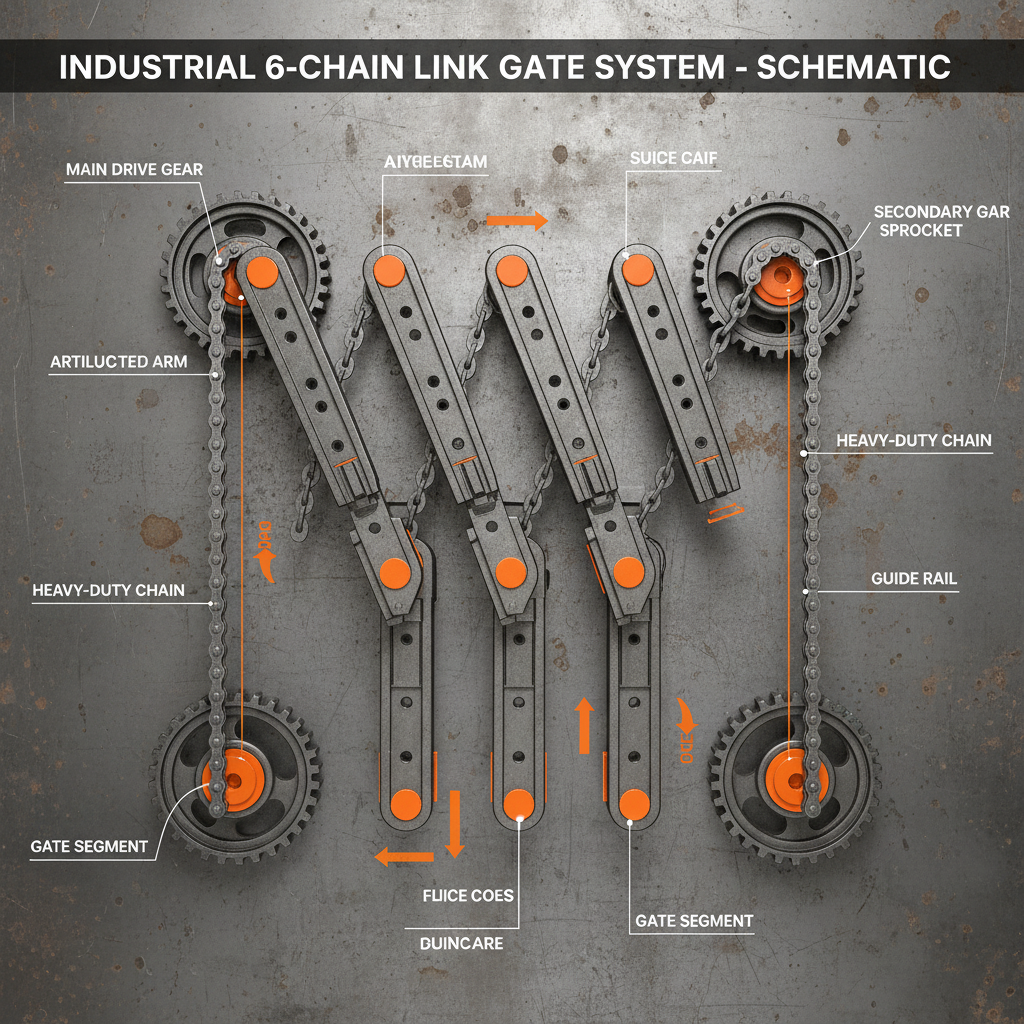
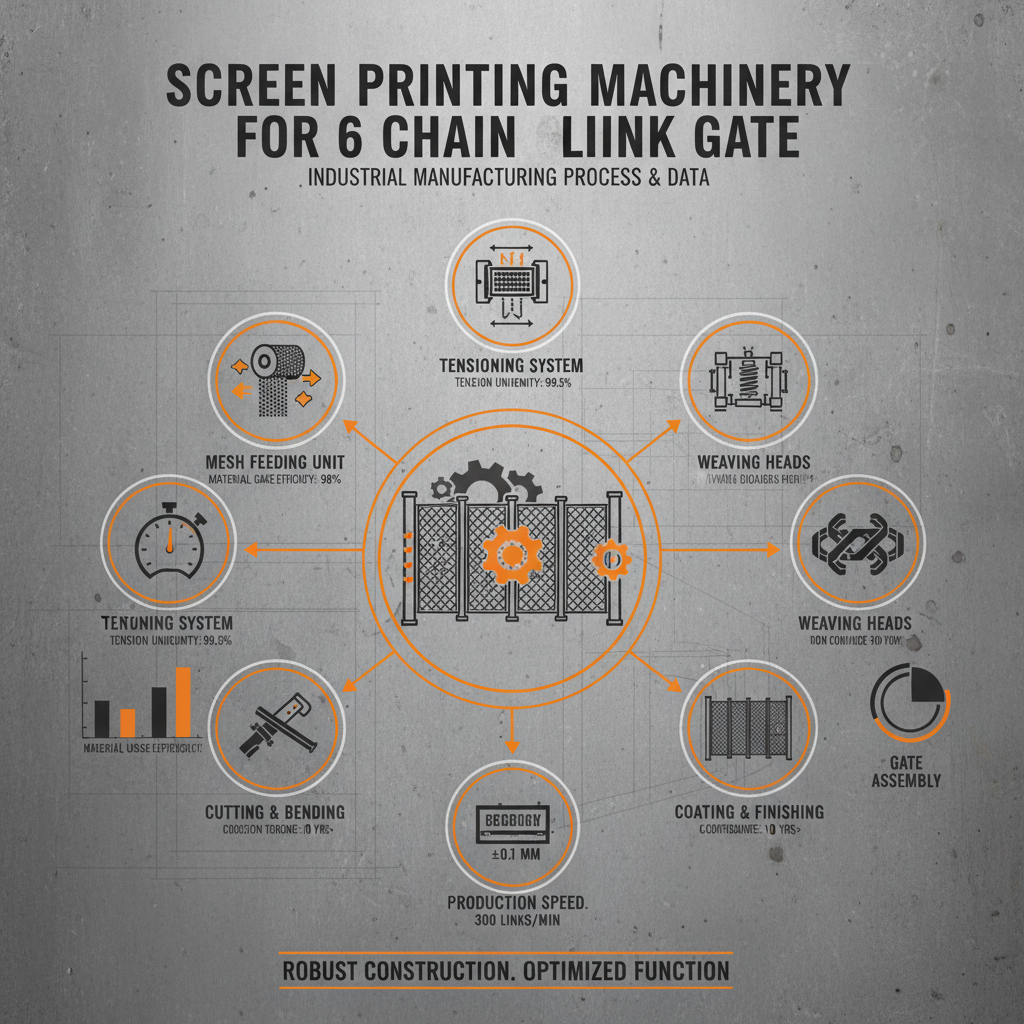
I've seen a lot of fancy security systems come and go, but a 6 chain link gate just…works. It's the workhorse of perimeter security. It doesn't need a power supply constantly, it’s resistant to most weather conditions, and it doesn't require specialized training to operate. We’re talking about sites with hundreds of workers, constant deliveries, and a whole lot of moving parts. A 6 chain link gate provides that essential level of control without adding another layer of complexity.
The height is crucial, of course. A standard 6-foot gate is often enough, but depending on the site and the value of the materials, you might need to go higher. Also, think about the gate’s opening mechanism - swing gates are simpler, but sliding gates are better if space is tight. We’ve used both, and both can be incredibly effective when installed correctly.
For high-security, you want at least a 9-gauge chain link, but 6-gauge is even better. It's thicker and much harder to cut. Pair that with heavier-duty posts and a robust locking mechanism. Don’t cheap out on this – it's the first line of defense. Think about layering security too; maybe add barbed wire to the top. It’s about making it as difficult as possible for someone to breach the perimeter.
Rust is the enemy! Galvanized steel is a good start, but even that will eventually rust, especially in coastal environments. Regular maintenance is key. Apply a rust-inhibiting primer and paint every few years. You can also use a rust converter to treat existing rust before painting. Keeping the gate clean and free of debris helps too, as does ensuring proper drainage around the gate posts.
A swing gate opens like a traditional door, while a sliding gate slides horizontally along a track. Swing gates are simpler and cheaper, but require a lot of space to operate. Sliding gates are better for tight spaces, but they're more complex to install and maintain. The choice depends on your specific site conditions. We typically choose sliding gates when space is limited, and swing gates when we’ve got plenty of room.
A good rule of thumb is to set gate posts at least one-third of their total height below ground. So, for a 6-foot post, you’d want at least 2 feet of concrete. More is always better, especially in areas with high winds or unstable soil. We always compact the soil around the post thoroughly before pouring the concrete to ensure a solid foundation. It will prevent gate post failure due to shifting ground.
You can, but I wouldn’t recommend it unless you have significant experience with fence installation. It’s easy to make mistakes that can compromise the security and stability of the gate. Proper post setting is critical, and getting the tension right on the chain link fabric requires some skill. A professional installation will ensure the gate is built to last and meets all safety standards.
It depends on the level of security you need. A standard padlock is okay for basic security, but for higher security, I recommend a hardened steel padlock with a shackle that’s resistant to cutting and picking. Combination locks are also a good option for controlling access without keys. Consider adding a lock guard to prevent the lock from being tampered with.
So, there you have it. A 6 chain link gate isn't the flashiest security solution, but it’s a reliable, cost-effective, and versatile option that continues to be a workhorse on construction sites and in a variety of other applications. It’s about understanding the fundamentals, choosing the right components, and ensuring proper installation and maintenance. It’s not about reinventing the wheel; it’s about using proven solutions effectively.
Moving forward, we'll see more integration with smart technologies and a greater emphasis on sustainability. But the core principles of a secure perimeter – strong materials, solid construction, and reliable access control – will remain the same. If you’re looking for a practical, dependable security solution, a 6 chain link gate is still one of the best investments you can make. For quality gates and expert advice, visit our website: www.cowanfences.com

If you are interested in our products, you can choose to leave your information here, and we will be in touch with you shortly.