Get in touch
Let's talk chain link. Not the fancy stuff, the workhorse. Been slingin’ fence for twenty years now, seen a lot of changes, a lot of shortcuts, and a whole lotta rust. When folks ask me about 6 chain link fence cost, they’re usually lookin’ for the cheapest way out. But I tell 'em, cheapest ain't always best. You gotta think long-term. The initial price is just the tip of the iceberg. It's about what you're actually payin’ over ten, twenty years, factoring in maintenance, repairs, and eventually, replacement. Knowing that upfront will save you headaches – and money – down the road.
I’ve seen projects go sideways because they skimped on the galvanization, used undersized posts, or didn’t properly tension the wire. Those "savings" disappear fast when the fence starts leanin’ or turns into a rusty eyesore. And believe me, a failing fence doesn’t just look bad; it's a security risk, a liability, and a pain to deal with. So, when we're talkin’ 6 chain link fence cost, it’s crucial to understand what you’re getting for your money and what corners might be cut.
The whole industry’s movin’ towards better coatings, heavier gauges, and more standardized installation practices. It’s not just about keeping the rust off; it's about durability, security, and making sure the fence does its job for as long as possible. It's a matter of building something that lasts and doesn't need constant patching. Understanding the factors driving 6 chain link fence cost – the materials, the labor, the site conditions – is what separates a good fence from a bad one.
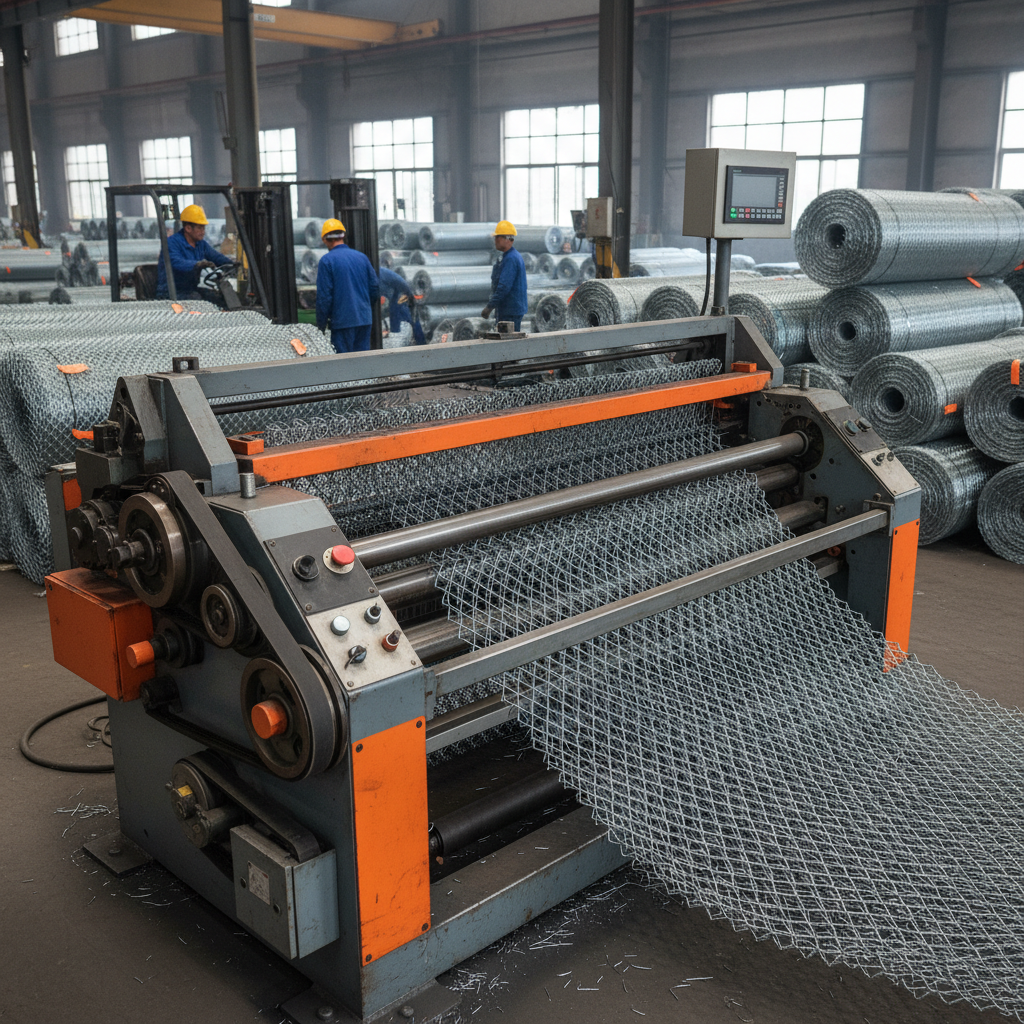
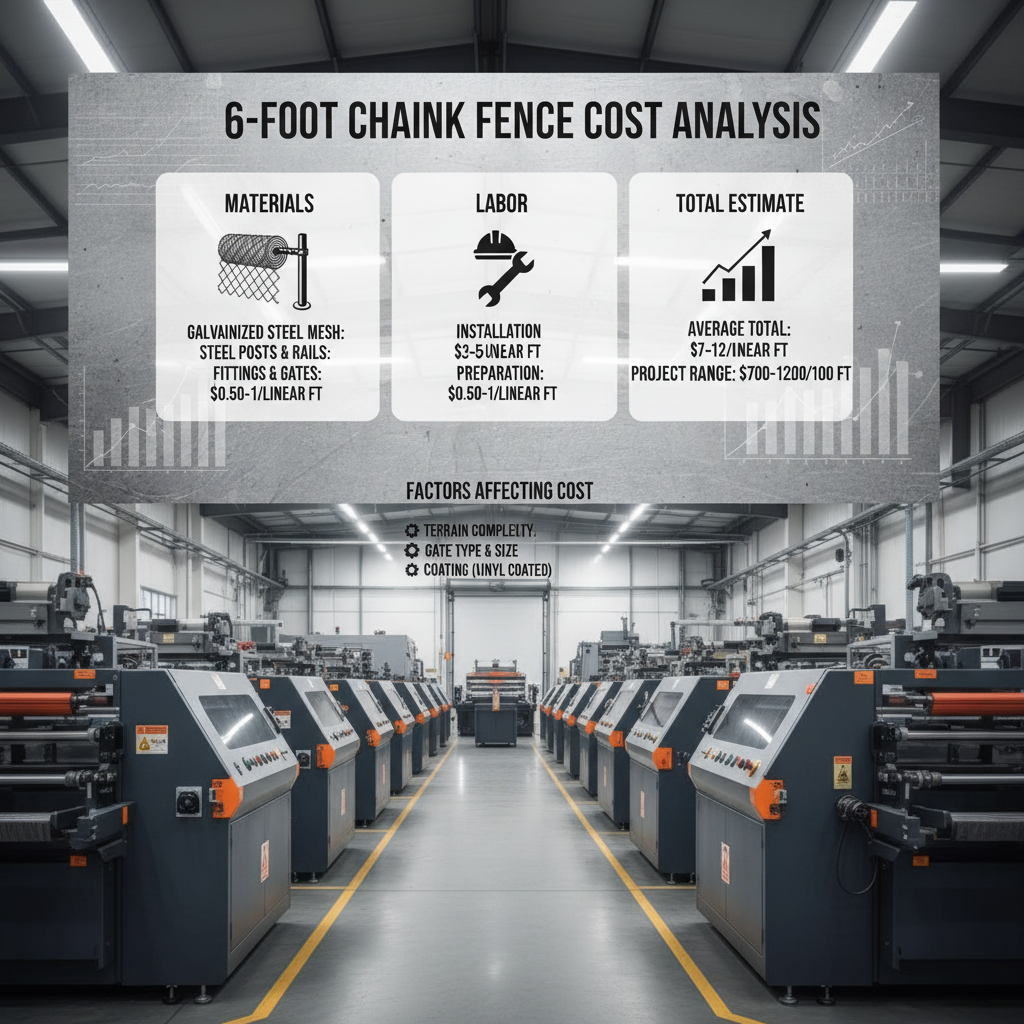
Alright, let’s break down the numbers. A 6-foot chain link fence, installed, typically runs anywhere from $15 to $30 a linear foot. That's a broad range, I know. But that's because the price depends on a whole heap of things. We’re talkin' about the gauge of the wire, the post size and spacing, the type of coating, the ground conditions, and, of course, labor costs in your area. A basic, no-frills setup will be on the lower end, while something with heavier-duty materials and more complex installation will push that price up.
Don't forget the extras. Gates, tension bands, brace bands, and even the type of tie wire all add to the total 6 chain link fence cost. And if you're dealing with rocky soil or a steep slope, expect to pay more for excavation and specialized post setting. It’s always best to get multiple quotes from reputable installers and ask for a detailed breakdown of what’s included.
If you use quality materials and a professional installation team, a 6-foot chain link fence should last at least 20-30 years. Regular maintenance, like cleaning and touching up the coating, can significantly extend its lifespan. Neglecting maintenance, particularly in harsh climates, will shorten that timeframe considerably. Ultimately, the total 6 chain link fence cost is affected by how well you care for it.
Lower gauge numbers mean thicker wire, which translates to higher cost but significantly increased durability. A 9-gauge wire is standard for most residential applications, offering a good balance of price and strength. For higher security or commercial use, a 6-gauge or even 4-gauge wire is recommended. Skimping on the gauge to save on initial 6 chain link fence cost can lead to premature failure and costly replacements.
Galvanized chain link is coated with zinc to protect against rust. It’s the more affordable option but requires periodic maintenance to prevent corrosion. Vinyl-coated chain link has a layer of PVC plastic over the galvanized steel, offering superior rust protection and a more aesthetically pleasing appearance. However, it’s more expensive upfront. Considering long-term maintenance and appearance, vinyl coating can lower the total 6 chain link fence cost over time.
Absolutely. Permits are a common hidden cost, varying by municipality. Site preparation, such as removing trees or rocks, can add to the expense. Also, factor in the cost of gates, hardware, and potential upgrades like security locks. Get a detailed quote from your installer to avoid surprises. Understanding all potential costs upfront is crucial for accurately assessing the 6 chain link fence cost.
Uneven terrain, rocky soil, and slopes all increase installation complexity and cost. More excavation, specialized post setting techniques, and potentially retaining walls may be needed. A level, easily accessible site will result in a significantly lower installation fee. Always get a site assessment from your installer to accurately determine the 6 chain link fence cost.
Get at least three quotes from reputable, licensed and insured fence installers. Provide them with detailed information about your property, including dimensions, terrain, and desired features. Ask for a breakdown of all costs, including materials, labor, permits, and any potential extras. Compare quotes carefully and don't necessarily choose the lowest bid – consider the installer's experience and reputation as well. A fair price reflects the quality of work and minimizes long-term 6 chain link fence cost.
So, there you have it. 6 chain link fence cost isn't just about the initial price tag. It’s about understanding the materials, the installation, the long-term maintenance, and the regional factors that all play a role. Investing in quality materials and professional installation will pay off in the long run, saving you money and headaches down the road. Don't be afraid to ask questions, get multiple quotes, and do your research.
Remember, a fence is a long-term investment. Taking the time to choose the right materials and installer will ensure that your fence provides security, peace of mind, and lasting value for years to come. If you’re ready to get started, or have more questions about 6 chain link fence cost, visit our website: www.cowanfences.com.

If you are interested in our products, you can choose to leave your information here, and we will be in touch with you shortly.