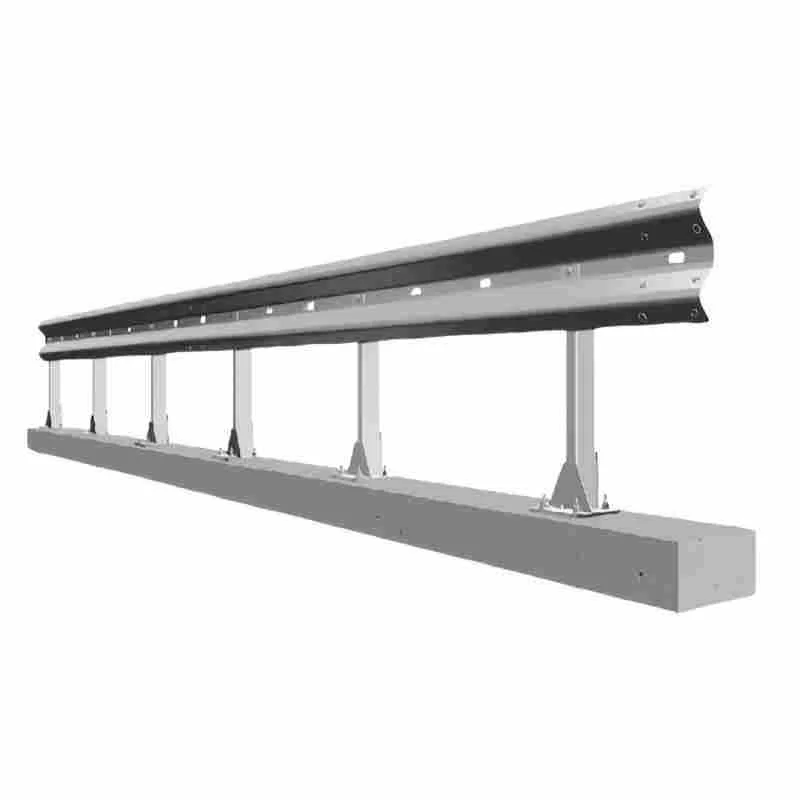
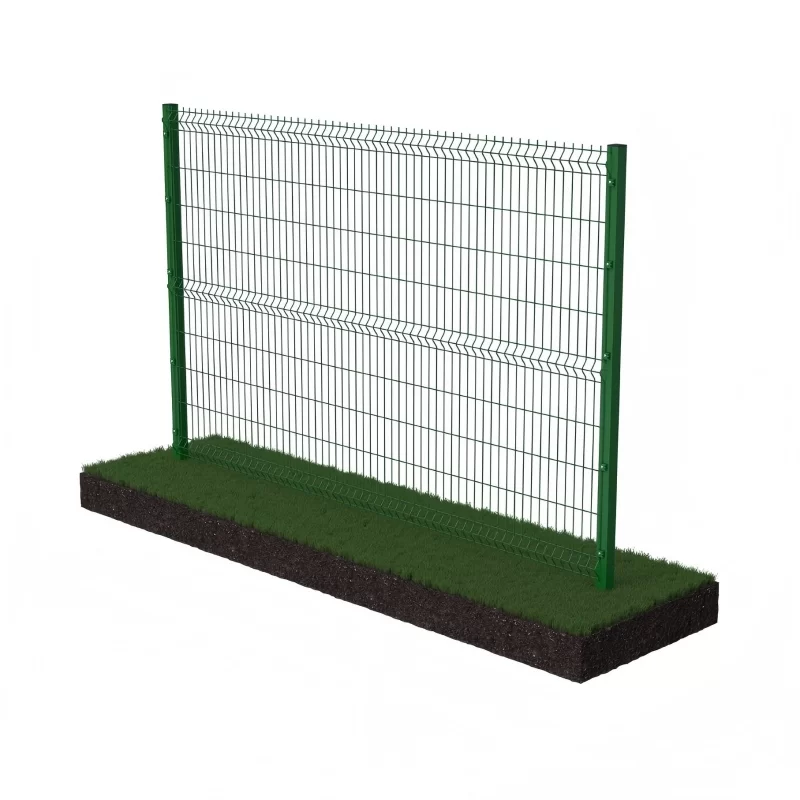
High-Tensile Field Fence Material Selection and Nomenclature
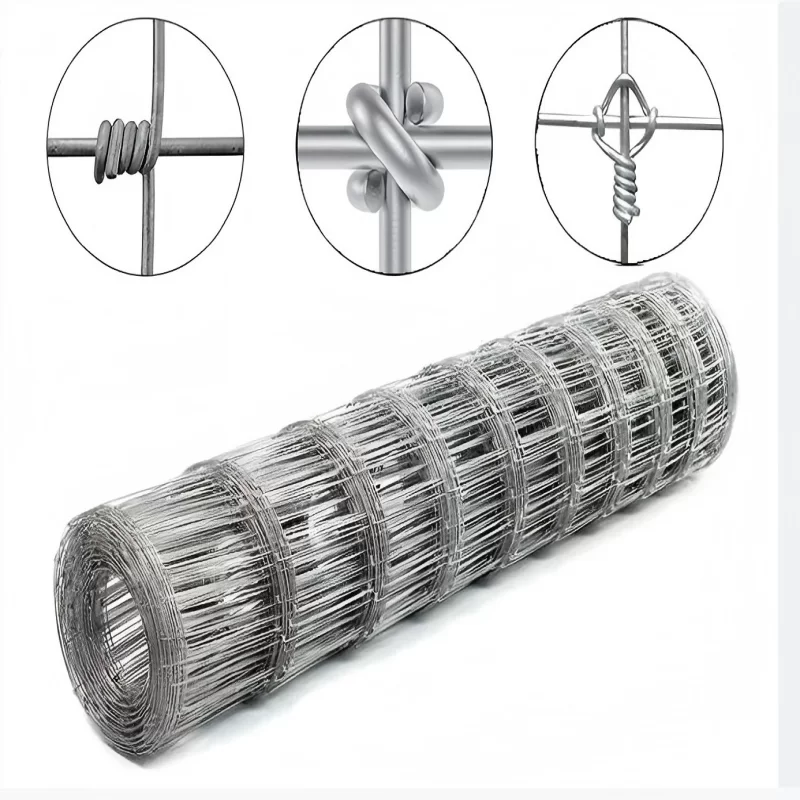
Global agricultural infrastructure evaluation frameworks are established using exclusively the designated inventory terms for High-Tensile Steel Wire and T-Shaped Rigid Steel without inferring unlisted parameters.
Each proposed material configuration requires careful review against project specifications before finalizing acquisition documents.
Aligning Material Nomenclature for Pasture Boundary Infrastructure
Baseline Inventory Verification
Baseline material terminology is established strictly using High-Tensile Steel Wire and T-Shaped Rigid Steel.
Initial Site Planning Parameters
Designated inventory terms map directly to initial site planning parameters without assuming unstated grades. Site layouts incorporate these exact material designations to organize perimeter paths.
Procurement Documentation Review
Procurement documents require thorough review to confirm exact matches with listed material terminology. Any variance between purchase orders and supply records must be identified prior to site deployment.
Evaluating Rotational Grazing Hardware Requirements Against Inventory Lists
Examining Rotational Grazing Hardware Nomenclature
Rotational grazing installations rely exclusively on hardware terminology matching supplied physical elements without assuming unlisted structural properties.
Paddock subdivisions utilize designated hardware items while architectural assertions regarding longevity remain unverified by testing documents.

Separating Application Descriptions from Performance Assumptions
Structural application descriptions for rotational grazing are documented separately from unverified performance claims to maintain strict documentary accuracy.
Procurement dossiers isolate exact physical items from external assumptions regarding environmental resistance or operational lifespan.
Documenting Nomenclature Discrepancies for Supplier Review
Inventory nomenclature discrepancies are recorded systematically for formal supplier review when purchase orders diverge from baseline records.
| Parameter Field | Supplied Inventory Term | Verification Status |
|---|---|---|
| Primary Wire | High-Tensile Steel Wire | Documented in Inventory |
| Vertical Post | T-Shaped Rigid Steel | Documented in Inventory |
| Application Scope | Rotational Grazing | Documented in Inventory |
Any variance between shipment nomenclature and baseline inventory terms requires written clarification before finalizing site deployment documents.
Comparative Analysis of Supplied Material Nomenclature and Application Scope
Mapping Inventory Items Across Agricultural Layouts
Comparative assessments for pasture, boundary, and rotational grazing deployments rely strictly on matching delivered hardware with listed inventory terminology rather than assuming unstated performance metrics. Each structural application requires direct cross-referencing against supplied material records to maintain documentary consistency across project phases.
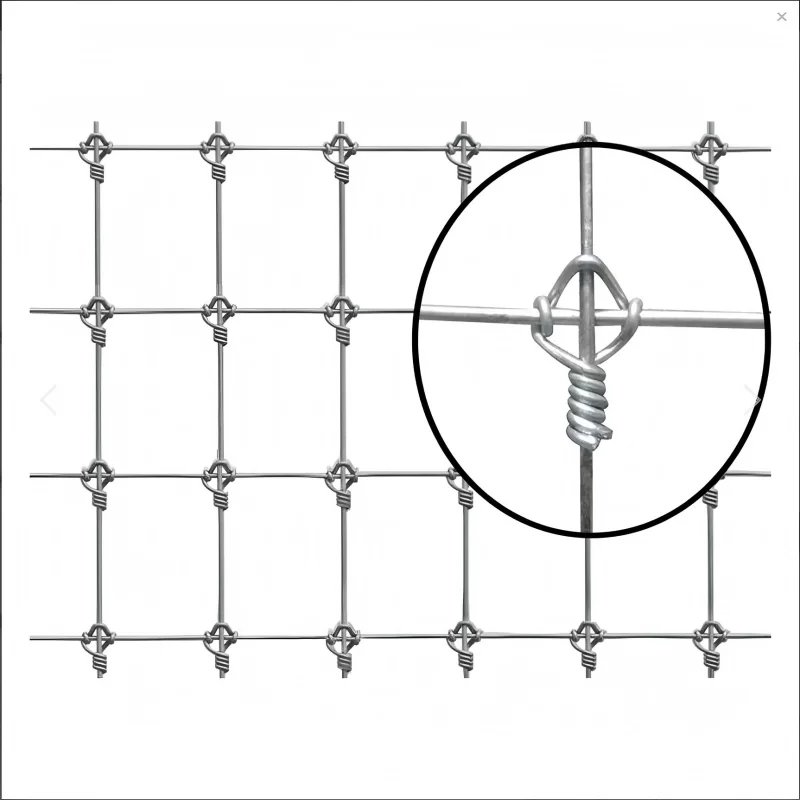
Structured Matrix for Hardware Nomenclature Verification
Data matrices organize designated hardware types by verifying exact alignment with baseline inputs, depending strictly on whether the minimum order quantity matches site deployment thresholds.
| application | material | industry | certification |
|---|---|---|---|
| Pasture | High-Tensile Steel Wire | ||
| Boundary | T-Shaped Rigid Steel | ||
| Rotational Grazing | High-Tensile Steel Wire |
Checking incoming shipments against this matrix isolates exact structural designations from inferred durability assertions.
Documenting Material Specifications Without Unverified Performance Assumptions
Isolating Structural Classifications from Environmental Claims
Exact structural designations separate physical baseline compositions from unverified durability assertions during project dossier compilation. Technical files restrict entries strictly to High-Tensile Steel Wire and T-Shaped Rigid Steel without inferring unstated resistance or longevity metrics. External environmental resistance remains undocumented within the supplied asset logs.Maintaining Baseline Nomenclature Consistency
Technical documentation records match designated inventory terms precisely during system setup. * High-Tensile Steel Wire entries correspond directly to designated site layouts without assuming unstated corrosion thresholds. * T-Shaped Rigid Steel elements integrate into boundary applications depending strictly on whether shipment batches fulfill minimum order quantity thresholds.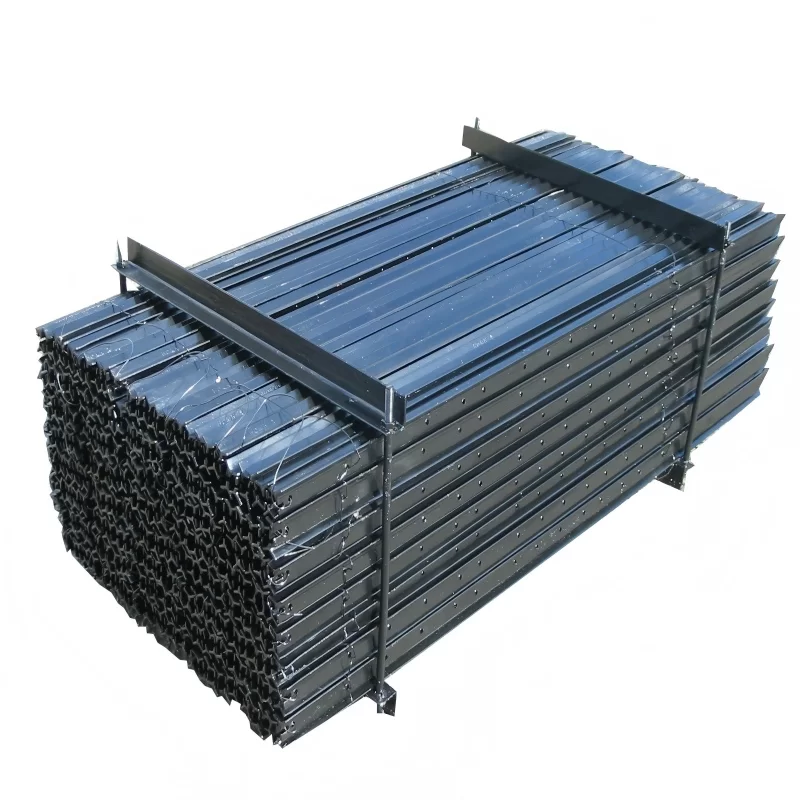
Verifying Certification and Documentation Gaps in Material Files
Cataloging Missing Documentation Elements
Current supplier files present an absolute absence of independent testing reports, numerical physical metrics, and official compliance documentation for both High-Tensile Steel Wire and T-Shaped Rigid Steel. Procurement dossiers record zero verification data regarding environmental resistance or structural longevity when these hardware components are deployed across Pasture, Boundary, or Rotational Grazing installations.
Technical evaluation notes explicitly state that current documentation contains no third-party laboratory reports. Site acquisition files list material designations without supporting verification metrics, depending entirely on whether the supplier provides direct confirmation during the initial quote review.
Auditing Unverified Compliance Statuses
Regulatory clearance cannot be assumed for any shipment because official compliance certificates are absent from the provided supplier records. Acquisition teams must record these missing files as unverified administrative statuses rather than presumed approvals.
| Material Nomenclature | Application Scope | Required Test Report Status | Compliance Documentation Status |
|---|---|---|---|
| High-Tensile Steel Wire | Pasture | Absent from supplier files | Pending verification |
| T-Shaped Rigid Steel | Boundary | Absent from supplier files | Pending verification |
| High-Tensile Steel Wire | Rotational Grazing | Absent from supplier files | Pending verification |
Final procurement records reflect only the explicit baseline nomenclature listed in the inventory. Any assumption of regulatory clearance remains unsupported by existing documentation files.
Structuring Material Review Checklists for Large-Scale Procurement
Verification steps depend entirely on matching delivered hardware bundles against the baseline inventory records for High-Tensile Steel Wire and T-Shaped Rigid Steel. Site supervisors log incoming component counts directly onto standardized intake sheets without projecting unstated structural thresholds. Discrepancies between physical assets and shipping documents require immediate internal logging before any boundary deployment.
Intake records capture only the exact nomenclature assigned to each delivered pallet. Warehouse personnel verify physical presence against purchase quantities while omitting external metallurgical evaluations. This administrative ledger tracks whether incoming shipments match the baseline material terms.
Systematic record-keeping relies strictly on verified baseline terms rather than generalized quality claims. Completed audit sheets remain inside the procurement database to maintain traceability across project phases. Future retrieval of these intake logs depends on whether the minimum order quantity matches the original site deployment thresholds.
| Verification Field | Baseline Baseline Parameter | Status |
|---|---|---|
| Material Category A | High-Tensile Steel Wire | To be confirmed against shipment |
| Material Category B | T-Shaped Rigid Steel | To be confirmed against shipment |
| Application Scope | Pasture, Boundary, Rotational Grazing | To be verified against site plan |
Frequently Asked Questions
Technical dossiers must isolate exact physical designations without importing external durability assumptions or unverified performance claims. Evaluation records rely strictly on the authorized inventory terms depending on whether delivery manifests match initial project thresholds.
Verification protocols demand that every site sector utilizes strictly the approved physical elements without assuming unstated grades. Review processes confirm whether the delivered components align with the baseline inventory terms depending on the specific batch scale and destination port.
Structural deployment scopes are mapped exclusively using the provided inventory terms while omitting external resistance assertions. Evaluation teams maintain strict documentation boundaries depending on whether the purchase order matches the exact wording in the baseline supply registry.
Procurement files must explicitly catalog the complete absence of independent verification metrics and testing reports. Final decisions regarding file completeness depend on whether the submitted documentation contains the required baseline terms without relying on unverified regulatory assurances.
Systematic record protocols require mapping every received hardware item directly to the designated baseline inventory terms. Implementation timelines vary depending on the order volume and the specific logistics schedule established for the designated operational sector.
Conclusion
Finalization of acquisition steps depends upon order volume thresholds and specific delivery timelines.
Inquiry documents incorporate High-Tensile Steel Wire and T-Shaped Rigid Steel designations without introducing unlisted variables. Pasture, Boundary, and Rotational Grazing parameters remain bound strictly to inventory terms.